Tag Archives: writing

Meeting Paula Rego – writing prompt

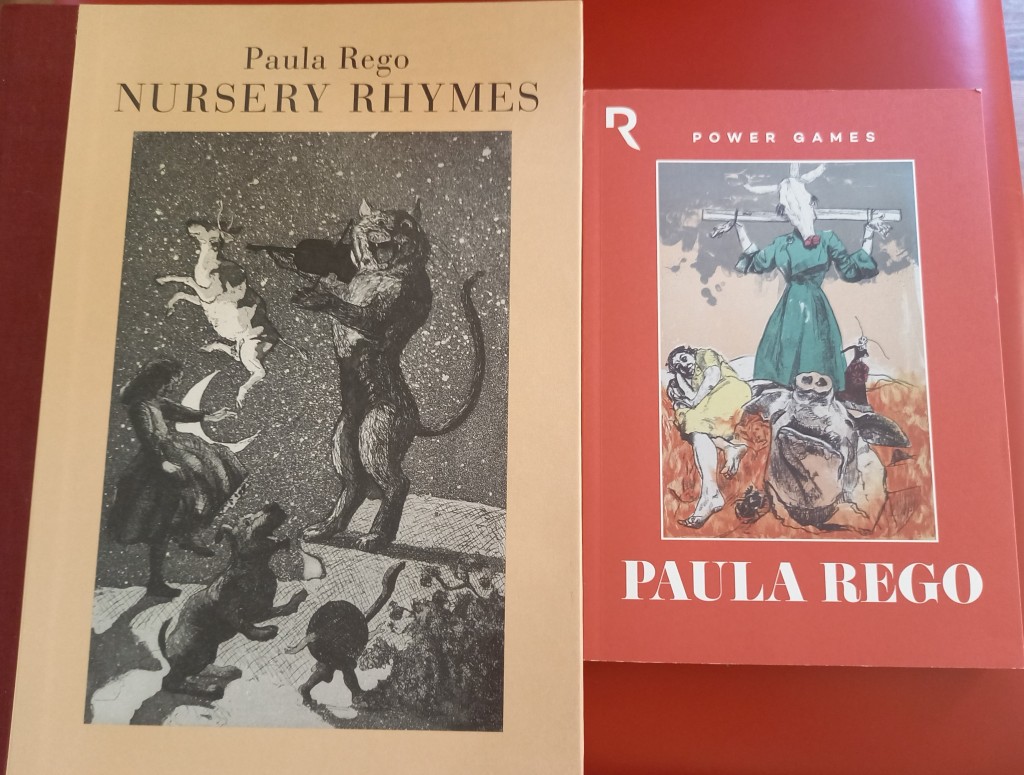
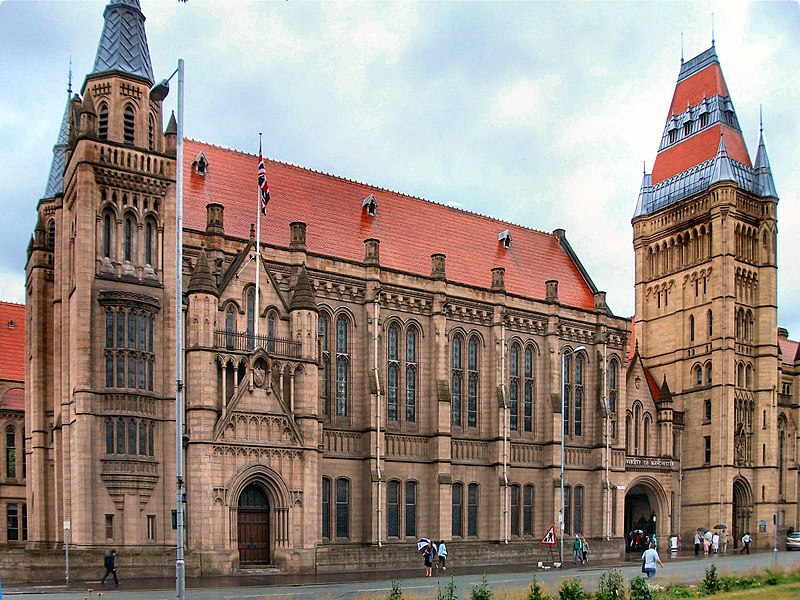
I was sad to learn of the recent death of the artist Paula Rego. Last century I saw her work at the Whitworth Museum in Manchester, UK. That’s when I bought Nursery Rhymes. In March this year I went to the first major retrospective exhibition of her work in The Netherlands – at the Kunstmuseum here in The Hague. The museum shop had copies of Power Games.


I admire her as a person and an artist. As she told it ‘art was a way to work through fear and trauma, to soothe and comfort, as well as to erase, attack, scratch out and destroy.’

Whitworth Museum, extension


After a major refurbishment the Whitworth reopened in 2015. I would have liked very much to meet Paula Rego and talk with her about life and art. This imaginary meeting is set in the new café. The poem was published in my pamphlet A Stolen Hour (Grey Hen Press, 2020).

Meeting Paula Rego at the Whitworth, Manchester

Shading her eyes with a small black fan
she looks distressed and even out of place.
Ash trees cast a greenish shadow on her face.
To me she seems older now, frailer than
in the short winter days of that other year when
the quiet ghost of a drowned baby played
with black hen, spiders, women who prayed
for open roads, escape, a private den.

There was a boating lake once in the park.
We wait for panini, service is slow.
Café in the trees, I say, canopy.
Her earrings sparkle, her eyes are still dark.
It’s from the Greek; “konops” means mosquito.
Paula’s face lights up; her imagination set free.

Congratulations!


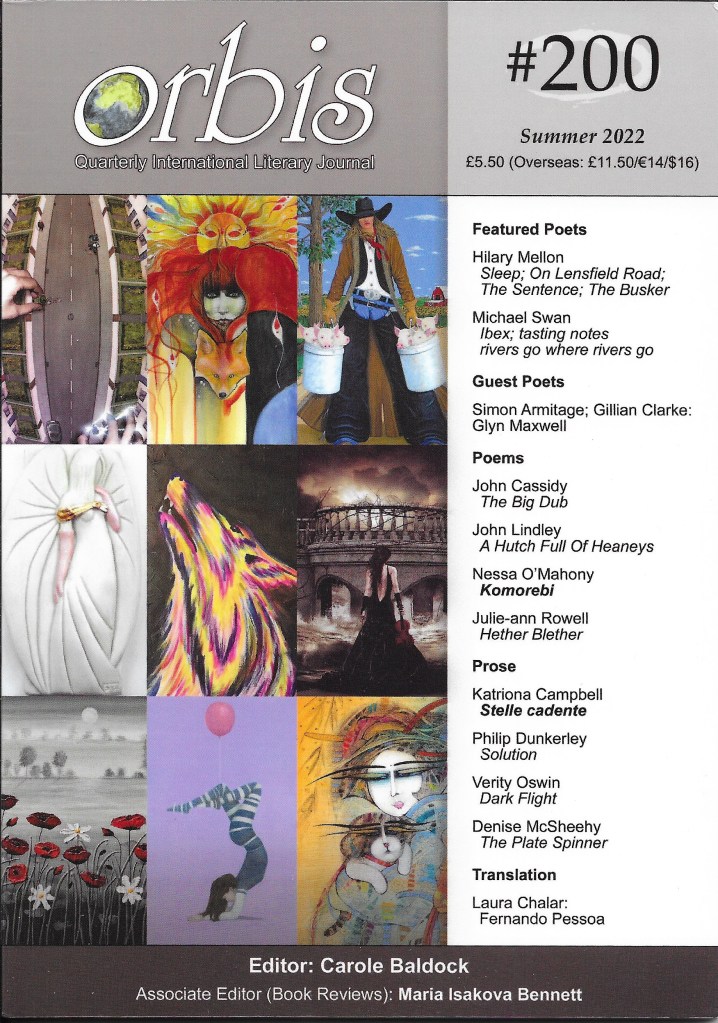
Congratulations to Orbis Quarterly International Literary Journal and Editor Carole Baldock. The 200th issue has just arrived. It is a bumper bundle and I look forward to getting stuck in.


Orbis is not just a poetry magazine, it is an international community of poets: each issue carries Lines on lines – brief communications from readers and I particularly like the Readers’ Award. Each issue readers can nominate up to four contributors whose work most appeals. A sum of money goes to the poem(s) that get the most votes and a similar amount is split between the runners-up. I find that I read each poem or prose piece with more attention – to have a rationale for my choices and votes.

I appreciate that my work has been featured in orbis three times. Below are two poems which featured most recently.

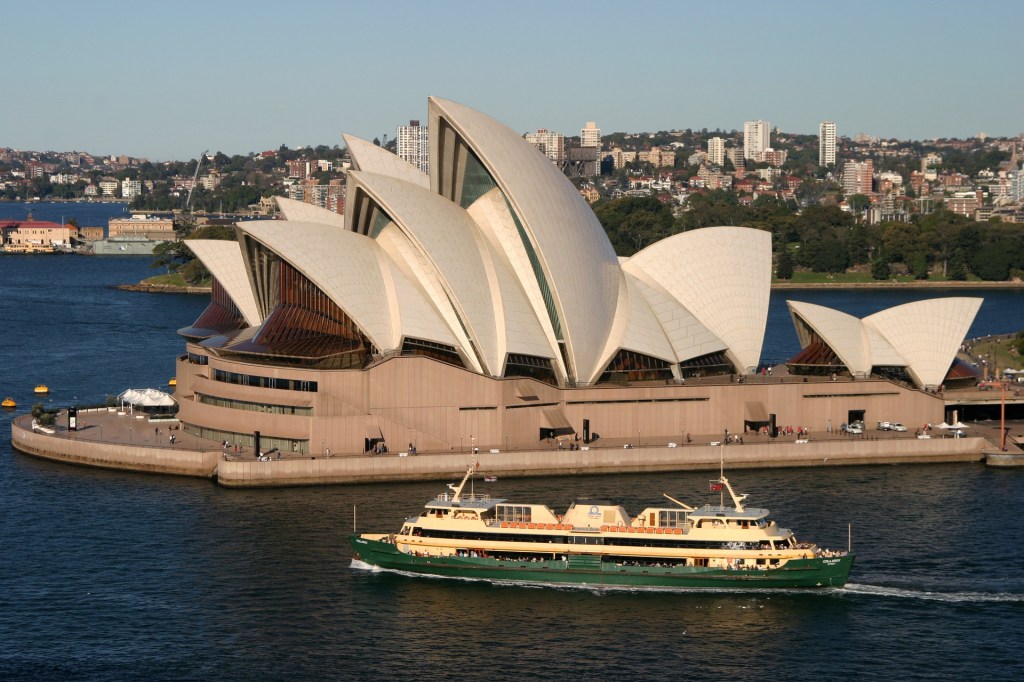
Credit: Steven Hill via Pixabay

The fire in Sydney

We’ve been out in the harbour
to get our Lifeboat Certificate.
The only woman, too feeble to row,
I had to steer the lifeboat
alongside SS Oronsay. First time
I didn’t manage to line it up.
Passengers lean over the railings,
watch us circle for a second attempt.

A fire on board has cut the electricity.
Our lifeboat cannot be winched back up.
The small, wizened Australian examiner
stares straight ahead. A passing ferry hoots.
From the galley portholes drifts
the smell of freshly baked bread.
The ferry hoots again. We dare not wave.
We don’t know yet if we’ve passed.

The last dogs

are running along the flood line.
Visitors are leaving for home, vacating the boarding houses; hotels.
A few people sit outside their huts: Parnassia, Shangri-La, Paradise;
grand names for a row of painted wooden boxes
which will be taken apart, then taken away at the end of the season.
The last dogs of the day are running along the flood line.
Gulls are scattering. It’s still warm. Somebody is singing a Beatles song.

27 June, the day after her birthday

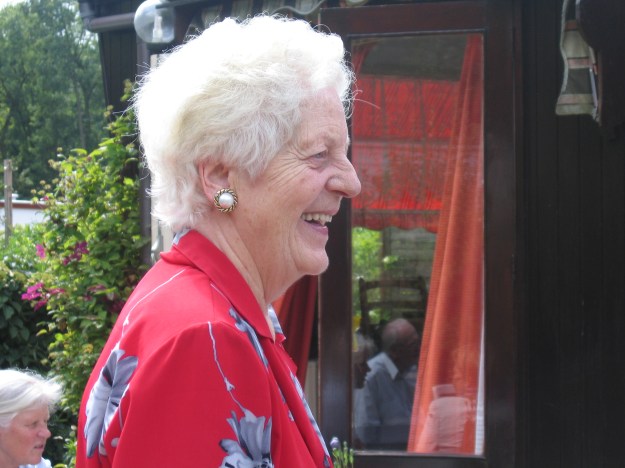
Today would have been my mother’s birthday. The photo was taken at my 60th birthday party which I celebrated in the garden of my friend’s caravan – the one I was to inherit just three years later.

The poem describes a time when my mother was still living independently. As I lived in England, the opportunities to help were limited. I happened to be over in the Netherlands.

27 June, the day after her birthday

I’d left a note on her bedside table
Don’t eat, don’t drink when you wake up.
We walk arm in arm, it’s warm already.
The doctor lives two houses down.
A blue Scandinavian cotton dress,
chunky necklace and earrings to match.
My mother does not look eighty-one.

That blood test done, we sit and face him.
Slightly raised, but no need to worry.
How are you keeping he asks my mother
who smiles, puts on her usual pose, I’m fine,
while I shake my head silently.

She’s leafing through her diary.
It says, Doctor, 8 o’clock.
We’ve been, now it’s time for coffee.
I want to go upstairs to pack.
Before you go, just one question
The matt-green door frame cuts the scene.
I wave, but she frowns at her diary.

Lemonade in the Armenian Quarter

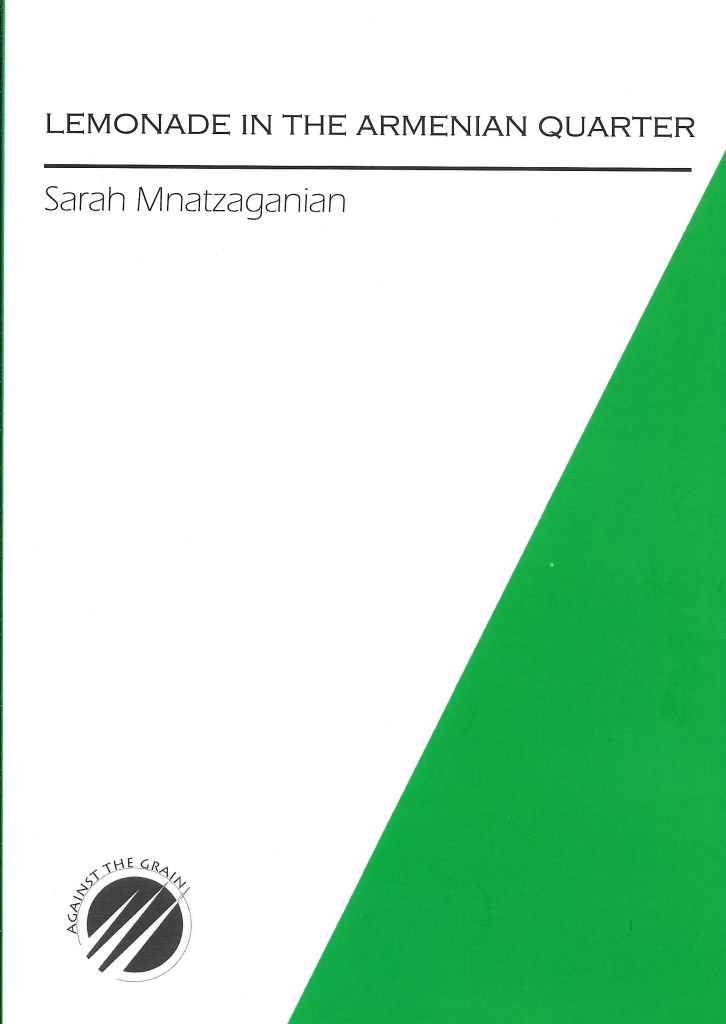
This month’s guest poet is Sarah Mnatzaganian. We first met on a Poetry Business residential workshop a few years ago. Sarah is an Anglo Armenian poet based in Ely, UK. She grew up in rural Wiltshire and in her late teens spent each summer with her father’s family in the Armenian Quarter of Jerusalem.

Her debut pamphlet, Lemonade in the Armenian Quarter, is published by Against the Grain Press. Sarah’s work has appeared in The North, The Rialto, Poetry News, Poetry Wales, Poetry Salzburg Review, Magma, Pennine Platform, London Grip, Atrium, and many anthologies. She was a winner in the Poetry Society’s winter 2020 members’ competition on the theme of ‘Youth’ and won the inaugural Spelt nature poetry competition in 2021.

In the 2022 Saboteur Awards Sarah’s debut with its ‘wonderfully moving poems’ gained the award for Best Poetry Pamphlet.

Lemonade in the Armenian Quarter

Uncle Hagop planted lemon trees outside his house
where small passionate tortoises collide each spring
with the hollow pock of a distant tennis match.

At night his ripest lemons dropped into a crackle
of leaves. He grunted through the cardamom-coffee kitchen
into the courtyard to fill his hands with fruit.

Auntie soothed the juice with syrup and iced water.
Uncle drank, clacked his tongue and sang, My Heart
Will Go On, his head thrown back like a songbird.

The lemons lay thick last February. My sister filled a bag
for Uncle. She put a smooth yellow oval into his hand
and helped him lift it to his face to smell the zest.

Dad asked the nurse for sugar and a knife. He cut,
squeezed, stirred. See, Hagop, I’m making lemonade
from your trees. Watched his brother smile, sip, sleep.

Egg Time

To my mother, Madeleine

Give me an egg, round as childhood.
I’ll tap its innocent shell; push sideways
through its Humpty Dumpty head to find
a core of molten gold or the dry pollen
of a hardened heart. May this teaspoon
teach my tongue the taste of lunch hour
on a school day when I’m six, hugging
the bump under mum’s dungarees.
How did the morning go? Watching her
butter home-made bread. Reading aloud
while the baby kicks. Back down the lane
for the lonely end of playtime, her love
like albumen around my ears and in
my eyes. Voices water-slow. Whistle
blown from the other side of the world.

Juice

To my father, Apraham

Every time I set spade against turf,
you’re there, cutting grass-topped cliffs
into our borders, neat as the Normandy coast.

You snatch sweat from your face
and ask for Lemon, half a lemon,
squeezed, with water please, darling,
it quenches the thirst.

I silently sing each syllable to myself
in your voice, like no other voice,
licking the ‘l’ in half almost as long as in lemon,
expressing the juice of each word with your verve,
crushing the fruit’s face into ridged glass
and clouding cold water with the sharpness you crave.
Each sucked finger stings.

Now I want to watch your dark throat dance
while you drink.

At the end of my suffering / there was a door

Have you ever hated anyone enough
to ask an iris leaf to turn into a sword
sharp as the new moon, cold as a snowdrop,
irresistible as spring grass growing disorderly,
before it’s mown to match the wishes of one
demanding pair of eyes? Don’t lose focus.

Take one, narrow, curved iris leaf and hold it up.
If the heart you want to penetrate is hard enough
to steal a country and the lives from its people;
if that heart won’t learn the wisdom of the iris,
the snowdrop and the moon – that life is mutable –
then that heart will feel the leaf turn to steel
and, to grant your wish, will stop beating.

The iris will flower blue and yellow, as it should,
for the people returning to their country,
as they should, and there will be no blood
on your hands.

The title is a quotation from The Wild Iris by Louise Glück.

Whistling for Stalin – poem

This w/end my poet friend Kathleen Kummer will be celebrating her 94th birthday. We first met 20 years ago on a writing week held near Cambridge. Kathleen lived and worked in The Netherlands after marrying a Dutchman.

To mark her special day, I’m posting a poem from her debut collection Living below sea level, published by Oversteps Books. The poem first appeared in the original 14 magazine, edited by Mike Loveday.

Whistling for Stalin

Circus performer summoned to the dacha,
you arrived empty-handed, no sign of the treasure
at the tip of your tongue. The signal was given,
you pursed your lips, made them a channel,
floated a tune on a cushion of air,
like a bird in a cage, lusciously trilling.
They sat around in their white, belted tunics,
he and his henchmen, legs stretched out rigid,
but ready to jack-knife to a Georgian folk song.

Did your whistling enliven the poker-face,
make it genial? When he clicked his fingers,
your tune slid back into its voice-box.
How much did you know about Uncle Joe?
When you whistle, you’re bound to sound carefree.

Games – poem

On a rainy Bank Holiday Sunday it’s good to be reminded of old poems and successes. Poems that are accepted for publication disappear into the folder ‘Published’ and into books and magazines that sit together on a shelf. Out of sight, out of mind…


For many years through the 90’s I kept this green A4 certificate with the impressive signatures in a clip frame at the bottom of the staircase. It was a daily reminder that I could write through what was a dark period in my life.

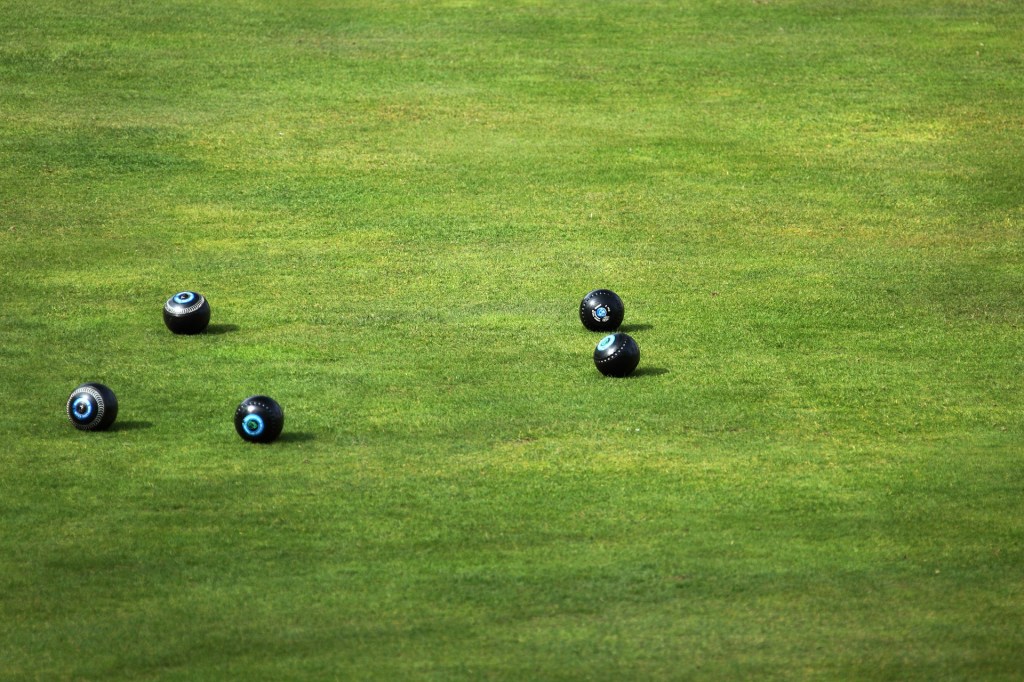
Credit: Public Domain via Pixabay

Games

I watched the old men in the park today
playing bowls, much the same as yesterday.
Smiles all around and gentle teasing by the winners.

I wondered whether at their age
you would have needed stick or hearing aid.
If your hair would turn to yellow-white or grey.

You never tried your hands at bowls, did you?
An old man’s game you called it.
Surely, much more fun than kicking up the daisies?

Tree frog – haiku

Credit: David Dixon

Manchester Museum, part of the Victoria University of Manchester is closed for a 15 million redevelopment. It will open February 2023. Part of the Museum is the Vivarium, home to some of the most critically endangered neotropical species. Some years ago, a good friend became a sponsor and, by way of thank-you, she was invited to bring someone along for a ‘behind the scenes’ visit to the Vivarium.

Credit: Katja via Pixabay


The Department is a key player in the education about, and conservation of such beautiful creatures as the Lemur Leaf Frog, Yellow-eyed Leaf Frog, and the Splendid Leaf Frog. It was thrilling to have the small creature sit quietly in the palm of my hand.

Tree frog

Here is the coolness of its orange feet
splayed onto my hand. The slow bulge
of its breathing throat. Two unblinking eyes
the colour of black Morello cherries.

Tomatoes – poem

Credit: Couleur via Pixabay

Fruit & veg, toms, salad, mayo, salmon, ½ loaf … I’ve not yet managed to write a shopping list in Dutch even when the words are shorter (sla) or similar abbreviations (gr & fruit). It’s too much hard work late on a Thursday evening when I’m sitting with a glass of wine (wijn) and contemplating the moving project: flooring, top-down & bottom-up blinds, two chairs – ordered; research on fridge/freezers needed, also a new GP practice and pharmacist.

Here in the Netherlands the distance is important: the GP must be able to get to your home within 10 minutes. That doesn’t mean it’s easy to register. In Scheveningen (where I spent the winter) three practices did not take on new patients or had a four-month’ waiting list. A tomato a day may keep the doctor away …

Tomatoes

I am stepping away from my life,
my life as short as a haiku.
I have turned biographer,
am writing vignettes,
pale green, the length of celery.

My vignettes may concern
elderly mules with dental decay,
the struggle to remember
maternal aunts. I am numbering
my vignettes 1A, 1B, 1C, 1D –
narrow seats in the small airplane
Aer Lingus would use
on the late Saturday flight.

I could write a vignette
about the plastic dummies
they use in ambulance training.
Today I’m going to focus on pretend
tomatoes. My invisible friend
has started her new diet.

Laughter – poem

Credit: Mike Goad via Pixabay


On Tuesday evening my local Stanza poetry group held it first ‘live’ meeting since the start of the pandemic. It was a hybrid session which worked very well: some poets in the station bar of Stalybridge station, some of us at home in the UK and abroad. I was pleased that I could take part. I have also joined the Groningen Stanza here in The Netherlands which alternates live and Zoom meetings.

I saw fresh rhubarb at the supermarket yesterday which reminded me of another group I used to belong to in Manchester. My third poetry book is dedicated to Elaine, Hannah and Jackie; here is a poem written in a back garden in Chorlton-cum-Hardy, Manchester.

Laughter


The laughter swaying across the lettuce,
strong knotted rope in the old Bramley tree.
A grandmother sits quietly in a wooden chair;
she counts knitting patterns in her head.

The dappled shade is a cool alleyway
between her life and her daughter’s world.
Laughter slides away from them, low
down across the grass; it hides
between the rhubarb and redcurrant bushes,
waiting until night time for the moles
to come up and breathe into it.
Yesterday’s laughter a small pile of earth.

(published in Another life, Oversteps Books, 2016).

Trying – writing prompt

Madingley Hall, near Cambridge

Yesterday I talked with friends about Cambridge. That brought back memories of a one-week workshop at Madingley Hall with the poet Lawrence Sail. Madingley Hall is a 16th Century building just a few miles from Cambridge. It is set in seven acres of splendid gardens and grounds, designed by the famous Capability Brown in the 18th Century.The weather was good the week I was there and we would all find a quiet corner outside and get writing.

Credit: Pasja1000 via Pixabay

Writing prompt

One of the exercises was about personification. We mentally went through the alphabet and stopped at a letter that resonated with us. What kind of life does that letter have? What do they want and what is difficult for them?

The poem Trying was published in my debut Another life (Oversteps Books Ltd, 2016).

Trying

Trying not to be like
one who has gone before.
Allocated a slot
at the back of the queue:
a circle dancer with a club foot.

Striving to become
the symbol of perfection.
Dragging a tail,
leaving tiny furrows
on the rough terrain.

Trying then to hide
in foreign places.
Archaic words spoken with a twang:
Qua, quorum, quota, quasi.

A cold place they tell me.
Quebec.