Category Archives: Poetry

A decade of blogging: poets and their poems

Celebrating a decade of blogging: 4 published poetry books (3 collections, 1 pamphlet), a Northern Writers’ Award; 360 blog posts, 117,508 words, including 89 guest poets; 52,500 views (increasing from 1,314 in 2016 to 9,600 so far in 2026); 33,900 visitors, 4000 likes. All that without AI…


I was delighted when Oversteps Books decided to consider Another life for publication. It was competitive: no guarantee they’d pick my manuscript.

Anxiety took over. ‘I need a website; I need to look like a serious poet’.

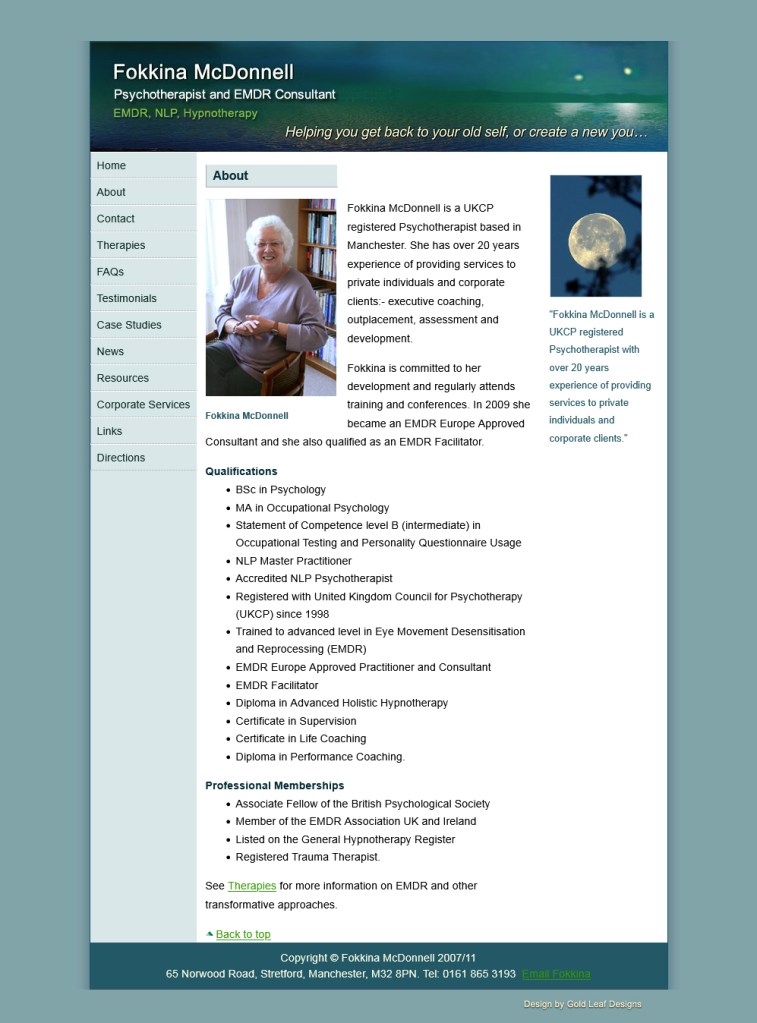
Fortunately, I already had a webmaster. Sophie Brown had designed the website for my consultancy and psychotherapy practice nine years earlier and helped me to keep it going.

Both of us are creatives with a business/consultancy side – so, we’re often on the same wavelength. Over a busy Easter weekend, Sophie and I finalised the website for acaciapublications.co.uk together in 2016. An obsessive search for just the right picture of a giraffe…

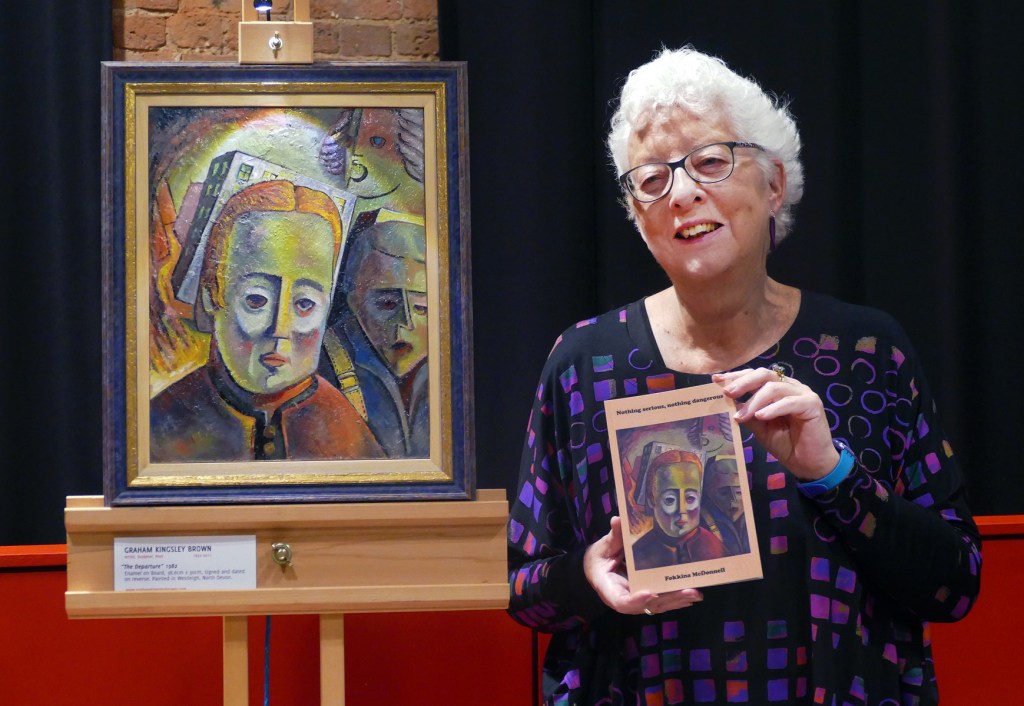
Just before the Covid lockdown, Sophie was at the launch for my second collection Nothing serious, nothing dangerous. The cover is the painting The Departure by Sophie’s late father.

Book Launch of “Nothing serious, nothing dangerous with painting “The Departure” copyright Sophie Brown 2026

I am grateful to our mutual friend H. for making the introduction all those years ago. A couple of times each year I still check in with Sophie: for technical advice and to explore if the website still fits with my current goals.

A huge ‘Thank you’ to Sophie, who deserves the limelight today.

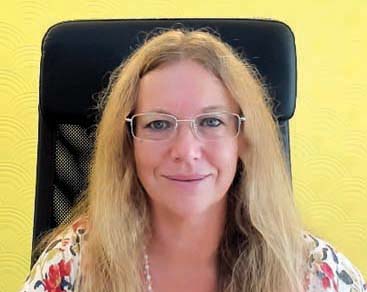
Sophie Brown

I did design the visual style and infrastructure for the acacia publications site, and we’ve had many conversations about its purpose and dealt with technical issues. However, all the hard work – writing content over the decade, persistently creating regular blogs, meeting people, inviting guests, editing the site – is, of course Fokkina’s. Something to celebrate indeed!

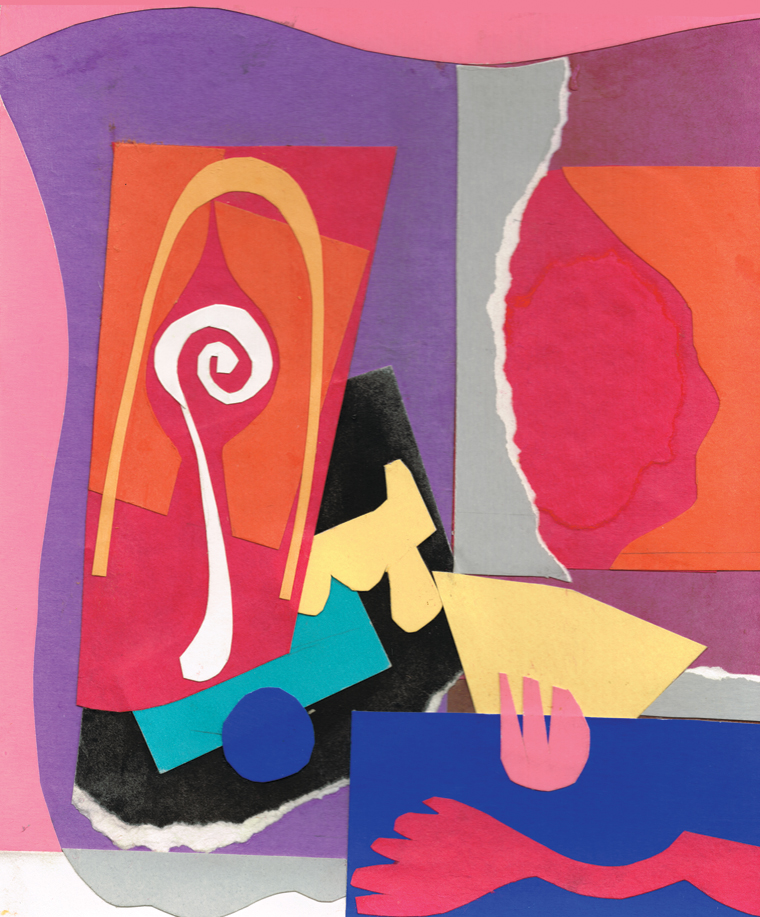
Pygmalion – cutout paper on mountboard by Graham Kingsley Brown, Copyright Sophie Brown 2026

I was fortunate to inherit a proclivity for creative thinking, a good eye for design and practical art skills from my artist father Graham Kingsley Brown, whose varied work in painting, sculpture, design and poetry I have had the pleasure to bring to light in recent years at https://www.grahamkingsleybrown.co.uk.

Professional life
This innate impulse took me on an evolving path through art history, painting and design, to becoming a professional Landscape Architect designing landscapes, and from there to developing skills in “thinking”, whilst being Creative Director for The Edward de Bono Foundation UK. That led to co-founding Company of Mind with Adrian West in 2010, where I design thinking programmes, with graphics and techniques for the “canvas of the mind”. We’ve facilitated thousands of people to work together using systematic techniques to shift perception in order to successfully come up with new ideas and strategies.

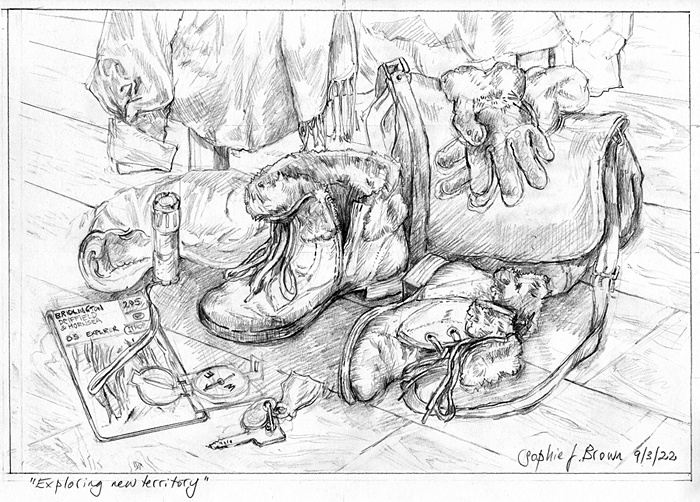
“Exploring new territory” – pencil drawing on paper, © Copyright Sophie Brown 2026

Moving to the East Yorkshire coast from urban Manchester 5 years ago has brought a new lease of life with different conditions, as moving to the Netherlands has done for Fokkina.

Each day, year, decade brings the opportunity to explore fresh inner and outer territory in our chosen means of expression. What is crucial, as Fokkina has demonstrated, is a consistent practice paired with a responsive approach.

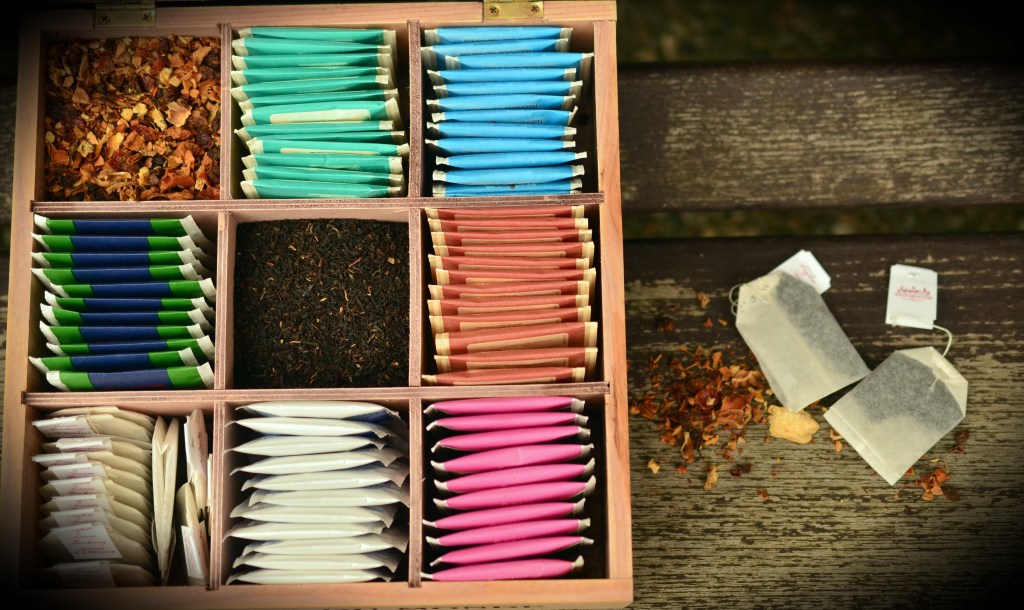
Poem: Staff beckon us over during the tea break

credit: Congerdesign via Pixabay

This is my anniversary poem, written many years ago.

Staff beckon us over during the tea break

A pleasant hotel outside Bath, ample parking.
The co-trainer and I hired hands, delivering
a course we didn’t write. A tight schedule.

Two compulsory days on soft skills
for the Revenue or the MOD.

Participants stand, munch biscuits.
The deputy manager half-whispers.
Advises us not to let people go unprepared

into their bedrooms, be shocked by
these images, the live reports.

It is early September, still warm.
When at 5:30 we say there’s bad news,
most think the Queen Mother has died.

Notional Ekphrasis – writing prompt

credit: Nathanjhilton via Pexels – The Lowry, Salford, UK

I’ve just booked a workshop that Cath Drake has organised. She gets top-notch poets and authors. Paul Hetherington is a distinguished scholar and poet. He has published 19 full-length collections of poetry and prose poetry. He has won or been nominated for over 50 national and international awards and competitions.

I have done Zoom workshops with Paul before and am excited at the chance to experiment more with what John Holland calls ‘notional ekphrasis’ – poetry describing artwork that ‘doesn’t exist except in poetry’s own fiction’. Some famous writing, of course, describes art that doesn’t exist, as in Keats’ Ode on a Grecian Urn and Homer’s account of Achilles’ shield in the Iliad.

Here is an early example I wrote. It was commended in the 14th Ware Open Poetry Competition, 2012, and published in the anthology.

credit: Couleur, via Pixabay

Still casting a shadow

Two unused scratch cards, with the faintest whiff of orange. Found on the floor of the Lowry, Salford after a performance of The Love for Three Oranges by Opera North.
Purchased on eBay and donated by J Smith Esq.

*

Patina and Pathos. Today’s lecture has been cancelled due (rest of notice torn off)

*

Scale drawings and recipe for three-tiered wedding cake: SEX, three wedding cakes in the shape of capital letters S, E and X, with red, white and blue marzipan. Decorated with 24 small edible doves and placed in a French sleigh bed made of walnut.

*

Spot the difference competition. Place your feet on the white X on the gallery floor for the best vantage point. Spot the differences between the wax model of an attendant and the live guard (seated). Put your form in the box.

*

Bronze box, still casting a shadow, with burnished lid, bronze hinges and clasp, key missing. Age of box indeterminate, size varies daily depending on the swelling and shrinking of contents.

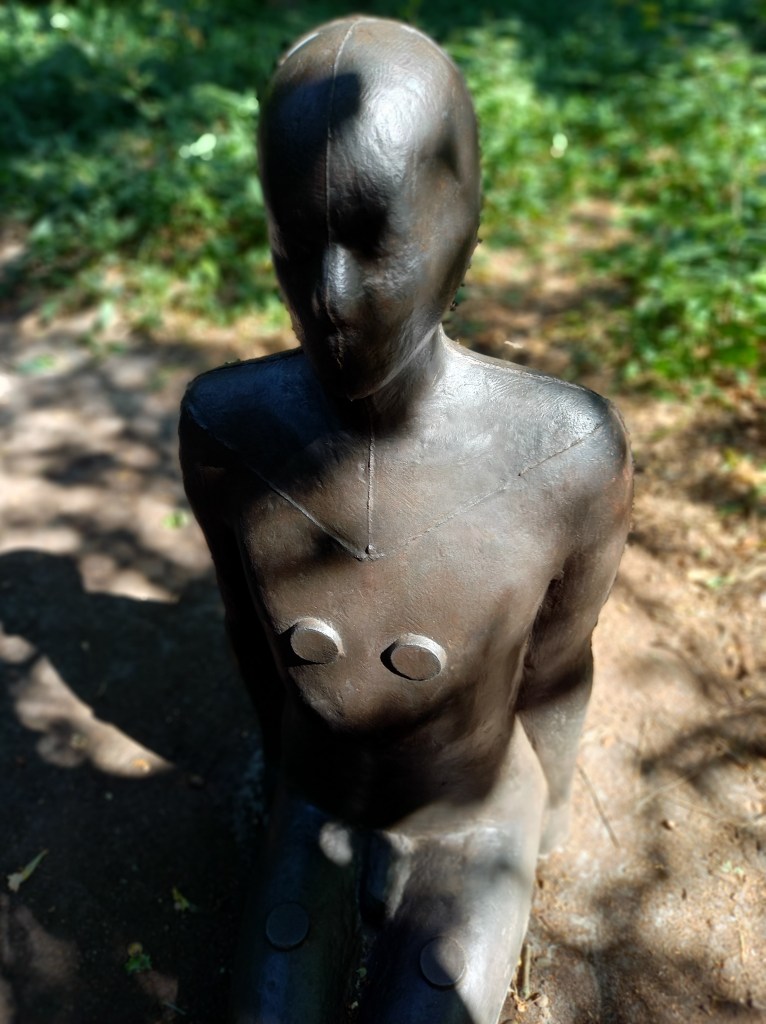
own photo: Anthony Gormley, Ground, exhibition Voorlinden Museum, Wassenaar, 2022.

Writing prompt

1)

You may already have an idea, or even an object in mind. Or you may want to start with some notes or a drawing.

If you’re not sure, you could start with a specific museum as I did, or you can create one.

What does your notional gallery, museum look like? Is it a permanent or temporary building? Is there a garden or roof terrace which displays art?

What is the location: a city or town (real or imagined), or out in nature – dunes, a national park?

Will your work be public art – in or by a well-known building?

What is the ‘notional’ work? Is it a painting, sculpture, drawing, photograph, mixed media, collage, video, made of fabric or knitted?

Is it a single piece or is it composed of hundreds or thousands of items?

Are sounds involved, scent, or movement?

Perhaps, the notional work is out in nature, made of objects found, like in Andy Goldsworthy’s work?

Is the work interactive in some way? Perhaps, you’re there (like Marina Abramović) interacting with visitors?

2)

Is there a form that suits your imagined artwork? Fragments, like my prose poem? In stanzas, as a prose poem, or a concrete poem that uses the shape of your object?

This poem is the souvenir I failed to buy – guest poet


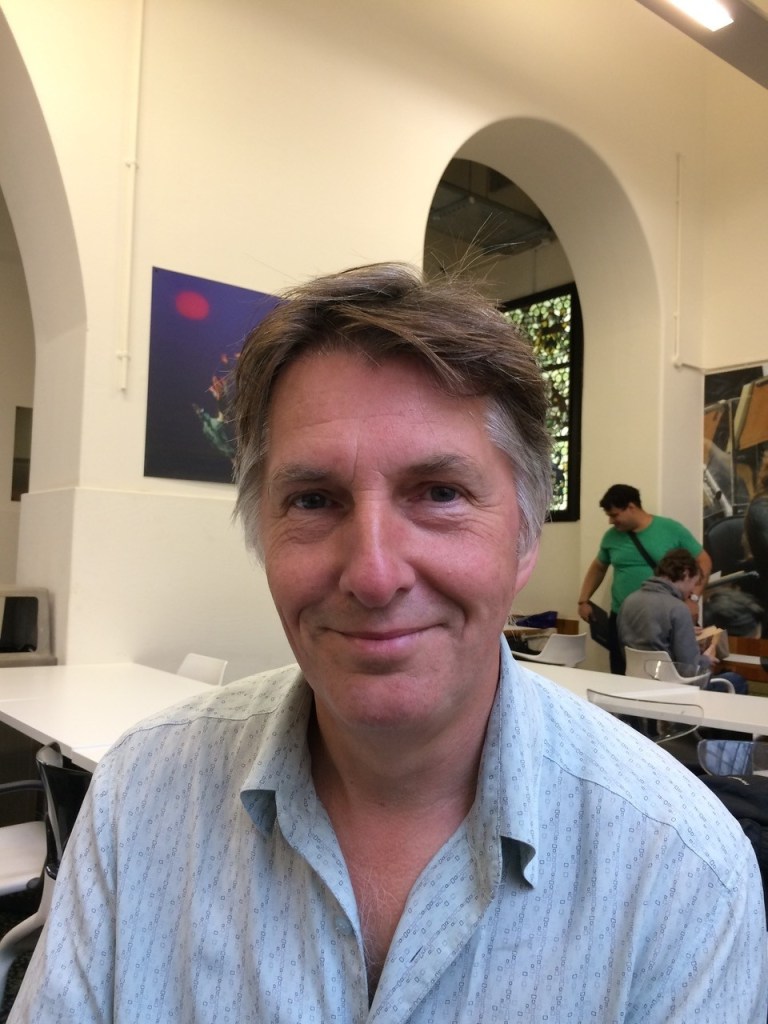
It’s a pleasure to introduce our August guest poet Stuart Handysides. We met years ago on a poetry workshop. At that time Stuart was still working as a GP. His poems have been widely published. For 11 years Stuart ran the annual Ware Poets competition. At the end of the post you’ll find his biography.


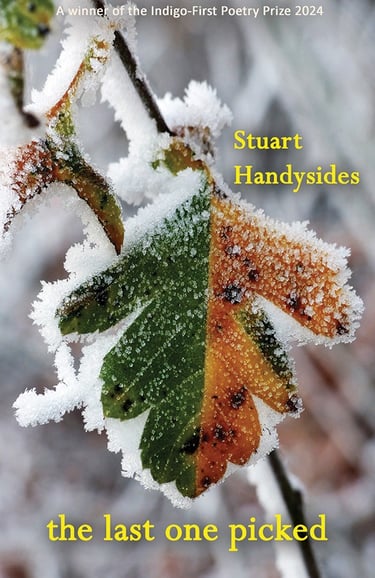
Here are four poems from the last one picked, Stuart’s debut collection which was a winner of the Indigo-First Poetry Prize 2024 and published last year. Fellow poet Matthew Paul reviewed the book on Substack.

Sinner, brought up short

Allowed, just once, to sit elsewhere in church;
not midway back with Mum, the usual place,
but at the front, next to a special friend
— we were, I think, no more than six years old

— proximity to Father guarantee
that I would never dare to misbehave.
But suffering the slow, long, quiet time
I itched to wriggle, talk, to make her laugh.

The shock, the shame, to hear my name — one word
deep and calm, punctuating his sermon
— my small, hot, red face believing all eyes
forever on me, unforgiving.

Disgrace

You vanished into space I’d never seen
– on my behalf – you needed darkness
while you rolled me up a film.

I took the door’s key out to peep.
You shouted – in alarm – and I was scared.
And in my haste I must have turned the lock.

You thought that I had played a prank.
I fled, you hammered on the door
to be released. I sensed your held-in rage.

I never got the film and never saw
your darkroom, never dared to ask to see
your den of alchemy, despite the lure

of dishes, timers, paper, negatives
of images that magically appeared
enlarged and focused under dim red light.

This poem is the souvenir I failed to buy

Within the list of things I might regret
this shouldn’t even figure, but it does.
We’re hanging out in San Francisco when
perhaps too close to dinner time I drag
them into City Lights, explaining how
it isn’t just a bookshop, more a shrine.
And, to be fair, they play along
although I sense they’d rather be elsewhere.

But, having thumbed through Howl and On the Road,
A Coney Island of the Mind,
it all becomes too much. I leave the books
unbought, as if there’d be another time.

Winter morning, unbroken

The only light a moon that’s almost full
seen through a naked tree and soon to set,
a cold green glow from the cooker’s clock,
the kettle filled by feel — to turn on light
would break the spell of undone night.

Frost twinkles on a pitched wood roof
above a sprinkled pile of bird seed
where later pigeons, unprepared, will slide,
regain their poise, attempt to look unruffled,
somehow flap inside to feed.

The kettle boils, the tea is poured,
I flee the chill ceramic tiles
and take it back to bed.

Biography


Stuart Handysides grew up in the Midlands but lived in London and the South East for many years. He began writing as a general practitioner, continued while working as an editor of medical publications, and started writing poetry. Stuart’s poems have appeared in magazines, such as Acumen, the North, the French Literary Review, Poetry Salzburg Review and the Frogmore Papers. He has had success in competitions, and his play Gleaming for an Instant was performed online in 2020.

Theo Jansen – Strandbeesten


If you repeat the word ‘wind’ often enough it will start blowing. (Theo Jansen)


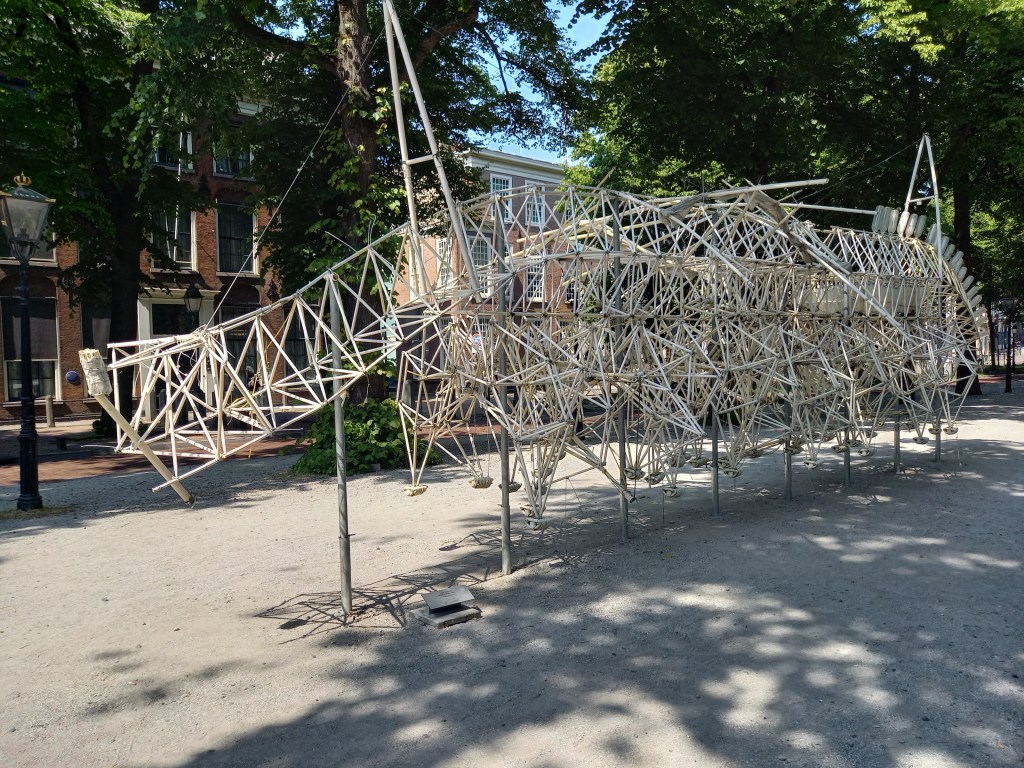
I took this photo three years ago when one of the Strandbeesten was on display at Lange Voorhout, one of the oldest streets in the Hague. You can see the linden trees (Tilia) which were planted in the early 16th century.


https://www.strandbeest.com/


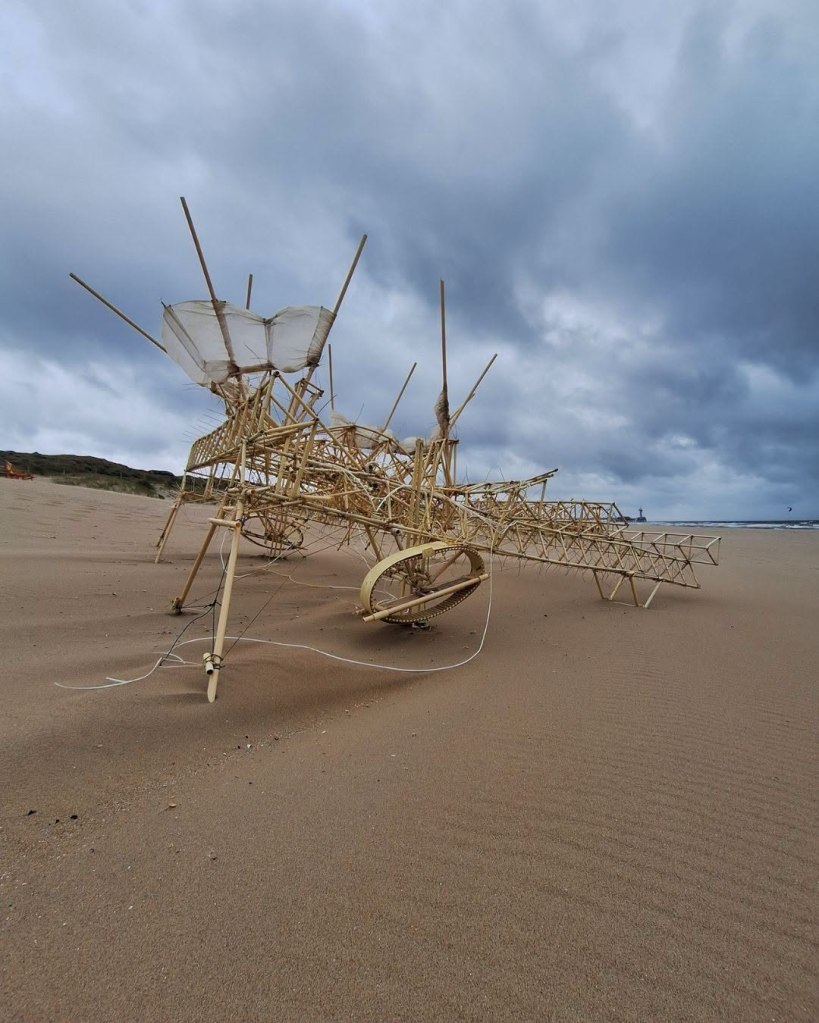
On his website, Theo Jansen explains how the Strandbeesten came to be. In short videos he describes the development of the neural system, leg system and waterfeeler system – essential for survival on the beach.


The main component is cheap yellow PVC tubing (around 2,000 to 3,000 metres per animal) with tie clips and empty PET bottles. An animal weighs around 180 kg. Jansen would prefer to use bamboo (more ecological) but this would not survive on the beach.


A diagram shows the evolution and family tree since the ‘Pregluton’ phase of 1989. In the winter Jansen works on developing the next generation which is tested on the beach the following summer. That species of Strandbeest is then declared extinct.

Source: This is The Hague 2026


People pay to be on Scheveningen beach (north of the pier) when Jansen tests the new animal, and the 2026 sessions filled quickly. Here are some videos instead:

Imagine 5 Gallery – Fantastic beasts brought to life by the wind


Jansen gives a brief explanation as a number of Strandbeesten are about to be exhibited in the Kunstmusuem (2022).

‘Coolcation’


The New York Times has just recommended The Hague as a ‘cool’ destination. A contrast with Barcelona and Paris where it’s 40 Celsius. The article praises the ‘cobbled streets’ and ‘picturesque canals’. You can view Girl with a Pearl Earring in the morning, and sip sangria on Scheveningen Beach in the afternoon.


Well, it won’t be cool here: temperatures up to 36 degree Celsius are forecast from today. The Hague is a great travel destination: several outstanding museums of which the Mauritshuis is one. That girl is, however, leaving this Friday. She’s destined for Japan where she’ll be on display in the Nakanoshima Museum in Osaka (21 August – 27 September).


As it may be hot on the beach, let’s head to Voorlinden Museum instead.

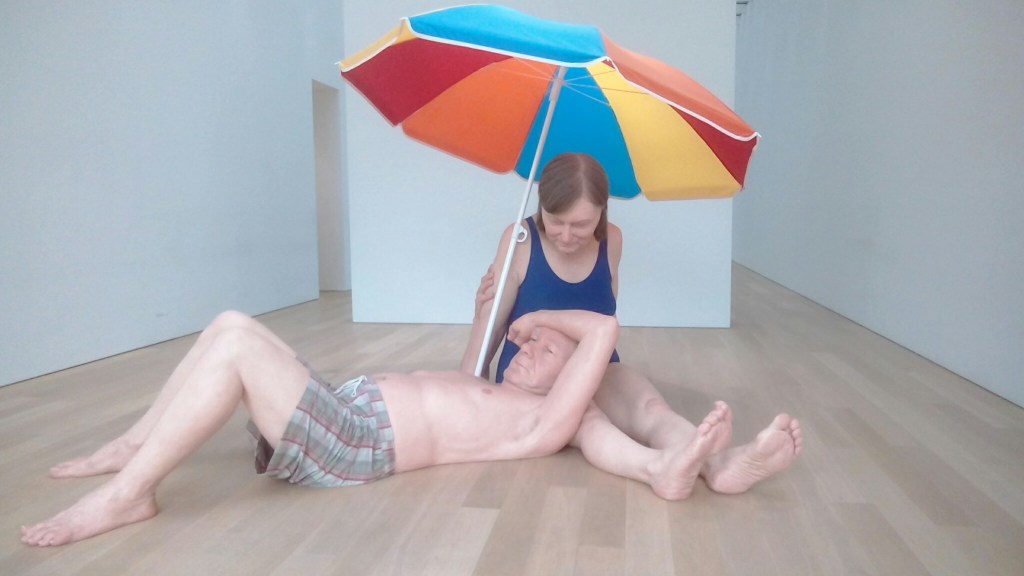
Couple under an Umbrella, own photo

Ron Mueck made the work of fibreglass and silicone in 2013. It’s hyper realistic – the veins and hairs are there. The work is exactly twice human dimension. Mueck has also made smaller works. The couple do not represent specific individuals, but they are universal and recognisable.


They don’t have to walk far to take a splash: the famous Swimming Pool installation by Leandro Erlich is just metres away. Originally made for the Venice Biennale of 1999, the installation was then moved to the 21st Century Museum of Contemporary Art, Kanazawa, Japan.


Voorlinden opened 10 years ago and the installation there has the same swimming pool blue, lights and steps. The shimmering water is an illusion. There is 10 cm of water above transparent glass. Visitors can enter the installation by going down steps.

32 Celsius – writing prompt

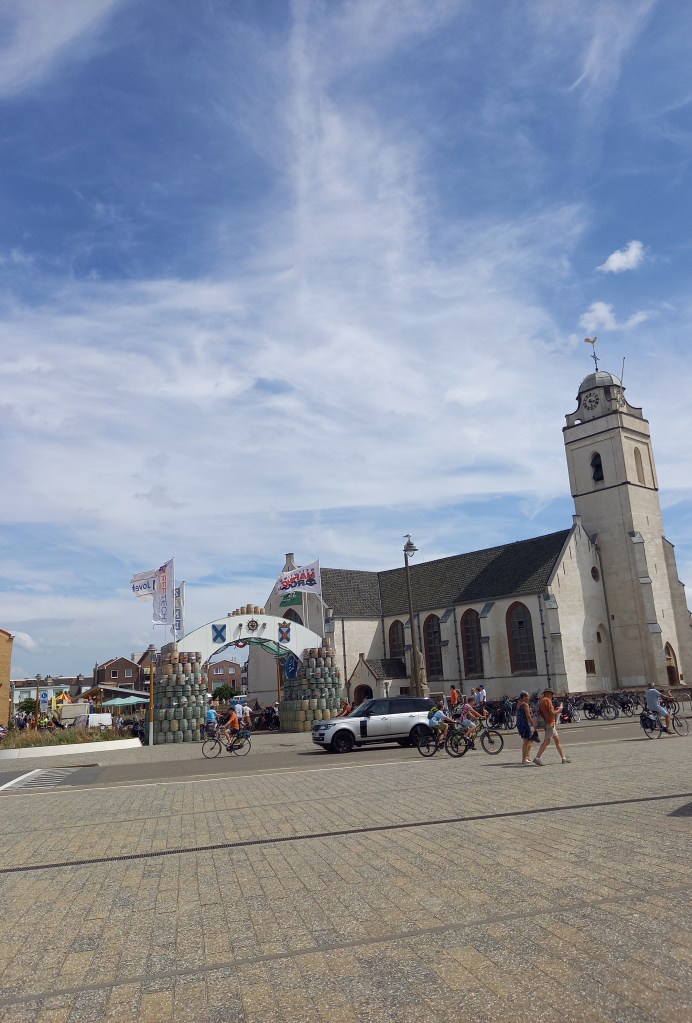
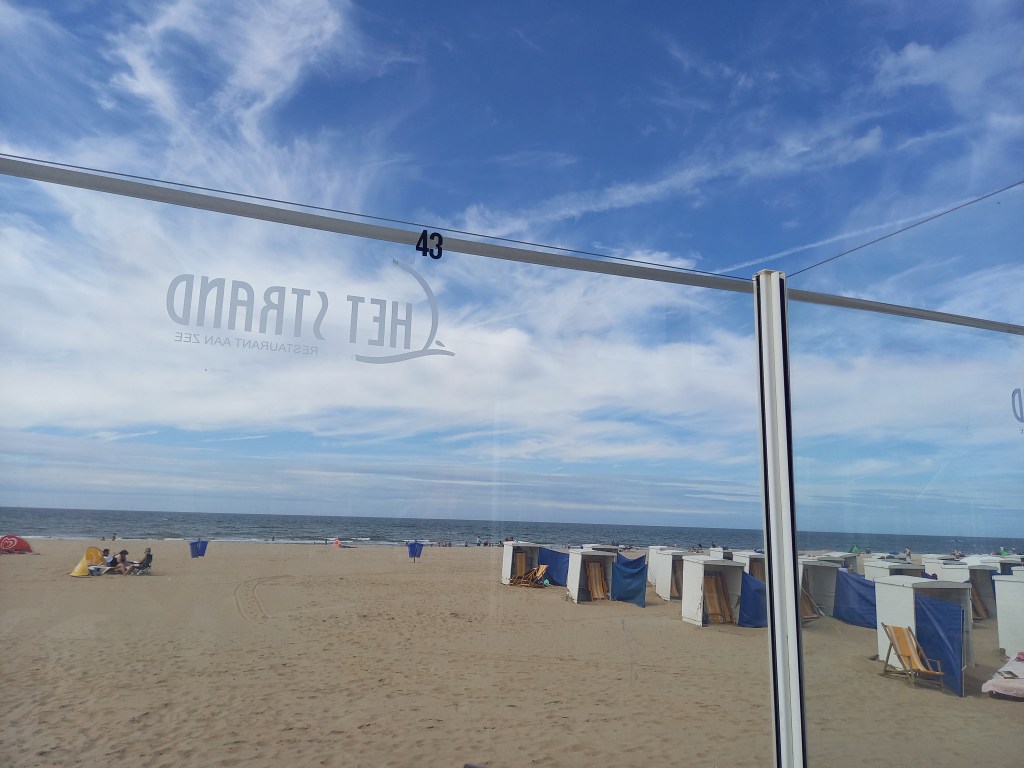
Only half an hour’s drive away is Katwijk aan Zee, a traditional town with a small fishing port. During the summer vacation, the weekly Tuesday market is extended: crafts people showing and selling their goods, music, or a display of vintage cars.

The council spent money on a large car park hidden below the dunes. Coffee, a walk round the market, lunch on the beach. This year my friend and I chose the Trio of the Sea – smoked salmon, Dutch shrimps and a delicious taco with tuna and wasabi. We favour Het Strand, with glass panels between tables for privacy.

Today, the heat is back. So, I’m posting a cooling prompt from earlier this year. Write on from Everything was frozen

Everything is frozen

The welcomes clatter to the ground.
Those sandwiches, salmon and cucumber;
the cheese scones; even the tiered metal tray
on the once-wooden table. Mary, the absentee
landlady, gasps. Two small vowels fall on the carpet.
Everything so white, so silvery, so creaking on the change.

Tom strokes his beard, that has been soft as a lamb,
cuts his finger and now the miracle of the red blood
turning to icy droplets. If there had been a cat,
it would have chased them around the room.
This is always a sadness – a poem or story without a cat.

The Journal of Imaginary Research


Once, a long time ago, I was an academic psychologist. The Journal of Imaginary Research publishes short works of fiction in the academic genre of the Research Abstract. A poet friend and academic mentioned the journal to me last year.

I was chuffed the editors accepted my piece of imaginary research for issue 11 (2026) which has ‘Shrinkage’ as its theme. There are 58 fascinating abstracts from a range of disciplines. The issue is free to download here.


I also had great fun composing the biography. My alter ego is Dr Melody Rowe.

The impact of childhood belief on adult ability to shrink objects

Photo credit Shutterstock 119440741

Abstract

The Netherlands is one of the most densely populated countries in the world. Its inhabitants are taking up more space (obesity). Tiny houses are becoming more popular. It might be beneficial if other objects could be shrunk too (Bottema, 2020).

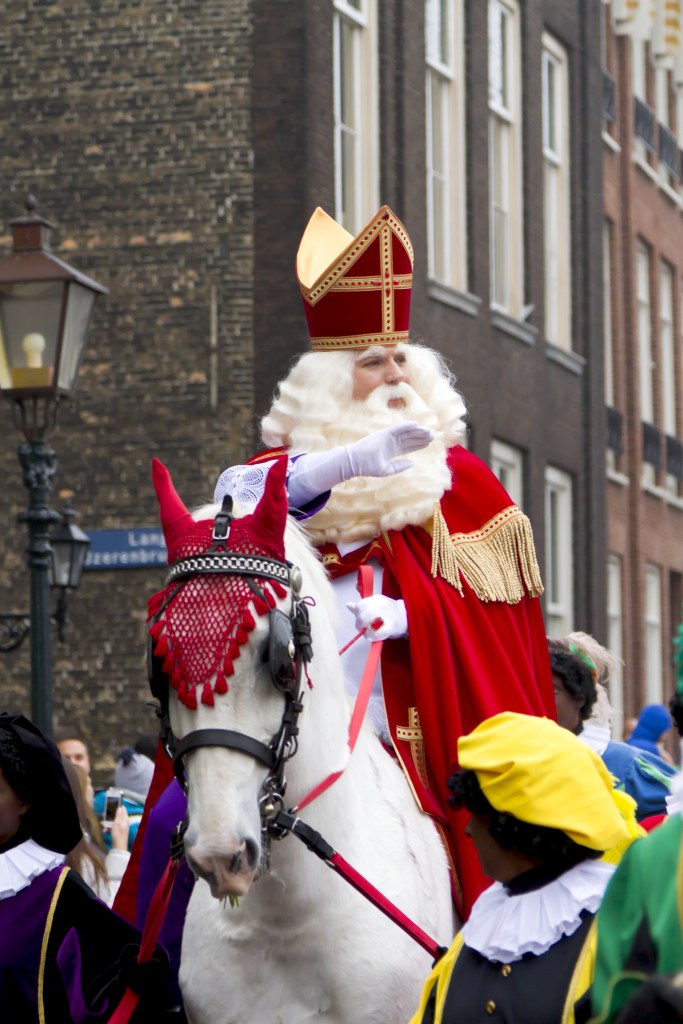
Most Dutch adults have experienced seeing white horses during December: St Nikolaas uses a white horse for transport. His horse needs to reduce in size rapidly to descend chimneys and leave presents by the fireplace.

It was hypothesized that adults who lost their belief in St Nikolaas at an early age would either be unable to shrink their hobby horse, or take significantly longer to do so, compared with those who held on to their belief longer. Parameters for ‘early’ and ‘late’ loss were established across gender and age. Participants were allocated to groups accordingly. They were presented with a sequence of visual stimuli (images of white horses in different settings) and then instructed to shrink their hobby horse until it fitted within the confidence interval. In countries where Father Christmas and reindeer are significant seasonal characters, the principle of generalization predicts similar results.

Biography

Dr Melody Rowe is a very cross cultural psychologist with a PhD in the luminosity of liminal and ‘thin’ places. They are the Niobe Professor at the University of Tuonela where they continue to conduct ground-breaking research in the oral transmission of swan songs and the impact of trans-generational inheritance of boundary markers. They are Visiting Professor at the University of the Styx where they oversee post-doctoral research. They have published widely in their chosen field and are the author of the best-selling guide Love or leave a liminal place (Nemo T Press, 2016) which was translated into 14 languages.

Forgetfulness – guest poet Ian Seed

Photo credit: Jonathan Bean, Lancaster Litfest


I am delighted to introduce our June guest poet Ian Seed. We met on a writing course where Ian was the guest reader on the 9th of December 2019. I know the exact date because I bought a copy of his translation of The Thief of Talant by Pierre Reverdy and Ian wrote a dedication for me ‘sometimes it’s nice to be a stranger’.


You’ll find Ian’s biography below the four poems. These are from his recent collection Forgetfulness, ‘tragicomic navigation of different forms of loss’. It is beautifully produced by Shearsman Books. Caroline Bird writes: “Ian Seed allows us to ‘stay inside the asking’’, inside a dream half-dreamt, a loss mid-grieved. His elegies expand like half-lit corridors, leading to new selves – or old selves we have forgotten, their ‘cigarettes glowing in the oncoming evening’.”


The collection is in four sections. Section 1 opens with Scattering my Mother’s Ashes – a sequence of nine prose poems. This is followed by the title poem Forgetfulness. Section 2 includes the numbered sequence Jugglers and poems laid out in stanzas, like Unscripted. Section 3 has 20 prose poems of varying length. I found it very hard to choose, but here are Pastoral and Relations.

Forgetfulness

Walking up the mountain, I see my mother sitting on the café terrace of her new care home. She’s looking remarkably young – her hair’s been dyed its old dark colour and someone must have applied a lotion to make her skin all smooth again. Yet she still has that look in her eyes of not knowing where she is anymore. I doubt she will recognise me, but she greets me by name. I tell her I’m on my way to meet a friend at the top of the mountain – I can’t stop for long. She nods, though I’m not sure she’s understood. Deep down we both know she’s no longer alive, but neither of us can bring ourselves to say so.

Unscripted

A heavy snow. The film eyes
of a stranger. This street is absent
from the story of the city

which I cannot recognise, though
my body’s memory can read
its twists and turns, its lines

broken through movement. The shape
of this snowflake resists
the tyranny of completion. I

is the space of the abandoned
intersection, the recorder motionless
for the first time.

Pastoral
after Max Jacob

The three soldiers in their red uniforms were sitting on the river bank, their long rifles laid to rest on the grass. ‘Soldiers are not handsome in themselves, except they can make themselves look as if they are,’ I declared from my perch on a fallen tree trunk nearby. ‘People may say that beard is ugly, but that’s only because it happens not to be in fashion at a particular time.’ I looked at one of the young soldiers – slim, dark hair, blue eyes, whose name I gathered from their conversation I’d listened to earlier was Tom – and went on: ‘But there are some soldiers who are extraordinarily handsome whatever they wear, whatever the fashion.’ I looked at the other two soldiers. ‘And you too can make yourselves handsome with just a few changes. As for me, I’m out of the game now.’

Relations

My grandfather, who had committed suicide, was in an old-fashioned train compartment with me, lying in my arms. I remembered the softness of his woollen suit from my teenage years. He was just as lost as he had been back then after my grandmother died. He was comforted by my holding him, but not sure who either of us was.

Biography

Ian Seed’s recent publications include Forgetfulness (Shearsman, 2026), My Outsize Hank Williams Cowboy Hat, with artwork by Lupo Sol (Sacred Parasite, 2025), The Dice Cup, from the French of Max Jacob (Wakefield, 2023), The River Which Sleep Has Told Me, from the Italian of Ivano Fermini (Fortnightly Review Odd Volumes, 2022), and New York Hotel (Shearsman, 2018), a TLS Book of the Year. To find out more, go to www.ianseed.co.uk

Birthday Party – poem

Today is the birthday of my friend Kathleen Kummer. After several falls, she is now very frail and housebound.

Kathleen and I met on a writing week with the poet Lawrence Sail at the beginning of the century. She had lived and worked in the Netherlands. We became friends. I visited her in Dorchester and in Devon where she moved, aged 79, to be nearer her two daughters.

Kathleen had a body of work when she moved to Devon, and sent a manuscript to Alwyn Marriage at Oversteps Books. They published her debut collection Living below sea level (2012).

I am deeply grateful to Kathleen for our friendship and our poetry connection. Today I’m posting her poem Birthday Party, showing her empathy and eye for telling detail.

Birthday Party

It’s his fortieth birthday. He’s sitting alone. He seems
neither man, not child, nor anything in between.
When he opens his presents, he’s all of these at once,
and happy. (‘What shall I give him?’ ‘Anything’, they’d said.)

Somehow, he’d made it plain he wanted a fish
on his cake. So on top, a flatfish. It looks like a fossil,
all its bones impressed on the green marzipan. A frieze
of stiff, blue icing ripples round the base.

A family group over there on the leather settee
talks about children at college and moving house.
He gazes through and beyond them, remote as those heads
on Easter Island, but jumps up to blow out his candles.

He’s given a card which reads Happy 30th! (‘He won’t know,
don’t worry.’) His hair is receding – he’s beginning to look like
his father, who tomorrow will take him back to the Home
where he has his bedroom and bathroom en suite. (‘Very smart!’).