Tag Archives: health

Sublime Lungs – guest poet

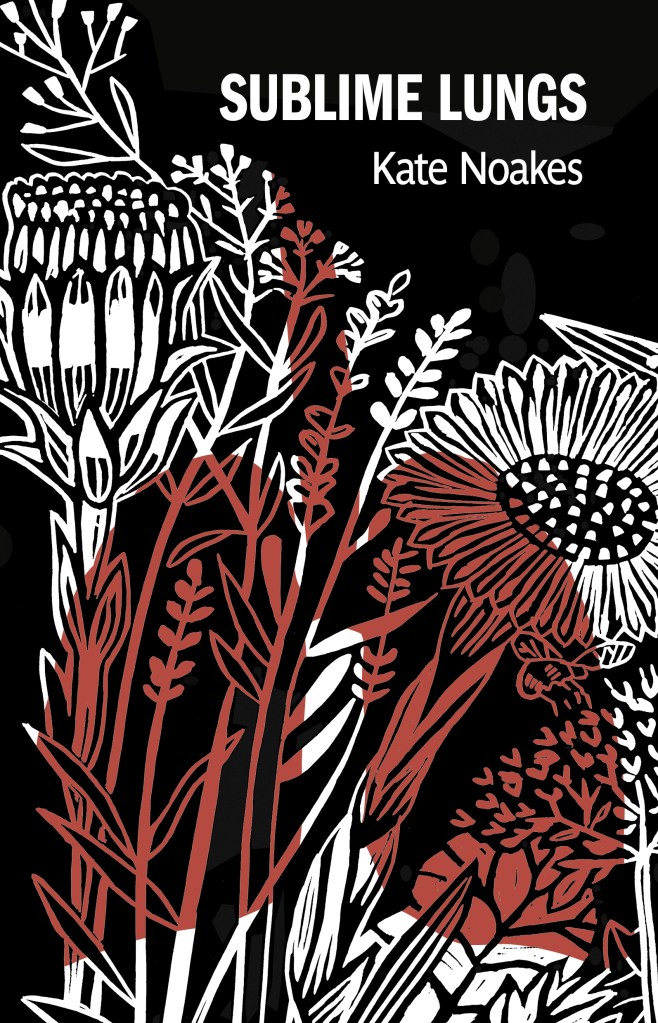
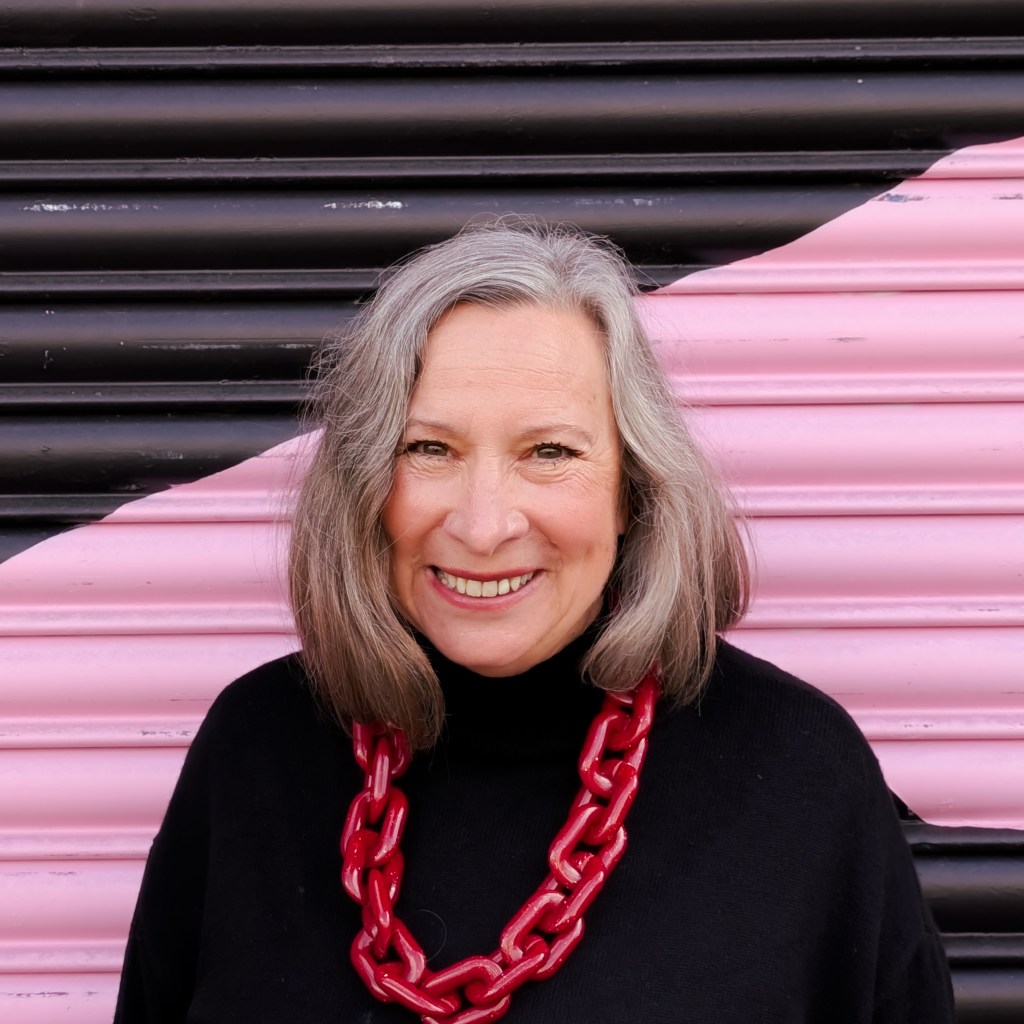
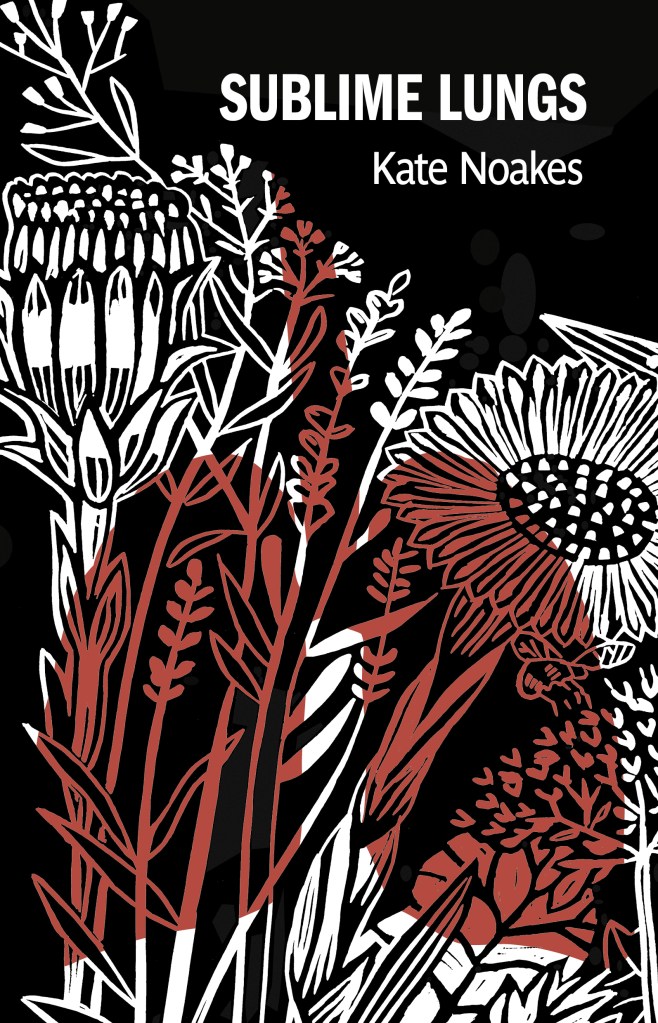
It is a great pleasure introducing guest poet Kate Noakes. The four poems are from her new collection Sublime Lungs, published this month by Two Rivers Press.

Carrie Etter writes ‘With each successive poem, Sublime Lungs expands the scope of how this condition affects one’s experience of the world in poems by turns witty and moving.’

You can find Kate’s biography after the poems. On her website you can also find details of future launches in the UK. The online launch is 24 April.

At a lecture on the lungs

Saying they look like cauliflower
is troublesome. I don’t much like it.
Can’t you imagine some other vegetable
for me to care about?

Describing particulate-caused cell change
as columnar to cobblestone won’t do it either.
These are impossible to traverse in heels
and I’ve broken so many stilettos.

Nor does learning of mucus-producing cells,
on the increase and ready for infection,
given this conjures fat black slugs
smearing themselves around in my chest

and in the coastal redwood fog forests,
banana slugs are choking me.

Bronchospasm, barotrauma, embolism

Is it worth it to see anemones
flowering deep, and multi-coloured fish
which never appear to the snorkeler?

Shall I risk it for sea pens and being dyed
by an octopus shooting to her cave
in an ink cloud?

What chances with vicious
silver barracuda and the inevitable
circling sharks?

Enough of purple jelly blobs
faceting rock pools, or their pink selves
unfurled between the tides.

Masked and wet-suited
on the side of a boat
with an artificial lung

a tank of air that will take me, where?
Heaven or hell. Slowly,
cautiously, let me live to tell.

Kent marsh frogs

Oat gold grass, swathes of rush in purple-brown,
the Oare marshes stretch to the horizon.
Mercurial tides leave a slice of silver water
isolating us from the Isle of Sheppey.

Clouds are quickening and the late summer wind
seeds my eyes – a second wave.
Half-blind with redness, I almost miss
the brackish pond with the largest of frogs

– dinner plates are no exaggeration –
and as for the ring-necked grass snakes
waiting in the surface weeds, I watch their vigil
through hay-fever tears.

A snake lunges. And again. The frog
breathes on through skin or mouth or lungs.

Caunes-Minervois

Swifts squadron the sky from early light.
All day they gorge on the wing, resting
only for seconds on the cream-stone sills
of tight-packed village houses.

They catch their breath quick, quickly
under orange-lichened pantiles and are off.
It’s a wonder their small hearts, their lungs
can cope with such long sorties.

There’s never a hint of wheeze
in this warmth and my chest expands
when I can take in the heady scent
of star jasmine. It’s good

there are men in their potagers,
chivalrous enough to cut a stem of roses –
doubles, old-fashioned, and perfumed
to fill my breath with healing.

Biography


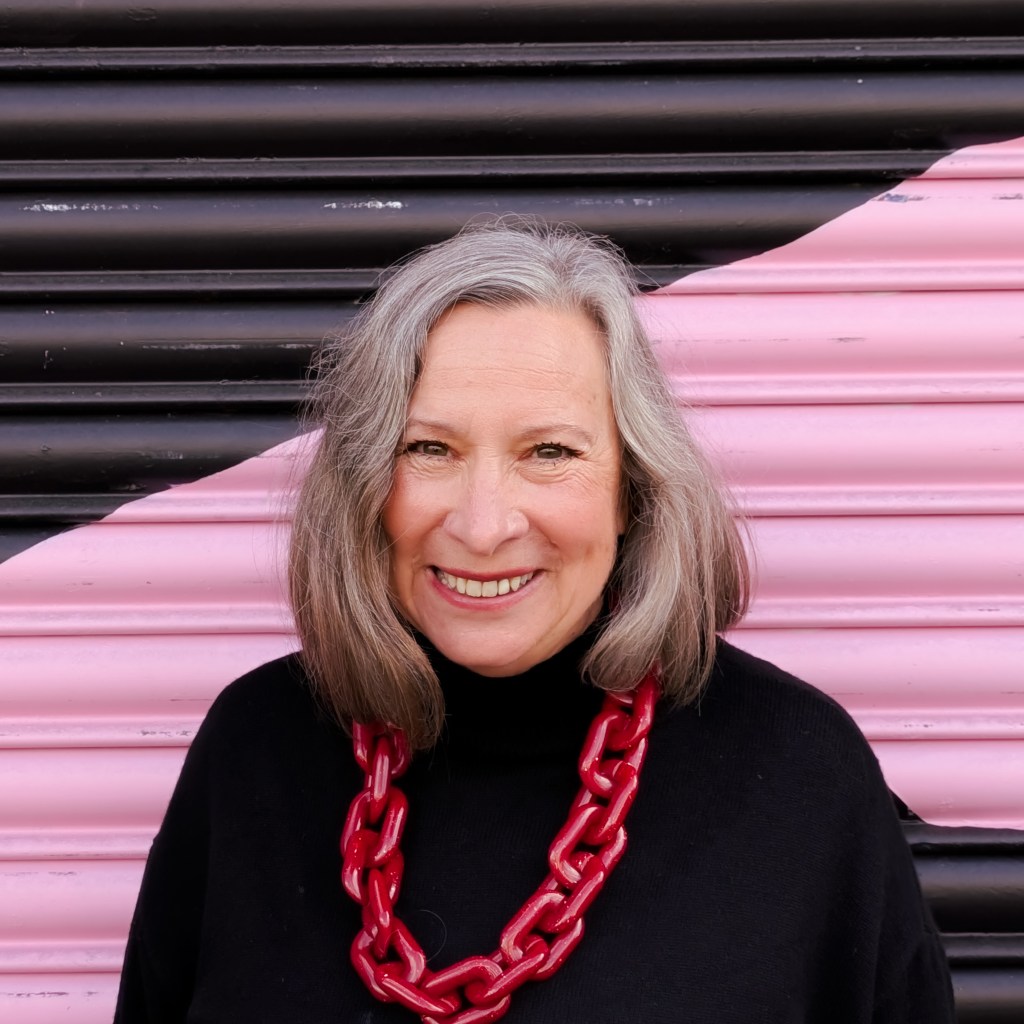
Kate Noakes lives in Bristol and has a PhD from the University of Reading. Her new book (her ninth full collection), Sublime Lungs, is published by Two Rivers Press in April 2026. Bog Queens, a pamphlet from Green Bottle Press, is going to be published in June this year.


 She was elected to the Welsh Academy in 2011. Her content rich website, Boomslang Poetry, is archived by the National Library of Wales. Kate’s first non-fiction title is Real Hay-on-Wye (2022, Seren).


During six years in Paris, she was founding president of Paris Lit Up. Kate acted as a trustee for London literature development agency, Spread the Word, between 2018 and 2022 and she is one third of Bristol poetry performance group, Braid. She programmes the poetry events for the Clifton Literature Festival.

For Easter, try egg blowing – guest poet

Here is a sample poem by our April guest poet Kate Noakes. The poem is from her new collection Sublime Lungs, which will be published by Two Rivers Press on 21 April. This is her ninth full collection. More poems after Easter.

Kate will read at the Cheltenham Poetry Festival on 14 April. There is an online launch on 24 April. You can find the schedule of online and live launches on Kate’s website

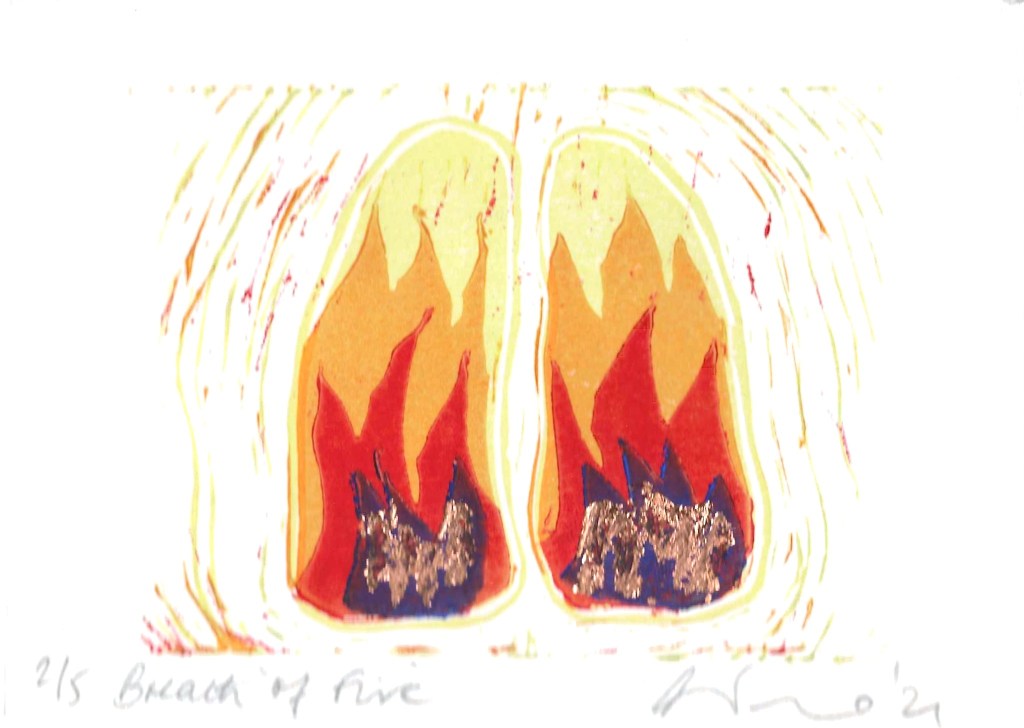
Kate Noakes Breath of Fire

For Easter, try egg blowing

David Attenborough stood on an ostrich egg
to demonstrate its strength once.
‘The toughest egg in the world,’ he said.
He may even have jumped on it for emphasis.

Of course, no-one had drilled it and sapped its yolk
with mega-breaths and an extra-thick straw,
which is how it withstood his weight, unlike
the three souvenirs we bought in Oudtshorn,
their weakness apparent under failing coving.

They smithereened the carpet and needed
hand picking, the hoover’s inhalations proved weak.
We’d have been better off buying feather dusters
from the hawker pitched outside the super-market.
They’d have been easier to carry home.

Solstice and poetry – books

Solstice: a clear day here in the Netherlands with the sun breaking through as I type this.


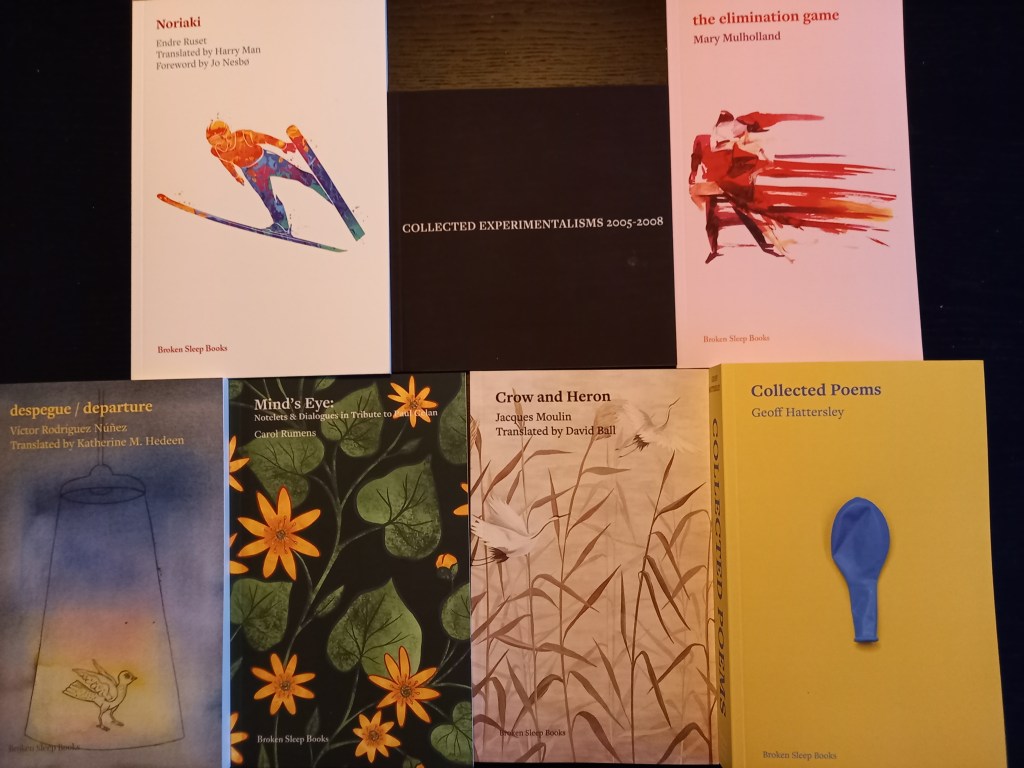
My holiday reading is sorted. The seven books include translations from French, Spanish and Norwegian. The latter an interesting set of haiku and haiku-like poems about the Japanese ski-jumper Noriaki Kasai.


Broken Sleep Books use the world’s largest on-demand publishers. The parcel came from France: no import duties, no VAT, no waiting while parcels linger in the customs depot. A bonus!


This is my last post for 2025. Season’s Greetings and many thanks to you all.


Here is the link to James Schuyler’s poem Linen. A poem about gratitude, starting with a question, and almost a sestude.

Spoilt for choice…

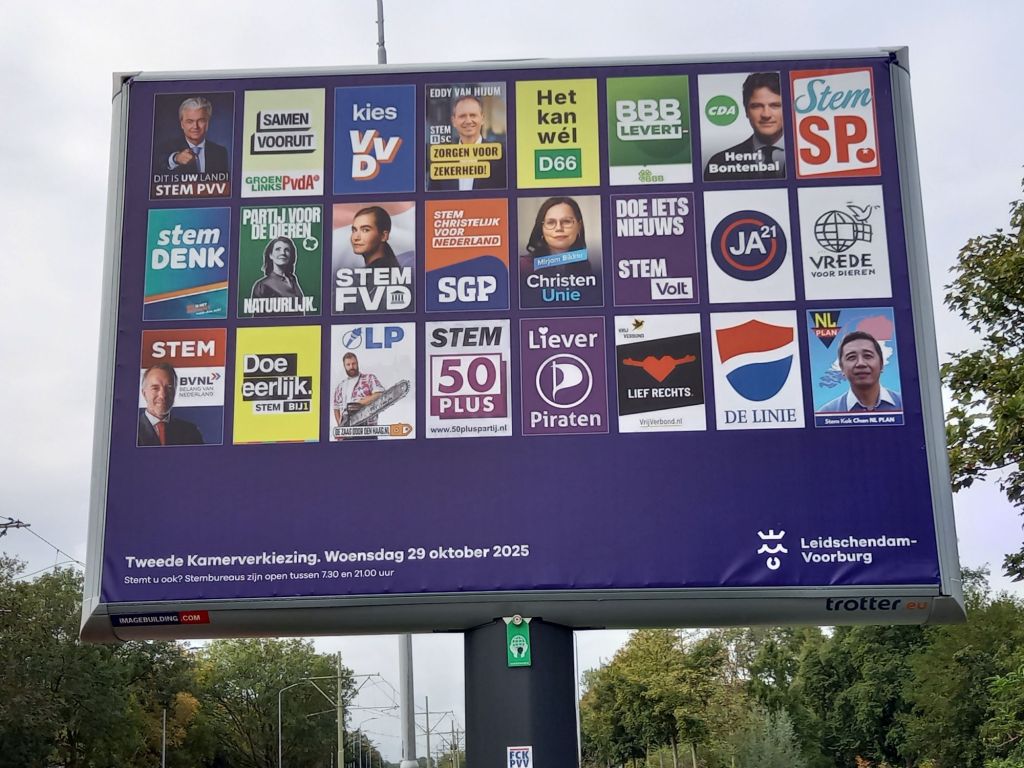
This coming Wednesday are the elections for the ‘Tweede Kamer van de Staten Generaal’ – the lower house of parliament.

All over the country, boards have appeared with the 24 political parties. In large cities and towns each party has its own board. In small towns, like mine, the one shown.

On Friday, a pale grey sheet of A1-sized paper arrived by post: names of candidates for the 25 parties. So much detail: it’s essential to orient yourself beforehand. Otherwise, you’d spend too much time in your cubicle on the day, and there will be queues. When I voted in the last elections (November 2023), I couldn’t fold the paper back into its original roadmap shape…

The Dutch are famed for their tolerance. I find that puzzling, but then I spent most of my life outside The Netherlands.

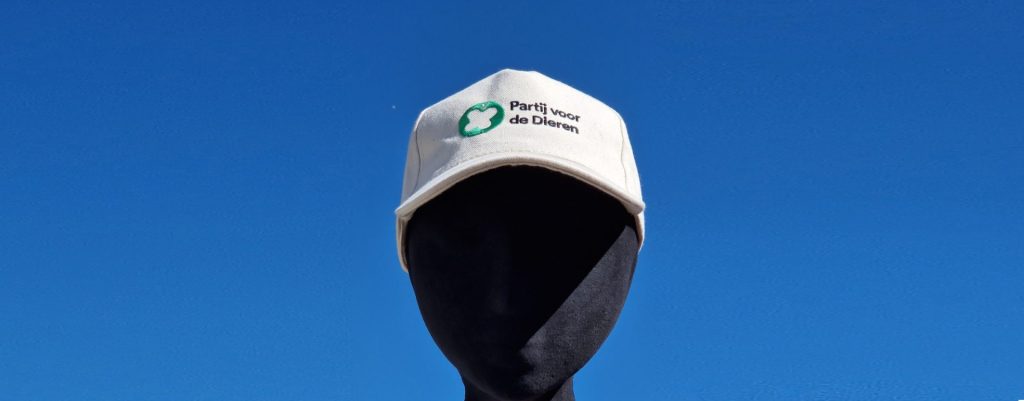
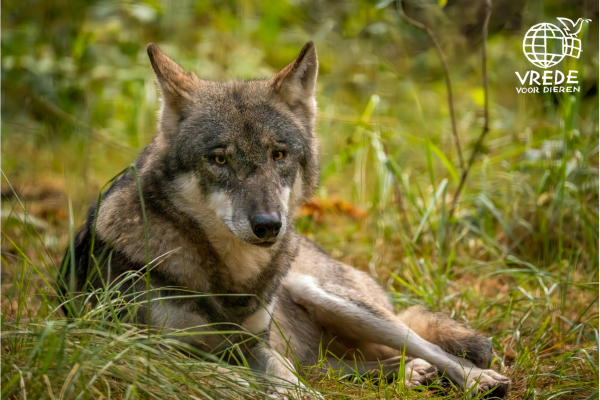
A few months ago, a new political party ‘Vrede voor Dieren’ (Peace for Animals) was established. They split from the original ‘Partij van de Dieren’ (Party of the Animals) because the leader of the PvdD (initially pacifist) changed their views and now supports re-armament. The new VvD rejects re-armament in principle.

You don’t need to have read Animal Farm to think that an animal’s view of pacifism is probably Will I be eaten or not? (paraphrasing a Dutch novelist).

Confidence in politics and politicans

Confidence in politics is at an all-time low. In the August 2025 polls it ranged from 4% – 9%. Some 25% of those polled were floating voters. There are several reasons for that.

Photo credit: MabelAmber via Pixabay

Time lost in the polder…

  1. The ‘polder’ model is the pragmatic recognition of pluriformity. Time is needed to achieve consensus: people will need to polder. However, this verb has a negative connotation in relation to politics. An election will be followed by months of sitting and talking, walking and talking. A ‘formateur’ will facilitate the process. Meanwhile, the previous coalition is just ‘care taking’ and keeps things ticking over.

It also takes several months to organise an election, typically four to five.

The coalition Rutte II was the first cabinet that completed its full four-year term since 1998. Its starting date was 5 November 2021. Since then, just over two years were spent on forming the next three coalitions.

Not lasting the course

Rutte III – the full cabinet resigned over the child benefit scandal. A parliamentary enquiry had found that officials had knowingly and systematically deprived people who were legitimate claimants. Thousands of people have still not been compensated.

Rutte IV – resigned over fundamental disagreements regarding immigration measures.

Schoof – An unstable coalition from the start: two parties (the Boer Burger Beweging or BBB) and the NSC (Nieuw Sociaal Contract) both new to government and both struggling to get enough credible candidates for their seats. With Wilders of the PVV (Partij voor de Vrijheid) who’d walked out of an earlier coalition government. Seen as a ‘bunch of amateurs bickering amongst themselves.’

Not tackling the crucial issues

The Hague is a long way from the northern province of Groningen where thousands of people have been waiting for over a decade for compensation. (The subsidence caused to properties caused by fracking. Another parliamentary enquiry.) Just an example.

This time I’m a floating voter. So, I’ll go and have another coffee, inspect that grey form a little closer!

Having Her Cake – guest poet


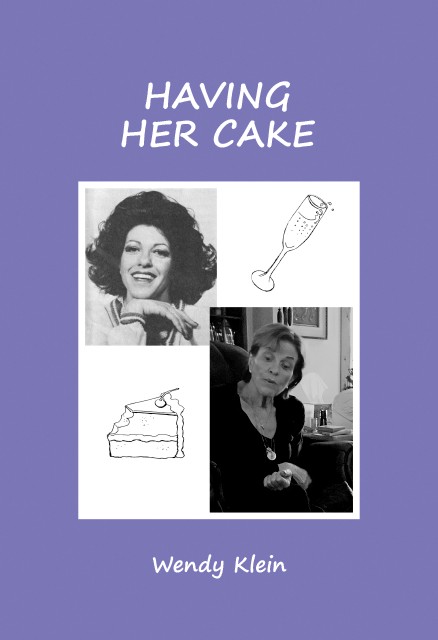
It is a pleasure and a privilege to share three poems from Wendy Klein’s new pamphlet Having Her Cake, published by Grey Hen Press. The pamphlet is dedicated to Barbara Cox (1943 – 2019). Several poems give us vivid details about their lifelong friendship. However, the focus is Barbara’s ‘physician assisted’ death. The opening poem starts: Barbara never knows what time it is in Britain. California calling ends: the kindly California law / on assisted dying / I tell her I’m coming.

Having her Cake

The chocolate cake, left over
from her annual pre-Christmas do
sits on a large white china plate,
dwindling in size day by day,
an unwashed fork lying next to it,
a temptation to any passers-by,
though no one ever sees
anyone else eating it
and it would have been sacrilege
to open the cutlery drawer,
select a clean fork,
place the used one in the sink
or the dishwasher, but someone
on the third day I’m there removes
the plate, crumb-covered and sticky,
replaces it with a tidy paper version
tucking the now over-large piece
of cling-film around the edges
clumsily, carelessly, as if
it no longer mattered, as if
at any moment it could be binned
plate and all.

What you can’t wake

The dead. No, not even the dogs,
grumbling at being shut
in their crates, beside her bed
peering through the grate, eyes
full of reproach.

No, you can’t wake the dead,
but the not-quite-dead
are too awake, their eyes
peeled until the last,
their flesh jumpy,
their muscles braced.

Beneficiary

Released from the need to worry
for herself, she frets
about the falling stock market
on behalf of her beneficiary,
a willowy young hairdresser,
the daughter she never had,
who will inherit everything:
the rambling shambolic bungalow
with its million and one flaws:
the water pressure that shuts down
the whole system when the shower is on,
necessitating bouts of shouting,
water, water if someone so much as
turns on a tap to rinse a cup,
brushes teeth, flushes the toilet
in any other part of the house —
a second-hand Honda Jazz,
a rusting dishwasher, a dog run
which looks like a concentration camp
for canines, meant to be protection
from ‘critters out there,’
and the stock market falling,
falling, falling.

Biography


Widely published and the winner of many prizes, Wendy Klein is a retired psychotherapist, born in New York and brought up in California. Since leaving the U.S. in 1964, she has lived in Sweden, France, Germany, and England. Her writing has been influenced by early family upheaval resulting from her mother’s death when she was nine months old, her nomadic years as a young single mother and subsequent travel. She has published three collections: Cuba in the Blood (2009) and Anything in Turquoise (2013) from Cinnamon Press, and Mood Indigo (2016), from Oversteps Books., plus a new and selected, Out of the Blue (2019) from The High Window Press. Her first pamphlet Let Battle Commence (2020) from Dempsey & Windle, was based on her great grandfather’s letters home while serving as a Confederate Officer in the US Civil War. She shares her work on https://www.cronepoet.com.

Sub/urban Legends – guest poet

Pam Thompson

It’s an enormous pleasure to introduce this month’s guest poet Pam Thompson. Pam and I met 13 years ago on an extended writing course. You can find her biography below the poems. These are from Pam’s prize-winning pamphlet and show the range of her writing. The Paper Swans pamphlet competition was judged by John McCullough: ‘Sub/urban Legends gripped me because of the way it marries poignancy with a really bold imagination and stylistic flair’. The intriguing cover image is also by Pam.

Explorers, Antarctica, 1901

The leader sits on the sledge.
He never does this.
It’s against the rules of the expedition
but now there are no rules.

Two huskies – the two
remaining huskies, they ate the rest –
sit either side like imperial lions.

The ship is stuck in frozen waves.
The crew are starving or dead
but this photo will be evidence
that they reached their destination.

The photographer in the black hood.
Stepping back. Pulling the cord. The flash.

Self Portrait as Fulang Chang

Freedom, chica, is all. I’ll wear
the mandarin’s hat and silk waistcoat,
eat all the honeyed grapes,
to stay favoured, like a first-born.

I perch on her left shoulder,
always on guard, never at ease.
I bare my teeth and scream,
at Diego and the village dogs.

I am the brush passer, ear
for her secrets, but I am all chat,
you know, teller of her tales
though she isn’t one to keep schtum.

The bloody hearts we paint
will drip onto the Blue House floor.

Fête Galante

Take the bus from outside the Water Margin Chinese restaurant—or from where it used to be in 1974—allow plenty of time. You’re at work in Lewis’s, folding up school shirts badly, cramming them back in their packaging; in a History of Art lecture looking at a slide of Fragonard’s ‘The Swing’. The bus will be full, people will be smoking on the top deck, so will you. This must be your stop. Is it everybody’s stop? You join the flow—you think of Tracy Emin’s tent with the names of all the people she ever slept with, or is it her messy bed you’re thinking of. All the beds you ever slept in. Lewis’s. All the shops you ever worked in. And the canteen in the factory where the men always patronised you. Here—you say to the tiny chef—you scrub the bloody burnt pans. All the patronising men you ever worked for—they all get off the bus. You watch them cross London Road. You haven’t moved very far. The Water Margin is the water’s margin and you wonder how this pond, this lake, this sea, arrived in the city. There are willows, and, over there, a fête galante, a woman on a swing, being pushed and pulled, higher and harder, by all the people she ever slept with.

Biography

Pam Thompson is a writer, educator and reviewer based in Leicester. She is a Hawthornden Fellow. Her works include The Japan Quiz (Redbeck Press, 2009) and Show Date and Time, (Smith|Doorstop, 2006). Her collection, Strange Fashion, was published by Pindrop Press in 2017. Pam was winner of the 2023 Paper Swans Pamphlet Competition and her winning pamphlet, Sub/urban Legends (Paper Swans Press) was published in March 2025.

Chalking the Pavement – guest poet

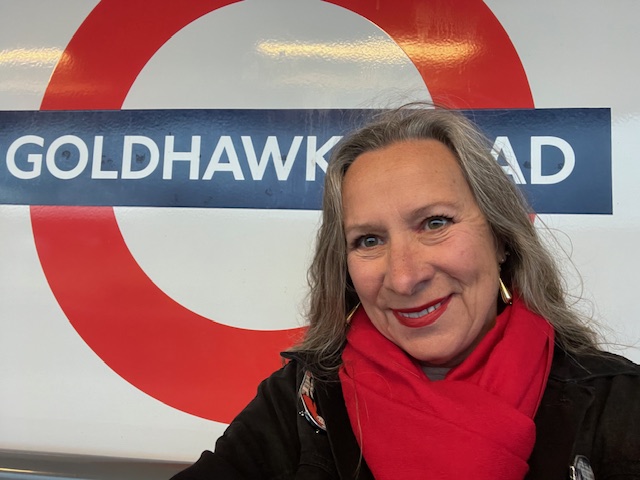
It is a great pleasure to introduce this month’ guest poet Kate Noakes. Kate and I met during the first lockdown on Zoom (a group set up by a fellow poet). Kate Noakes’ most recent collection is Goldhawk Road (Two Rivers Press, 2023). Her website is www.boomslangpoetry.blogspot.com. She lives in Bristol.

Earlier this month Kate’s poem The Sick Spring appeared on the blog. It is from her pamphlet, Chalking the Pavement, published by Broken Sleep Books in 2024. At the heart of the book is Field Notes 2020. Field Notes has 65 entries: observations of life during the first lockdown in the form of prose poems.

I’ve chosen five, from the beginning and end of the sequence. All of them show Kate’s acute attention to detail as she ‘captures the soon-forgotten details of the changes to our lives’.

Field Notes 2020

Children are rediscovering, or discovering, the pleasures of chalking the pavement with hearts and messages of love for the NHS. Hopscotch has the thrill of the new, but neither the girl nor her mother knows how to play it. I look around for a handy stone. None are at arm’s length.

*

The slates pathing my garden are sleek with wet. Dust is dampened. This morning after weeks of early summer-in-spring is a change and a good one. I’ll rest indoors trying not to dwell on my friend’s friend: just two years older than us and dead. All day the blackbirds have busied about the garden in search of nesting materials. Such industry, even in the constant day-drip of rain.

*

My neighbour tells me he’s been scaled back to three days a week with attendant pay cut, yet considers himself lucky; most staff in his firm having been let go, along with eight percent of those in hospitality.

*

A windy day for children to learn or relearn the small pleasure of flying a kite. Prescriptions need at least a week’s notice and the pharmacist tells me there is some drug rationing. We have learned that a life is worth sixty thousand pounds; in case you’re ever wondered. And again there is no surprise in discovering that some people believe rules only apply to others.

*

I want my day to always start with a fishing heron and a cormorant drying its wings on the foreshore near the bridge, the tide running out, and the sun brilliant on the water. White stripes on the river path every two metres are a constant presence that it is hard to ignore.

Saved by bankruptcy

Photo credit: Pieter van Marion, NL

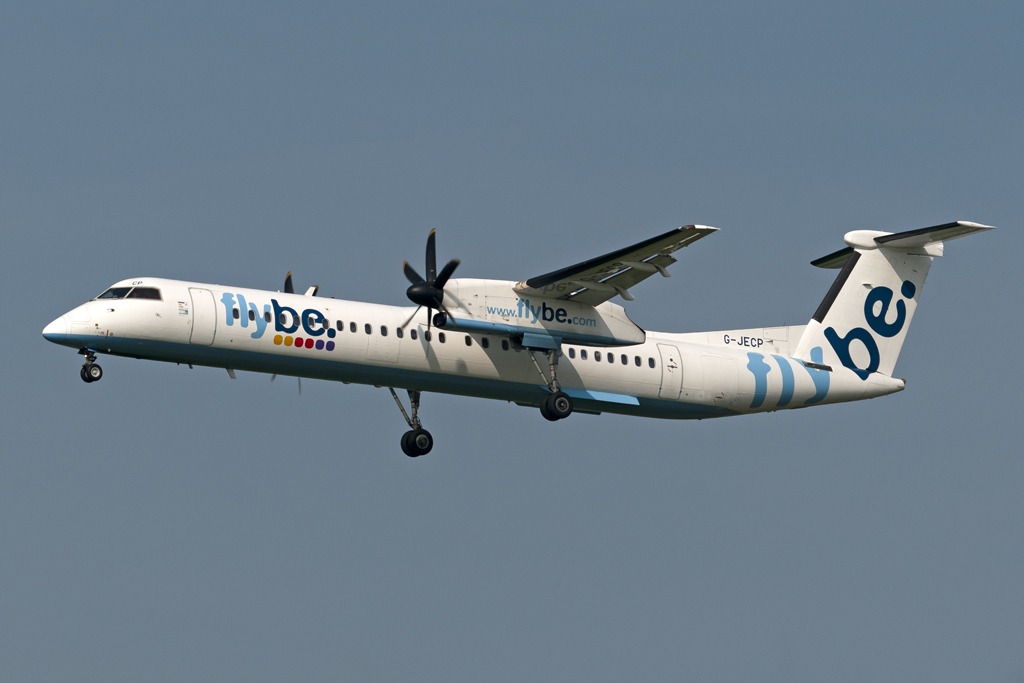
I had booked return flights Manchester – Exeter to visit my poet friend Kathleen. My trip was going to be in the third week of March 2020. On the 5th of March Flybe filed for administration and ceased all operations immediately. I lost £65, but I was very relieved: If I had flown to Exeter, I might well have been stuck in Devon as that first lockdown started…


On Sunday 15 March I learned the British government was considering a compulsory quarantine. The next day I emailed the owner of the campsite asking if I could arrive early. He replied immediately. I booked a flight, transferred money, packed, agonised over which poetry books to take to my ‘desert island’ near The Hague. I flew to Schiphol on the Wednesday. The local buses already had the area near the driver closed off with white-red plastic.


Here are two poems about that first lockdown:

The departure

Half a century condensed into Brexit, pandemic.
At the threat of a four-month’ compulsory
quarantine I fled to my bolthole in Holland.

Six months of safety in a static caravan,
waking to birdsong each morning,
shielded from the sun by the golden elm.
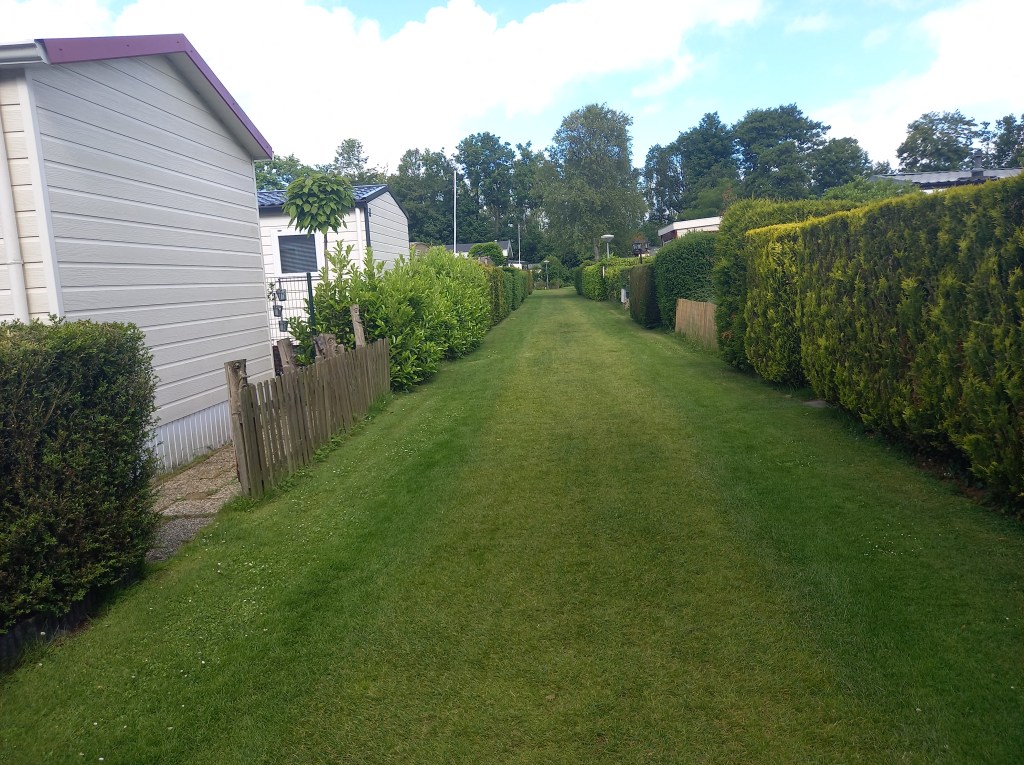
I walked my daily rounds on the grass lanes.

Forsythia, tulips, narcissi, rhododendron,
pyracantha, salvia, rock rose, asters:
the seasons’ steady markers. From a distance
I waved to neighbours finally arriving.

In the cupboard of the spare room
lay the letter confirming my ‘settled status’
on the other side of the North Sea.

The undertakers

A double spread in the paper
features a large photo.

This man, in his thirties, a narrow
horizontal moustache, soft smile.

He sits in a wooden boat, his right hand
resting on a plain white coffin.

People are asked to email text and selfies.
Made into cards, these are placed on the coffin.

He is based in Amsterdam, will transport
you safely through the canals.

That undertaker has just opened a crematorium.
He also owns a chain of hotels.

The pandemic has cut the numbers allowed
to be in the room. There is livestreaming.

People, he says, are glad of it.
The intimacy makes it easier to speak.

At the end of September 2020, the campsite closed. I got a Covid test somewhere in the centre of The Hague and flew back to Manchester.

Late lockdown poem

I wake up and know, of course,
that I am not a morning person.
The sound of rain, of course,
and fewer sirens as people
are supposed to be at home.
My lifelines are the same, of course:
motto, comfort break, medication.
Of course, I think about exercise,
settle for Composer of the Week,
dead, of course.

Marie-Louise Park, Didsbury, Manchester, UK

A postage stamp, Joshua calls it

He’s right and there’s traffic noise
from the main road and people
with dogs on long leads,
but not all the benches
are dedicated to the dead,
Marie-Louise is a pretty name
for a park and the 43 Airport bus
is a hybrid and no-one much
was going to the airport
that autumn: I often had the bus
to myself, both ways.

Friday, 13 March 2020

Tuesday, 3 March 2020

As I was updating the website recently, I was reminded of the lovely interview that Andy N Poet did that very Friday. He came to the flat in Manchester where I then lived. On the 3rd of March I had launched a pamphlet and my second collection at the International Anthony Burgess Foundation. The launch was one of the reasons for the interview. Andy has now done several hundred interviews. You can find them all on Spokenlabel.bandcam.com Here is the link to my interview: SpokenLabel

When I listened to the interview this week, it felt spooky at times. Early February 2020 I had received confirmation of my ‘settled status’. I told Andy that I hoped to spend ‘most of the summer’ in my caravan in The Netherlands, that I couldn’t immediately tell him who my ‘desert island’ poets would be. At one point Andy mentioned the ‘virus’.

Here is a poem about that Friday from Kate Noakes who is our guest poet this month. The poem is from her 2024 Chalking the Pavement published by Broken Sleep Books.

The sick spring

Thirteenth March, a Friday with which comes
a most lauded play, Stoppard’s last contract:
Vienna, and a family succumbs,
fortunes and losses in Leopoldstadt.

I am treated to the stalls by a friend
of a friend, a nice man I do not know.
His cancelled cultural holiday ends
with a short email critique of the show.

I give him scenes, chronology, pictures,
timings avoiding history’s clichés;
how I stepped into busy Leicester Square
with foreboding that hurried me away,

and how I scurried home to a semi-death:
headache, sore throat, cough and struggle for breath.

A tribute

This post is a tribute to my brother Theo who died early on Tuesday morning in hospital. On the evening of Friday 28 June, he went out with his wife Ancilla to celebrate their 52nd wedding anniversary. After a lovely meal he had a fall in which he sustained serious brain damage. I spent time with him on the Saturday. Ancilla and my nephew were with him when he died.


It was only last autumn, when a MRI scan was taken for other purposes, that my brother learned that he had the rare condition of multiple cavernomas. This explains the paralysis and subsequent sudden hearing loss. The poem 1962 was published in my debut collection Another life.


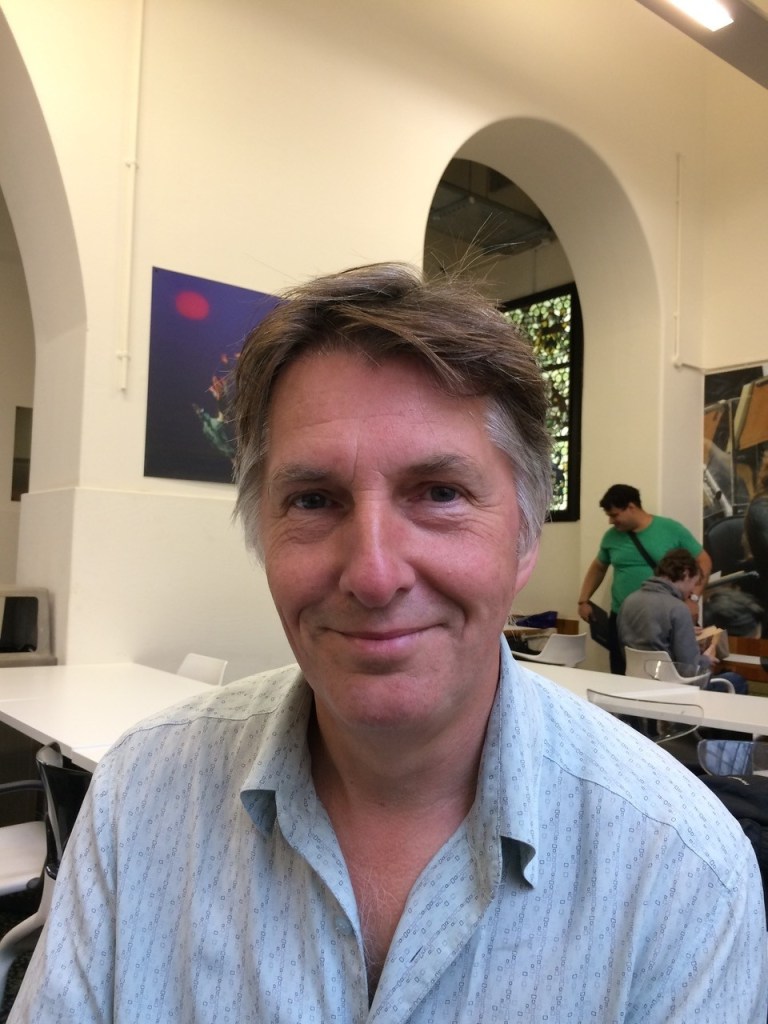
My brother had a rich and full life. The photo was taken in 2019 when he and Ancilla both received honours (Member of the Order of Oranje-Nassau) in recognition of decades of charity and community service.

1962

Alexander Eduard (coppersmith
in the bible and van Beinum,
the famous conductor).
Our Irish setter had been given
the names of an unborn child.

A ward of six, our parent’s daily
drive, almost an hour each way.
Neurologist, paralysis,
lumbar puncture, nausea
.

Grandfather owned an electrical shop
(double-fronted on the main street),
gave my brother a beige-brown radio.

The specialist allowed our red
Irish setter to visit my brother,
celebrating his fourteenth birthday
in the academic hospital in Leiden.

Three months later he arrived home,
just in time for Sint Nikolaas.
My brother still limped and his crown
was marked by two scars at right angles,
the space between dipped and dented.
A few days later grandfather came
to take his radio back.