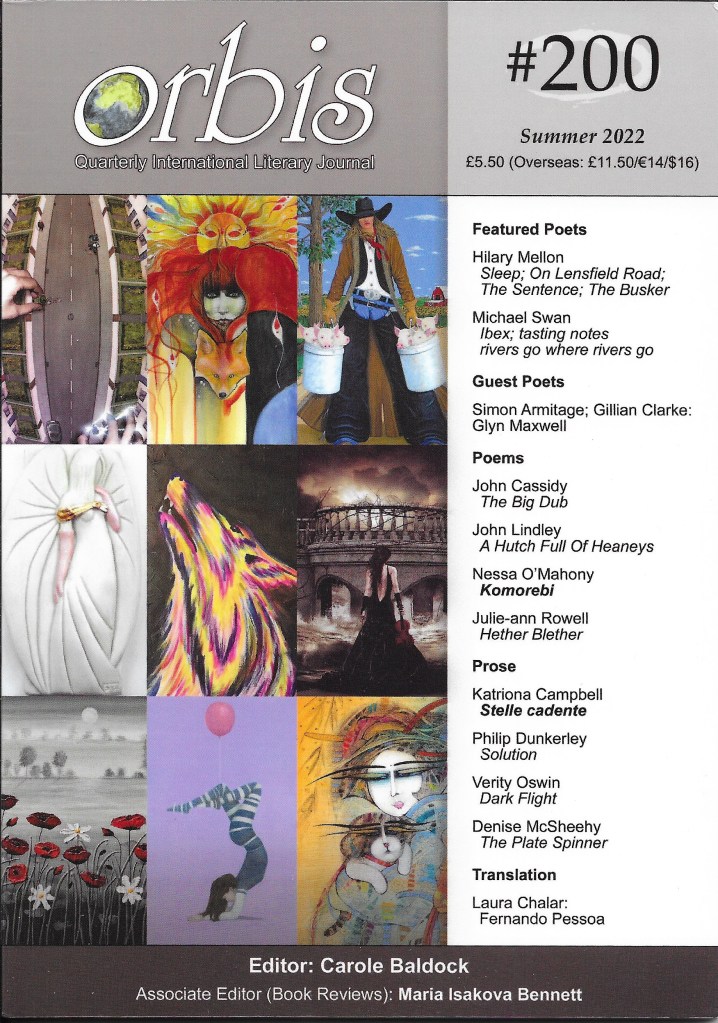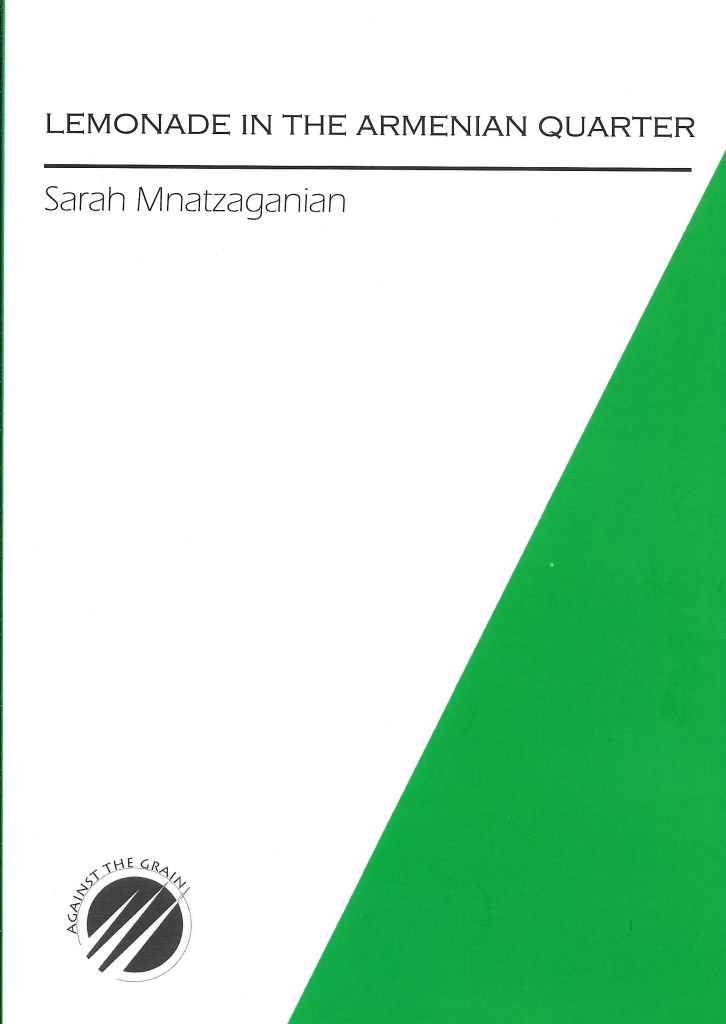
On a rainy Bank Holiday Sunday it’s good to be reminded of old poems and successes. Poems that are accepted for publication disappear into the folder ‘Published’ and into books and magazines that sit together on a shelf. Out of sight, out of mind…
For many years through the 90’s I kept this green A4 certificate with the impressive signatures in a clip frame at the bottom of the staircase. It was a daily reminder that I could write through what was a dark period in my life.
Credit: Public Domain via Pixabay
Games
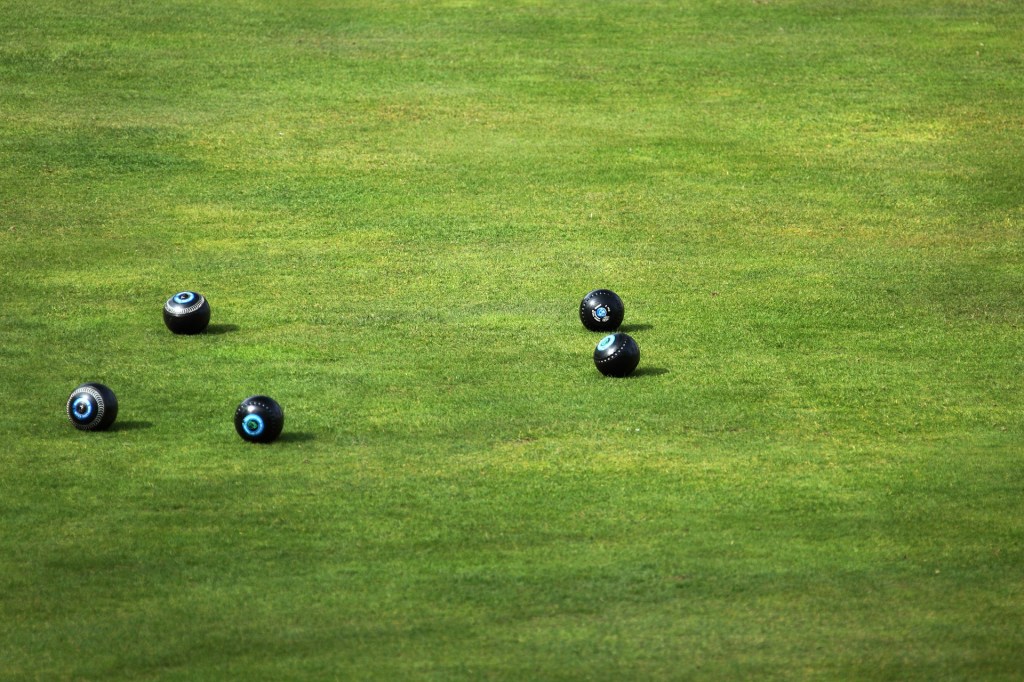
I watched the old men in the park today playing bowls, much the same as yesterday. Smiles all around and gentle teasing by the winners.
I wondered whether at their age you would have needed stick or hearing aid. If your hair would turn to yellow-white or grey.
You never tried your hands at bowls, did you? An old man’s game you called it. Surely, much more fun than kicking up the daisies?
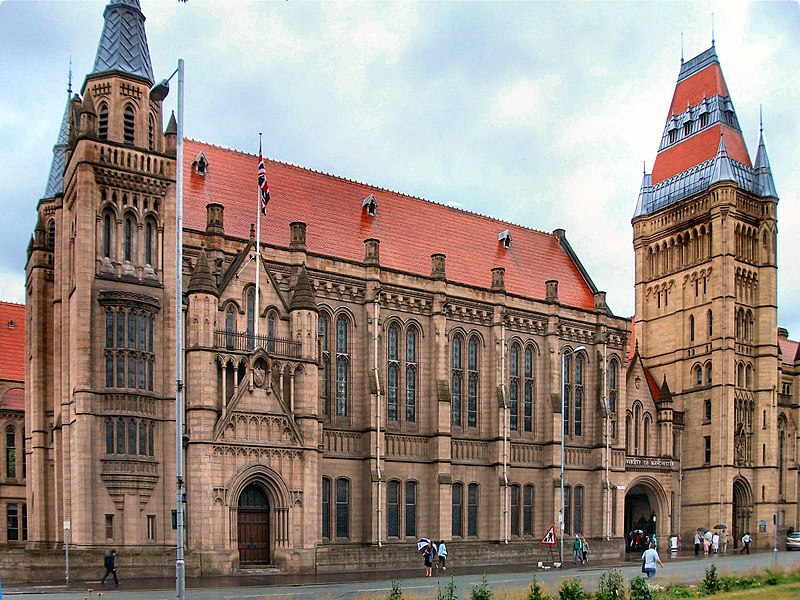
Manchester Museum, part of the Victoria University of Manchester is closed for a 15 million redevelopment. It will open February 2023. Part of the Museum is the Vivarium, home to some of the most critically endangered neotropical species. Some years ago, a good friend became a sponsor and, by way of thank-you, she was invited to bring someone along for a ‘behind the scenes’ visit to the Vivarium.
Credit: Katja via Pixabay
The Department is a key player in the education about, and conservation of such beautiful creatures as the Lemur Leaf Frog, Yellow-eyed Leaf Frog, and the Splendid Leaf Frog. It was thrilling to have the small creature sit quietly in the palm of my hand.
Tree frog
Here is the coolness of its orange feet splayed onto my hand. The slow bulge of its breathing throat. Two unblinking eyes the colour of black Morello cherries.
Fruit & veg, toms, salad, mayo, salmon, ½ loaf … I’ve not yet managed to write a shopping list in Dutch even when the words are shorter (sla) or similar abbreviations (gr & fruit). It’s too much hard work late on a Thursday evening when I’m sitting with a glass of wine (wijn) and contemplating the moving project: flooring, top-down & bottom-up blinds, two chairs – ordered; research on fridge/freezers needed, also a new GP practice and pharmacist.
Here in the Netherlands the distance is important: the GP must be able to get to your home within 10 minutes. That doesn’t mean it’s easy to register. In Scheveningen (where I spent the winter) three practices did not take on new patients or had a four-month’ waiting list. A tomato a day may keep the doctor away …
Tomatoes
I am stepping away from my life, my life as short as a haiku. I have turned biographer, am writing vignettes, pale green, the length of celery.
My vignettes may concern elderly mules with dental decay, the struggle to remember maternal aunts. I am numbering my vignettes 1A, 1B, 1C, 1D – narrow seats in the small airplane Aer Lingus would use on the late Saturday flight.
I could write a vignette about the plastic dummies they use in ambulance training. Today I’m going to focus on pretend tomatoes. My invisible friend has started her new diet.
On Tuesday evening my local Stanza poetry group held it first ‘live’ meeting since the start of the pandemic. It was a hybrid session which worked very well: some poets in the station bar of Stalybridge station, some of us at home in the UK and abroad. I was pleased that I could take part. I have also joined the Groningen Stanza here in The Netherlands which alternates live and Zoom meetings.
I saw fresh rhubarb at the supermarket yesterday which reminded me of another group I used to belong to in Manchester. My third poetry book is dedicated to Elaine, Hannah and Jackie; here is a poem written in a back garden in Chorlton-cum-Hardy, Manchester.
Laughter
The laughter swaying across the lettuce, strong knotted rope in the old Bramley tree. A grandmother sits quietly in a wooden chair; she counts knitting patterns in her head.
The dappled shade is a cool alleyway between her life and her daughter’s world. Laughter slides away from them, low down across the grass; it hides between the rhubarb and redcurrant bushes, waiting until night time for the moles to come up and breathe into it. Yesterday’s laughter a small pile of earth.
(published in Another life, Oversteps Books, 2016).
Yesterday I talked with friends about Cambridge. That brought back memories of a one-week workshop at Madingley Hall with the poet Lawrence Sail. Madingley Hall is a 16th Century building just a few miles from Cambridge. It is set in seven acres of splendid gardens and grounds, designed by the famous Capability Brown in the 18th Century.The weather was good the week I was there and we would all find a quiet corner outside and get writing.
Credit: Pasja1000 via Pixabay
Writing prompt
One of the exercises was about personification. We mentally went through the alphabet and stopped at a letter that resonated with us. What kind of life does that letter have? What do they want and what is difficult for them?
The poem Trying was published in my debut Another life (Oversteps Books Ltd, 2016).
Trying
Trying not to be like one who has gone before. Allocated a slot at the back of the queue: a circle dancer with a club foot.
Striving to become the symbol of perfection. Dragging a tail, leaving tiny furrows on the rough terrain.
Trying then to hide in foreign places. Archaic words spoken with a twang: Qua, quorum, quota, quasi.
It is three years since the poet Matthew Sweeney died. I was fortunate of having a whole week with him at the wonderful Almassera Vella, Spain in 2006. I learned a great deal. The photo was taken in the garden by the infinity pool.
One of my favourite books about writing is Teach Yourself Writing Poetry. It was written by Matthew and his friend and poet John Hartley Williams. It is packed with exercises, and I love the book because in between the exercises there is dialogue, chat, discussion. I can hear their voices as they talk (I’m sure over a glass of wine). Wit and poignancy.
Prompt:
The Hermit was written on a workshop. We were given Sweeney’s poem The Shoplifter and asked to think about someone with an unusual occupation and what life would be like for them when they retired. Both the shoplifter and hermit now live by the sea. Sweeney’s shoplifter has ‘fronds of marijuana’ outside, has ‘learned the use of coins’ and has a use for all those books:
His books come in useful now as each time he has shinned
with an aerial up the chimney Viking wind has ripped it down.
The Hermit
The hermit had to be retired for health and safety reasons.
He was flown out of the desert, given a dictionary and glasses.
He is renting an old longhouse, leaves doors and windows open
so he can smell the cool air, but still he cannot sleep.
The postman was his first visitor. Mail lies piled up by the gate.
The grains of sand on the beach make him feel homesick even now.
By the light of a candle he may be able to look in the mirror, but not yet.
(first published in Another life, Oversteps Books, 2016)
This month I am featuring poems by Martin Zarrop. We met some years ago through the Poetry School workshops and are also members of one of the Poetry Society’s Stanzas. I start by congratulating Martin: the 2021 Cinnamon Press Pamphlet competition got 450 submissions. The results came out a few days ago – Martin’s manuscript was in the top five!
Martin is a retired mathematician who wanted certainty but found life more interesting and fulfilling by not getting it. He started writing poetry in 2006 and has been published in various magazines and anthologies. He completed a MA in Creative Writing at Manchester University in 2011.
His pamphlet No Theory of Everything (2015) was one of the winners of the 2014 Cinnamon Press pamphlet competition and his first full collection Moving Pictures was published by Cinnamon in 2016. His pamphlet Making Waves on the life and science of Albert Einstein was published by V. Press in 2019. His second collection Is AnyoneThere? was published by High Window Press in March 2020.
The five poems are all from Is Anyone there? Where Martin’s poems refer to science, they do so in an accessible way, often poignant, often with humour. Like Martin, I first came to Manchester in the early 1980s – a place where now around 200 world languages are spoken. I hope you enjoy this selection.
Sci Fi
The aliens are coming. I can see them flicker in the flames as I stare into the coal fire and my mother asks me if I’m happy. Has she been taken over by Martians? I must take care not to fall asleep.
And here I am covered in mud. The invisible predator can’t see me as I try to leave the exam room. Failure isn’t an option but the exit signs are hidden under ectoplasmic goo. The ice cream man ignores my screams.
It is bursting out of my chest cavity, this other me I don’t want to know. Why is my name missing from the credits? Perhaps I didn’t wait long enough for the Z’s. Out in the foyer, zombies are waiting for the next show.
First Impressions Manchester 1980
People talk to you here but not in English and the rain is cold on the grim streets that run for their lives past empty Victoriana, lost empires.
At night, the city strips to its bones, lies unwashed in the glow of fag ends, crushed and dying among claggy debris, northern mouths.
published by The High Window
Missing
She must be in here somewhere. He turns another page and stares at shapes, the outline of a face and almost smiles. The hair’s not right, he says.
Under his thumb, images move, some not even close to human. This one looks like a centaur, this a lion. He knows how much he wants her but he struggles to join the dots.
Across the table, the astronomer, sympathetic despite the late hour, is accustomed to darker matters. Try this one, he grunts, and opens another star catalogue.
Hands
UK’s first double hand transplant awoke from a 12-hour operation with two new sets of fingers (Guardian 23.07.16)
It’s not like wearing leather gloves. This is for real, the weld of tissue, bone to severed stumps; white flesh imbibes the ruddiness of life, then shudders at an alien command –
a finger twitches. It displays no loyalty to donor meat, no tear or thought, no dumb relief not to be ash, no memory of goodbye waves, past loves held close.
The patient chews his nails, flexes each knuckle as if born to it, admires blotches, childhood scars from scraps he never fought, holds out his hands.
To My Nineties
You’d better get your skates on or at least your boots and get out there, old dribbler, before it’s too late.
I may not meet you in the hills struggling through Kinder peat. Thirteen miles, fifteen? No problem!
Or so I thought as hair thinned and Christmas followed Easter as if in a time machine that ate old friends for breakfast.
You stand patient near the finish line as I pull myself up for the final sprint. Nothing lasts forever, not hips, not brain cells. I need a project.
On Friday I had my second vaccination (Pfizer). I have felt ok, a bit tired and feverish. By way of a treat, a good childhood memory.
The “selling fur coats” took place in Amsterdam, in Maison de Bonneterie: a small chain of high-end fashion stores. The building in Amsterdam was designed by a well-known Dutch architect with an interior in the style of Louis XVI (the Sun King of France), an imposing staircase and a glass roof.
It closed in 2014, after 125 years of uninterrupted service to the elegant public. The Amsterdam store is a national listed building and now used as a location for events.
Saturday mornings
We’ve been waiting in silence. It’s just the three of us. Mother’s away in a city, selling fur coats. The radio crackles, but here comes father with blue beakers, hot chocolate, curled cream on top, and the bread he has baked on his day off.
Tomorrow he’ll be on the balcony playing the organ; we’ll be below. Today he is the son of a master baker. We’ll have the bread with butter and jam, red strawberries, shiny against the golden crust.
It is March, so here is an example of personification. It comes from a workshop: we were asked to choose a month and write about it, as though it was a person. Do you see March as a man too? Does his emotional state reflect typical March weather?
March
He is a man with a frown,
walking in a military
manner. He is the eldest
son of a Rossendale baker, who
married young and placed his hopes
on other people’s shoulders.
He studied accountancy at a redbrick
in the Midlands, ironed shirts himself,
lost his accent, met a nurse
in town one night, got drunk,
a lower second degree, a baby,
a small semi in the suburbs.
Last year he didn’t get a rise,
didn’t get promotion either.
He thinks about renewing insurance,
calculates the cost of divorce,
puts his hands in his pockets and
strides over the zebra crossing.
He often feels like going crazy, going
off with a woman half his age, living
in the south of France, but he walks
back to the empty house, hiding
under a large black umbrella,
cursing under his breath.
Tomorrow is the publication date of my second collection Nothing serious, nothingdangerous. The book is already on Amazon and has been available for pre-publication orders from Indigo Dreams Publishing.
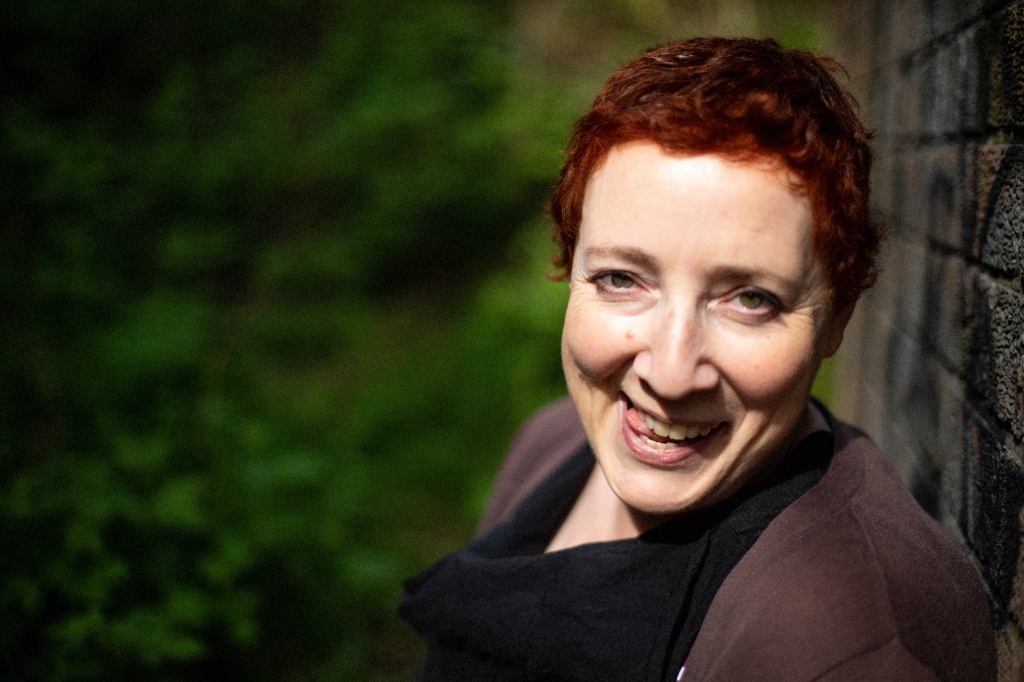
The publishers have selected six accessible poems for the author page, and the author photo is by my nephew Ted Köhler who lives in the Netherlands and is beginning to build up a photography portfolio. The end of November is too close to the festive season for an official launch. That will be here in Manchester, at the International Anthony Burgess Foundation on Tuesday 3 March.
The title was inspired by a Raymond Carver poem called My Boat. Raymond Carver is one of my all-time favourite poets. Someone I return to when I feel stale and in a negative frame of mind.
The poem Why are we in Vietnam? was written on a workshop at the wonderful Almassera Vella, Spain. We were to find any book in the library, open it at random and use a few lines as a starting point for a poem. Then we were to imagine finding a postcard inside the book. Where was the postcard from? What was written on the back? Who had sent it? I picked the paperback because of its intriguing title. It’s by Norman Mailer. I was surprised to find the lines and I imagined there would be an art card inside, a card I’d bought and forgotten about. It’s a reminder how working with “found” materials can easily trigger our creativity. The poem was commended in the 2016 Havant Open Poetry Competition.
Why are we in Vietnam?
It has held up the broken leg
of a single bed in the attic.
Everything is dusty now.
Who brought this Panther
paperback into my life?
Then the trail of the blood
took a bend, beat through dwarf alder.
The postcard isn’t of Cezanne’s gardener
seated upright in his chair,
or Venetian gondoliers.
Didn’t want to die in those woods,
wounded caribou…
Green lines, black dots,
small yellow triangles,
Miro’s insects and birds.
Neat black lines for the address,
the black box for a stamp.
To the left white space,
the white space of that Alaska.