Celebrating a decade of blogging: 4 published poetry books (3 collections, 1 pamphlet), a Northern Writers’ Award; 360 blog posts, 117,508 words, including 89 guest poets; 52,500 views (increasing from 1,314 in 2016 to 9,600 so far in 2026); 33,900 visitors, 4000 likes. All that without AI…
I was delighted when Oversteps Books decided to consider Another life for publication. It was competitive: no guarantee they’d pick my manuscript.
Anxiety took over. ‘I need a website; I need to look like a serious poet’.
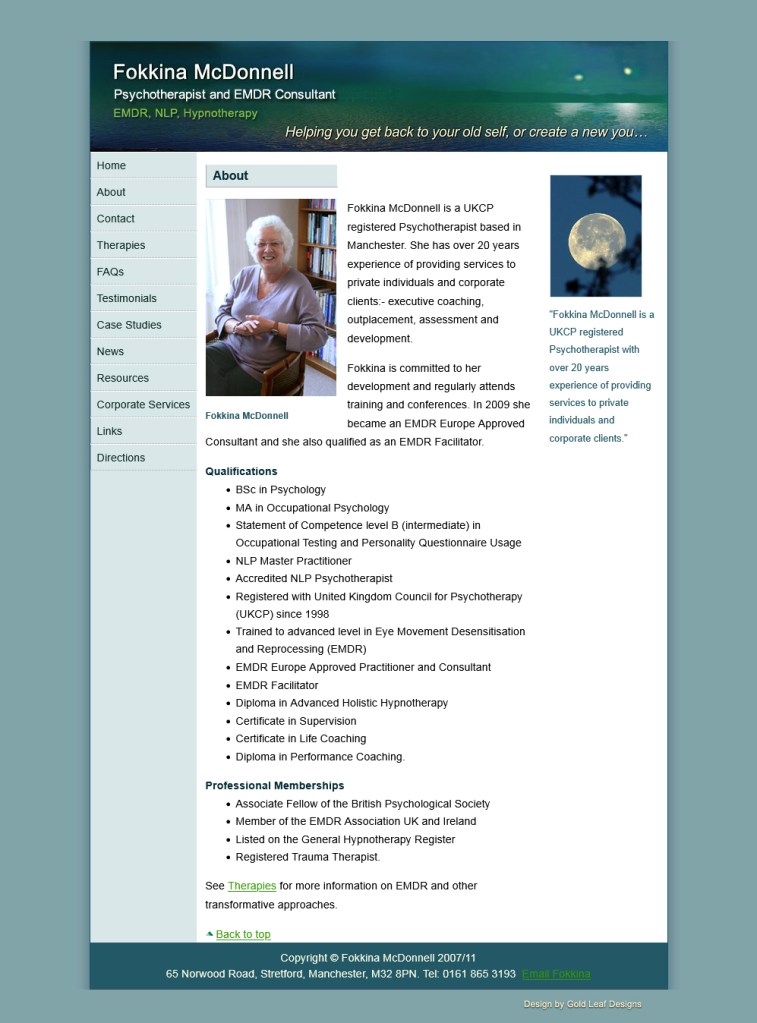
Fortunately, I already had a webmaster. Sophie Brown had designed the website for my consultancy and psychotherapy practice nine years earlier and helped me to keep it going.
Both of us are creatives with a business/consultancy side – so, we’re often on the same wavelength. Over a busy Easter weekend, Sophie and I finalised the website for acaciapublications.co.uk together in 2016. An obsessive search for just the right picture of a giraffe…
Just before the Covid lockdown, Sophie was at the launch for my second collection Nothing serious, nothing dangerous. The cover is the painting The Departure by Sophie’s late father.
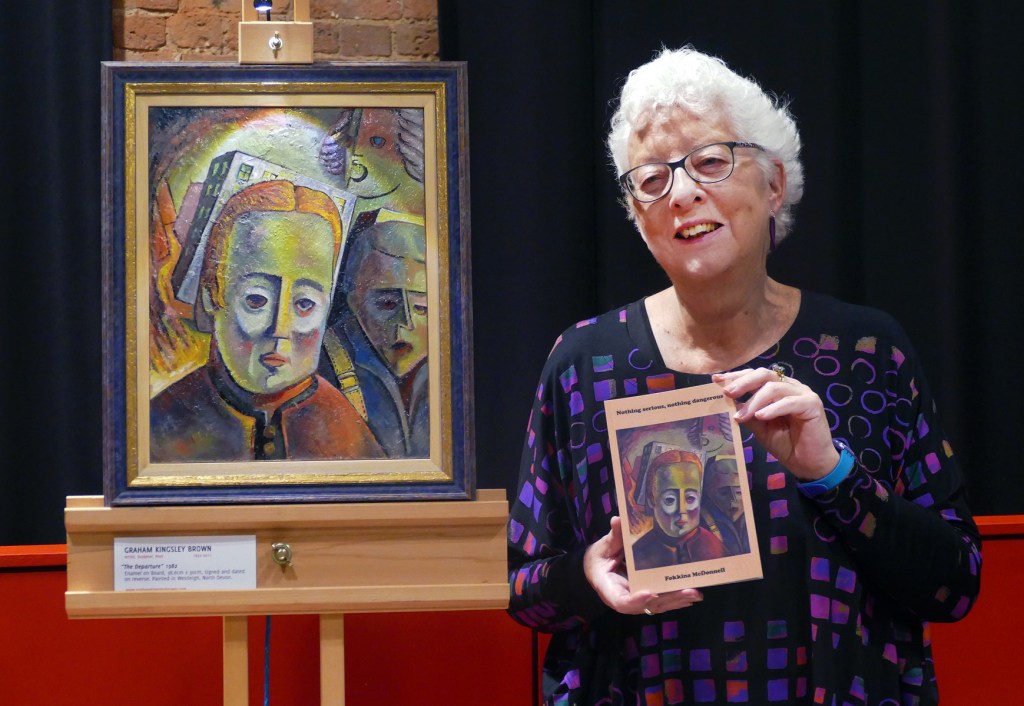
I am grateful to our mutual friend H. for making the introduction all those years ago. A couple of times each year I still check in with Sophie: for technical advice and to explore if the website still fits with my current goals.
A huge ‘Thank you’ to Sophie, who deserves the limelight today.
Sophie Brown
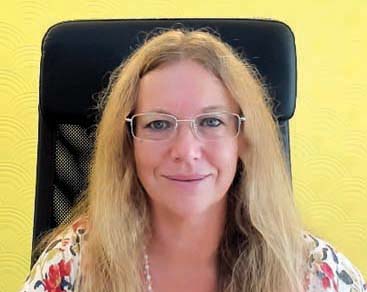
I did design the visual style and infrastructure for the acacia publications site, and we’ve had many conversations about its purpose and dealt with technical issues. However, all the hard work – writing content over the decade, persistently creating regular blogs, meeting people, inviting guests, editing the site – is, of course Fokkina’s. Something to celebrate indeed!
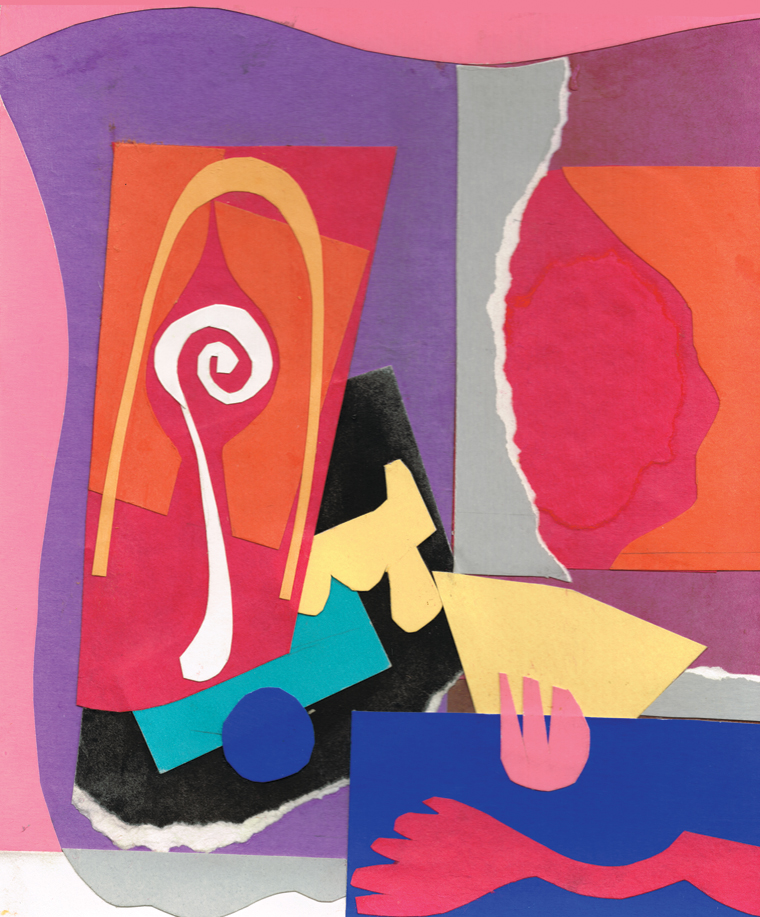
I was fortunate to inherit a proclivity for creative thinking, a good eye for design and practical art skills from my artist father Graham Kingsley Brown, whose varied work in painting, sculpture, design and poetry I have had the pleasure to bring to light in recent years at https://www.grahamkingsleybrown.co.uk.
Professional life
This innate impulse took me on an evolving path through art history, painting and design, to becoming a professional Landscape Architect designing landscapes, and from there to developing skills in “thinking”, whilst being Creative Director for The Edward de Bono Foundation UK. That led to co-founding Company of Mind with Adrian West in 2010, where I design thinking programmes, with graphics and techniques for the “canvas of the mind”. We’ve facilitated thousands of people to work together using systematic techniques to shift perception in order to successfully come up with new ideas and strategies.
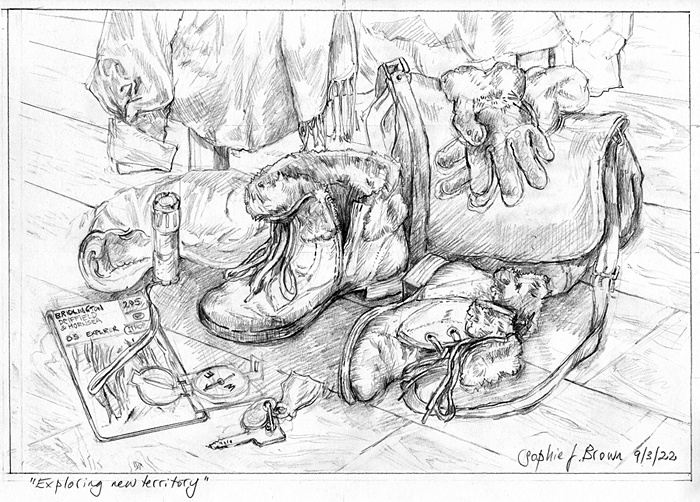
Moving to the East Yorkshire coast from urban Manchester 5 years ago has brought a new lease of life with different conditions, as moving to the Netherlands has done for Fokkina.
Each day, year, decade brings the opportunity to explore fresh inner and outer territory in our chosen means of expression. What is crucial, as Fokkina has demonstrated, is a consistent practice paired with a responsive approach.