Tag Archives: Travel

Poetry in Aldeburgh

Scheveningen, S Hermann/F Richter on Pixabay

On Monday, my journey to the other side of the North Sea involved five different modes of transport: taxi from Aldeburgh to Ipswich, National Express coach to Standsted Airport, Easyjet flight to Schiphol, Intercity to Den Haag Centraal, tram to the flat. All clockwork, no delays. It was dark when I got back home.


Taking part in the ‘live’ Poetry in Aldeburgh Festival has been a joyous experience. The highlight was the reading Our Whole Selves with poet friends. Poet Kathy Pimlott and I wrote several blog pieces about the readings, workshops, performances, open mic. These will soon be on the official website. A big thank you to the small organising team which managed to arrange a wonderful programme.


The poems I read were from my new collection Remembering / Disease, published by Broken Sleep Books last month. I opened my set with Nautical Miles (from my collection Nothing serious, nothing dangerous). When I looked at an old photo, I saw that only Hoek van Holland is ‘less than a hundred’ nautical miles. Good reminder that poetic truth matters more than the accurate facts…

Nautical miles

Outside the Sailors’ Reading Room, the sign:

thin wooden planks, painted white:
Den Helder, IJmuiden, Hoek van Holland.

Across the horizon, they are less than a hundred
nautical miles from Southwold in Suffolk

where the narrow beach of pebbles –
grey, brown, black mostly –

is held together
by couplets of groynes, slimy green.

Both our languages have the word strand.

Note: The Sailors’ Reading Room, Southwold is a Grade II listed building from 1864 and still a refuge for sailors and fishermen.

In Aldeburgh: Poetry

Haibun


Yesterday’s journey: comfortable Eurostar from Rotterdam Centraal, a sit-down at Soho & Co, Liverpool Street Station for food. The unexpected ‘red signal’ at Colchester turned out to be ‘waiting for British Transport Police’. They escorted a couple off the train. Missed connection at Ipswich gives an unexpected hour to mull and ponder. The friendly taxi driver from A2B and warm welcome at The White Lion where the bar is still open.

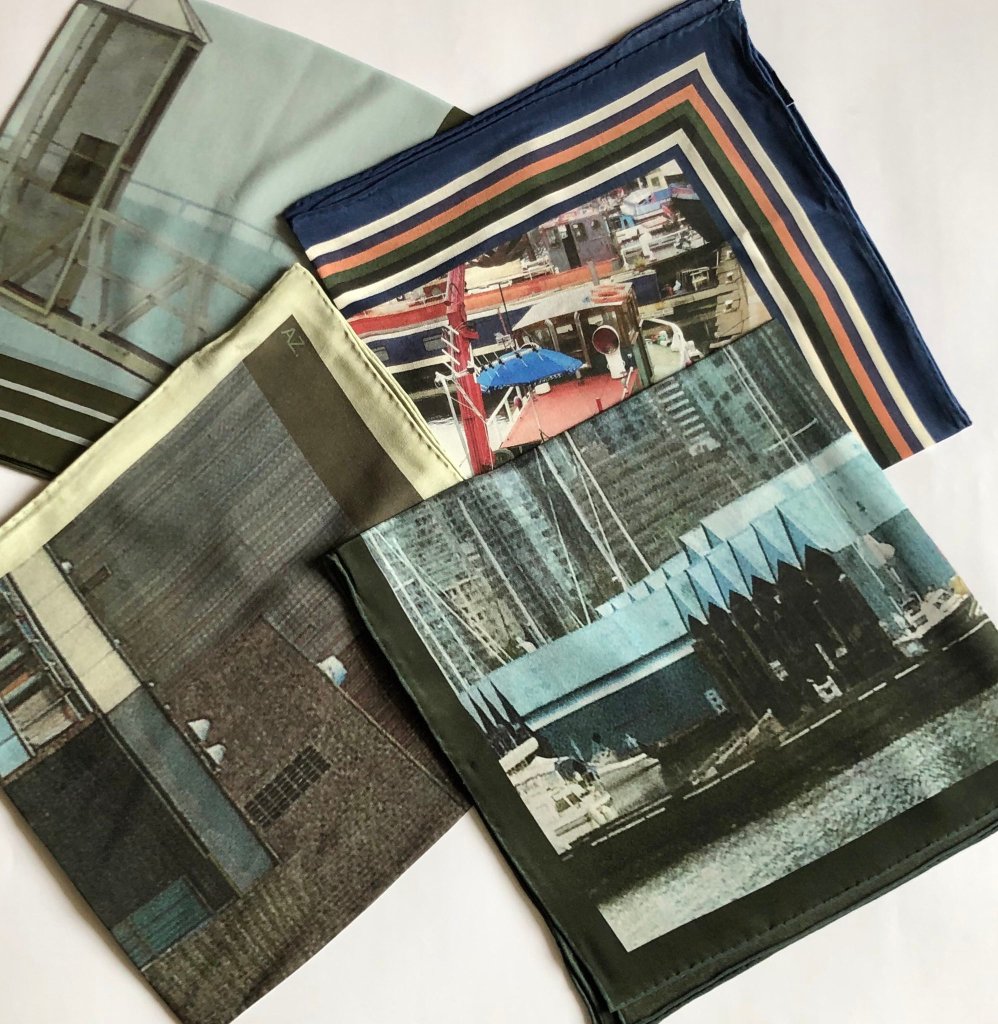
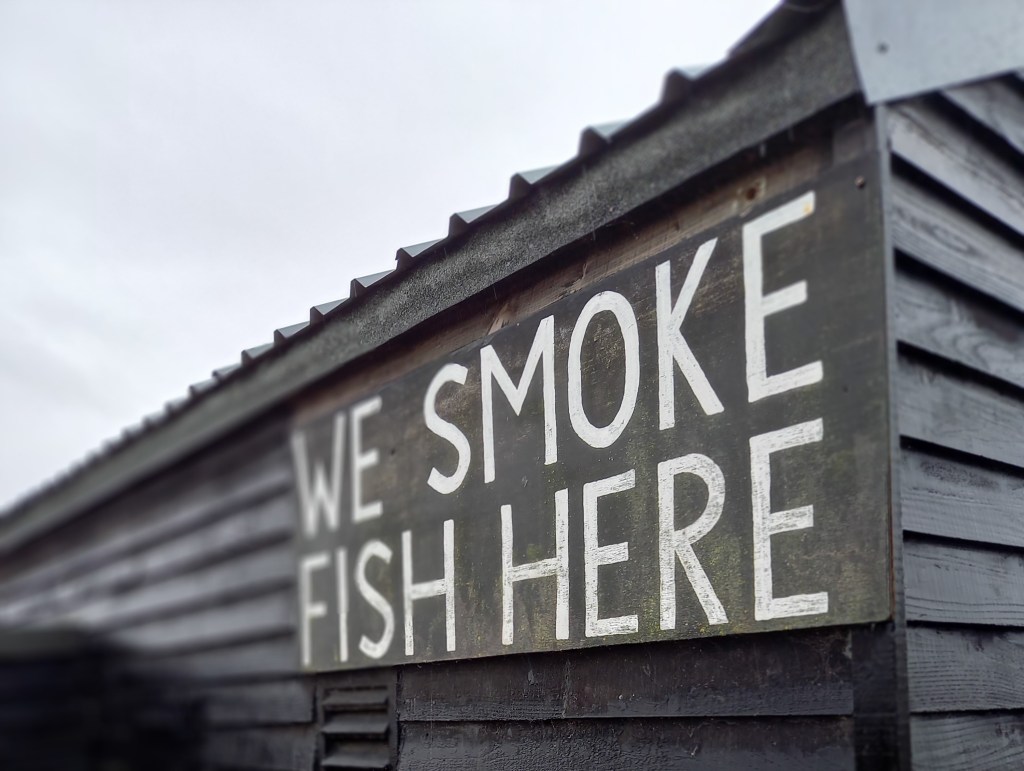
we smoke fish
open
we catch raw words

An egg does not fight a rock – Malagasy Proverb

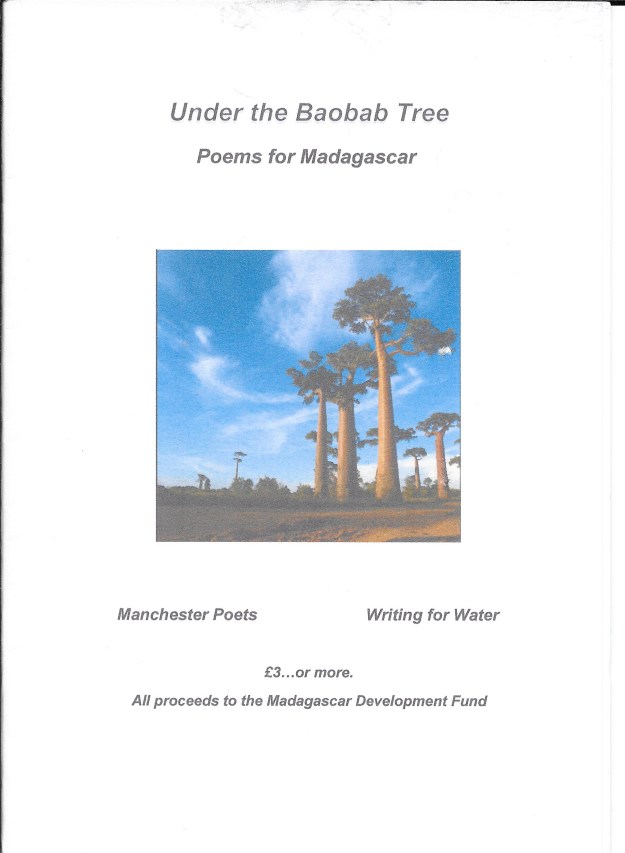
Sorting out boxes with books that moved with me from the UK, I found this small pamphlet. Manchester poets Steve Waling and Francesca Pridham edited poems by members of Manchester Poets. Copies were sold at the Didsbury Festival to raise funds.

Here Fran tells us about her connection with the Madagascar Development Funds and shares some wonderful proverbs – writing prompts for your poems, flash fiction, short stories.

Madagascar

“My first contact with Madagascar came in 2013, when my husband, interested primarily in the country’s unique wildlife, persuaded me to take part in a trekking holiday there. The scenery is awe inspiring. A melting pot situated between Asia, Africa and Australia, Madagascar is the mysterious land of the ancient baobab tree, a land where pachypodiums thrive, the cat-like fossa hunts and lemurs swing from tree to tree. The most revered lemur, the Indri’s strange call wails through the rainforests, echoing the ancient isolation of the island.

The people

Despite this beauty, what however most caught my heart were the people. There is little infrastructure in the country and most villages consist of a small collection of adobe houses made from the spectacular red mud that Madagascar is famous for. The people have nothing, just the land they live on and any livestock, such as chickens or the zebu cattle that represent their wealth. Their generosity and welcome though is infectious. I gave a biscuit to a small child, four others appeared instantly, and the biscuit was shared immediately.

Credit: Puabar via Pixabay

Water

Their water supplies are often limited to streams that trickle into small muddy ponds, polluted sometimes by cattle who too have to use the water. Standing by the side of a small dirt track nearing the end of my trekking holiday I drank thirstily from a litre bottle of water I’d brought with me. Staggering down the track was an old man with his grandson, pulling and pushing at a makeshift trolley, carrying four battered plastic water containers. They had walked five miles to the nearest water supplies and were coming back to the village. 

Credit: via Pixabay

The Madagascar Development Fund

When I returned to England, I started raising money to develop water supplies and build wells in Madagascar. We are lucky enough to work with The Madagascar Development Fund, a small charity run by the ex British Ambassador to Madagascar and have provided enough money now for four wells. The charity specialises in small projects which because of the charity’s experience are achievable and can bypass the complicated political situation in the country. 

We have been lucky enough to attend the opening of one of the wells where we were welcomed into the village by singing, dancing, and drumming. We were given a welcome feast and a poem, written specially for the event was read by a young man, resplendent in what looked like a doctor’s white coat!

Malagasy Proverbs

The Madagascan culture is infectious!  Their proverbs or ohabolana capture the learning and wisdom of centuries, inspiring both thought and writing! Enjoy the poems they produce!”

Truth is like sugar cane: even if you chew it for a long time it is still sweet.
Words are like eggs; when they are hatched they have wings.
Like the chameleon keep one eye on the future and one eye on the past.
Let your love be like the misty rains coming softly but flooding the river.
Those who know how to swim are the ones who sink.
Don’t be like a shadow: a constant companion, but not a comrade.
An egg does not fight a rock.
Only thin dogs become wild.
A canoe does not know who is king: when it turns over everybody gets wet.

First lines – writing prompt

Matthew Sweeney

We’re staying with the Writing Poetry paperback that Matthew Sweeney and John Hartley Williams wrote together for the Teach Yourself series.


In Chapter 12 they’re looking at first lines of contemporary poems, and the need to hook the reader:


Someday I will go to Aarhus
Hitler entered Paris the way
The strangest thing I ever stole? A snowman.
Brethren, I know that many of you have come here today
We gotta make a film of this, Jack.
After she left he bought another cactus.


All these lines are intriguing, but they work in different ways. The first is a vow, then we have the first half of a comparison that the reader needs to complete. The third is a question with its own answer, followed by a resolve in dialogue. Number 6 is a story that begins in the middle.


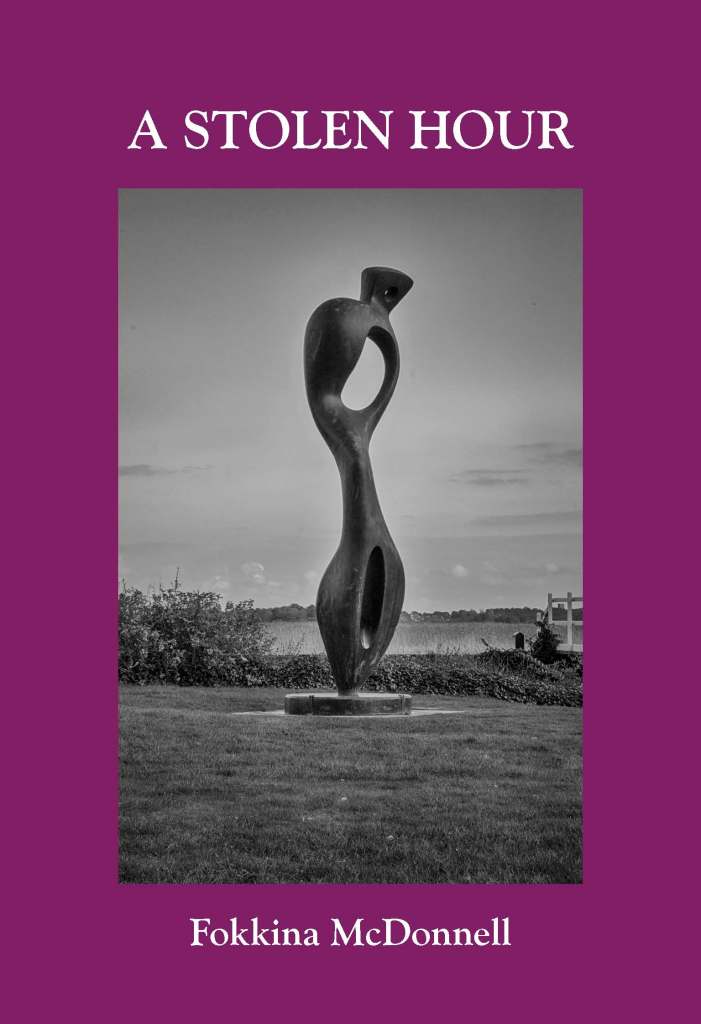
Here are first lines from some of the poems in my pamphlet A Stolen Hour (Grey Hen Press, 2020):


For just one minute of the day
If we were strangers,
His binoculars rest on the windowsill.
The week before I’d given my pleated dress away.
Bedrooms are for hiding white.
One hour was stolen from the time
I am the last stonemason.
Date of refusal decision: 13 September 2017


What do you think? Which is the one that intrigues you most and why? Feel free to use them for your freewrite, your ink waster. If you get a poem or flash fiction from a line, I’d be pleased to know!

the small manoeuvres – poems

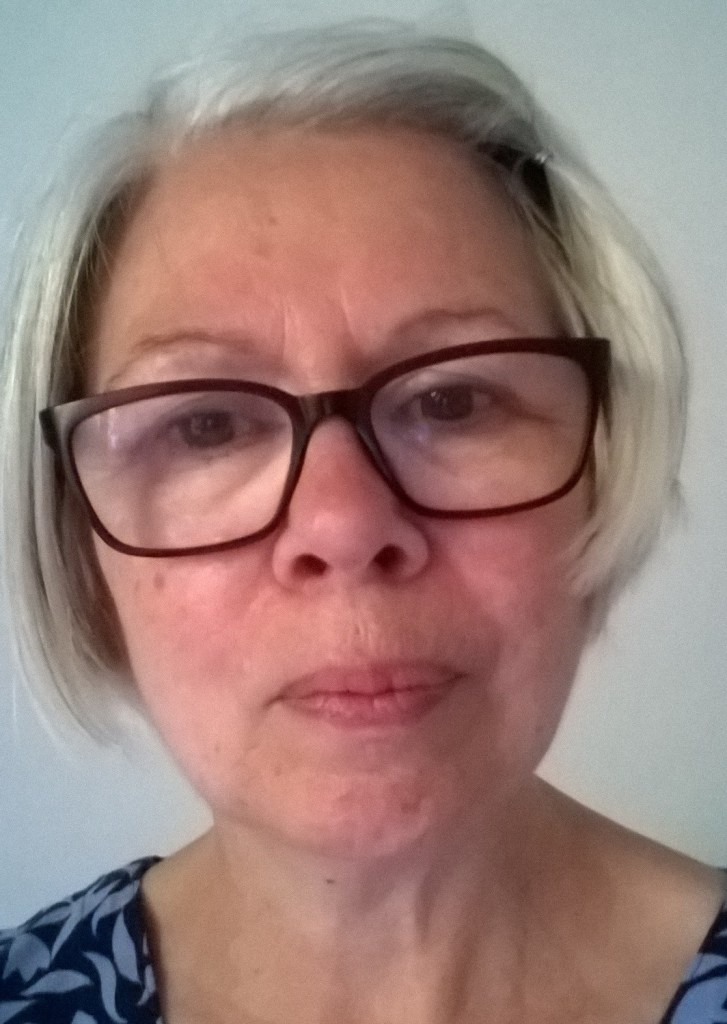
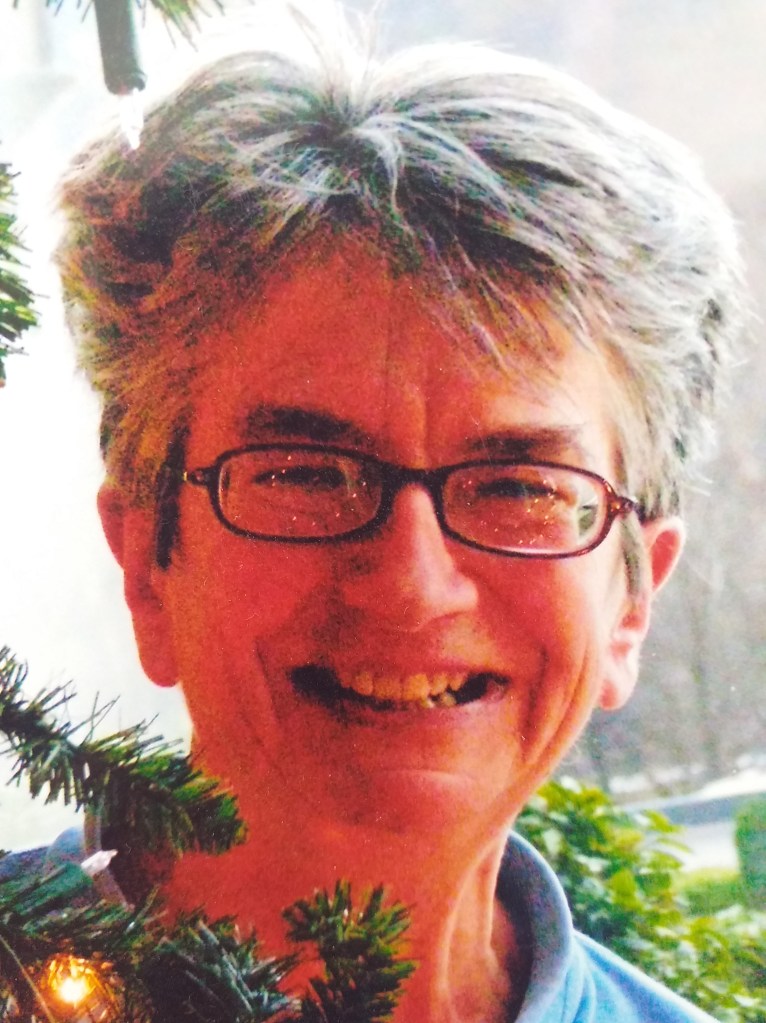
I’m delighted to introduce this month’s guest poet Kathy Pimlott. We met a couple of years ago on a residential workshop and are both members of a small group that meets regularly online.

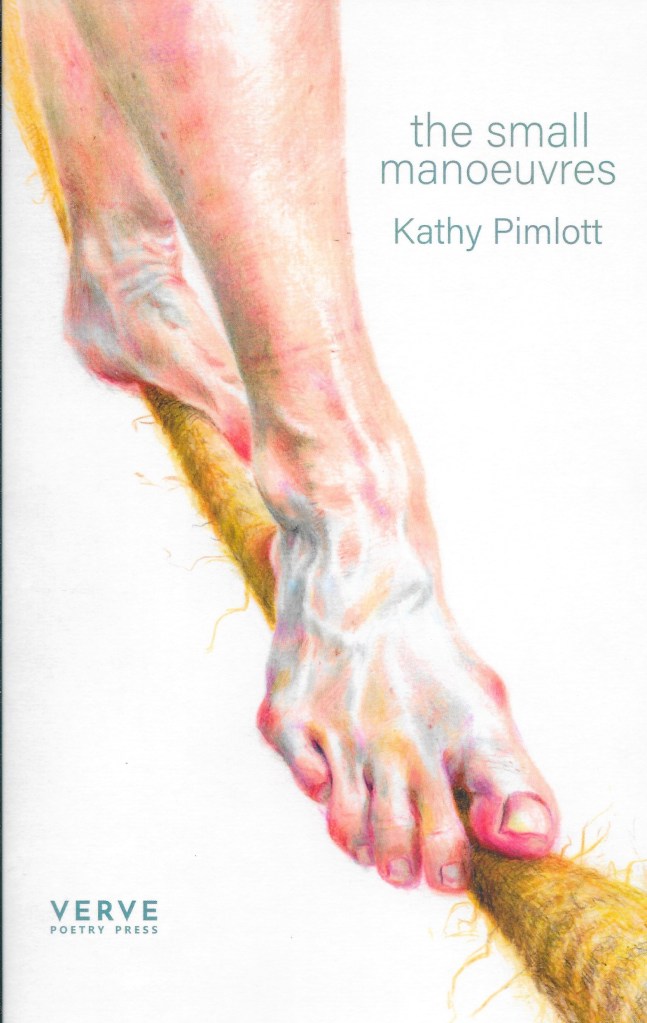
Kathy Pimlott’s debut full collection, the small manoeuvres, (Verve Poetry Press) was published in April 2022. She has two pamphlets with the Emma Press, Goose Fair Night and Elastic Glue and is widely published in magazines and anthologies. She lives in Seven Dials, Covent Garden, London.

The splendid cover is by Sharon Smart, a London-based artist (www.sharonsmart.com)
Many of the poems have intriguing titles. Here are a few examples:

  • the Baby in the Wardrobe
  • Three Men in a pub, probably, they made it happen
  • Some Context in Mitigation
  • Apple Day: An Apology

I have chosen four poems which demonstrate Kathy’s ‘immaculate eye for the juicy, telling detail’, her tender-dry wit’ (Claire Pollard). You can find more of Kathy’s work on her website here.

The Grand Union Canal Adventure

We three old girls, fractured
by the usual losses, aren’t mended
Japanese-style with precious seams
that make each fissure sing,
but rivetted: serviceable, not art.

To prove our mettle, we choose
to chug along the old Grand Union,
moor by fields of roosting geese
to sway in darkness on the water’s
shallow, dreamless shift.

Forty feet above the Ouse, I’m left.
The others go below to show me
I can, despite my doubts, skipper us
along the strait way of the aqueduct,
not falter, step back into empty air

down into the river’s wilder waters.
On a narrow boat there’s no choice
but to make the small manoeuvres
that trundle us over the drop and on,
now and again to know the satisfaction

of a perfect approach to a bend.
Shins bruised, knuckles scraped raw,
we tie up, step ashore to climb the hill
up to the Peace Pagoda, so golden,
so unlikely, outside Milton Keynes.

Small Hours

In one of the many ways I’m guilty,
I cursed my baby to a life of broken sleep,
laying my hand on her back, lovingly
rousing her to check she was still alive.

Now when I creep in in the dark to feel
her breathing on the back of my hand,
my mother stirs from her merciful sleep,
asks what time it is. For when I’m not here,

which is mostly, I bought a special clock:
press once to hear the time and once again
for day and date. But tonight I am, carry
her hearing aids to their cradle to charge.

One buzzes on my palm and I think I hear
a faraway voice, an urgent message
just out of earshot. Now that she can see
nothing by looking, all the looking things

are done with, leaving only the voices
of talking books, their complicated family
crochet work, sagas of poor girls’ privations
bravely overcome and a clock saying 3.45am.

Going to the Algerian Coffee Store: 500g Esotico

After the bin lorry has exhausted its beautifully modulated warnings,
after the glass lorry has shifted shingle, I step out into West Street

and the dog-end of last night, where a sweeper leans on his cart
and chats with his own country and a man with his trousers down

round his knees hobbles past, trailing a sleeping bag over his arm
like a negligent debutante with her stole. The pavements are tacky,

no loitering snappers, no witless number plates outside The Ivy yet,
just yellow drums of spent oil and bags of yesterday’s fancy breads

awaiting their special collections under the heritage lamppost.
In what passes for peace, helicopters and gulls are still roosting

as I skirt the grim lieutenants outside Le Beaujolais, their hybrid engine
purring as they wait for lowly envoys on stolen bikes. My age exactly,

The Mousetrap sleeps the sleep of the utterly justified. Or, I leave
by the front onto Earlham Street, its hat stall, cinnamon and falafel fug,

risk an erratic rickshaw bike’s right turn, cross the Circus, passing
the latest sensation at The Palace, into Soho’s loud and narrow scuzz

of £12 haircuts, tattooists, Aladdin, leather masks, the endless churn
of fit outs. And all the boys, the visitors, the louche remains of glory days

drink coffee on Old Compton Street, study each other side-eyed across
the blue recycling bags and natty dogs. The choice of pastries is infinite.

Weathers in the City

Our lead-laced down draughts gust
between high-rises, blow sex cards
from phone kiosks, shake plane trees
to sneezes. Not true winds as such.

Very rarely, a small dry frost or snow
will sit on rubbish sacks, out-of-town
van roofs or a still-flowering geranium,
to deliver one day of lovely hysteria

before slumping to grey inconvenience.
Or the old sun asserts itself, sets fires
in the fancy-angled glass of the City,
melting wing mirrors until, cooling,

it slinks off, faintly ridiculous. Without
oceans, rippling cornfields, crags,
we must find the sublime where we can.
Once, from the Lyric Hammersmith bar,

disappointed with the play, I looked out
and saw a triple rainbow, so clear it made
anything possible. And sometimes grubby air
rests on our cheeks as if we are loveable.

Travels with my daughter – poem

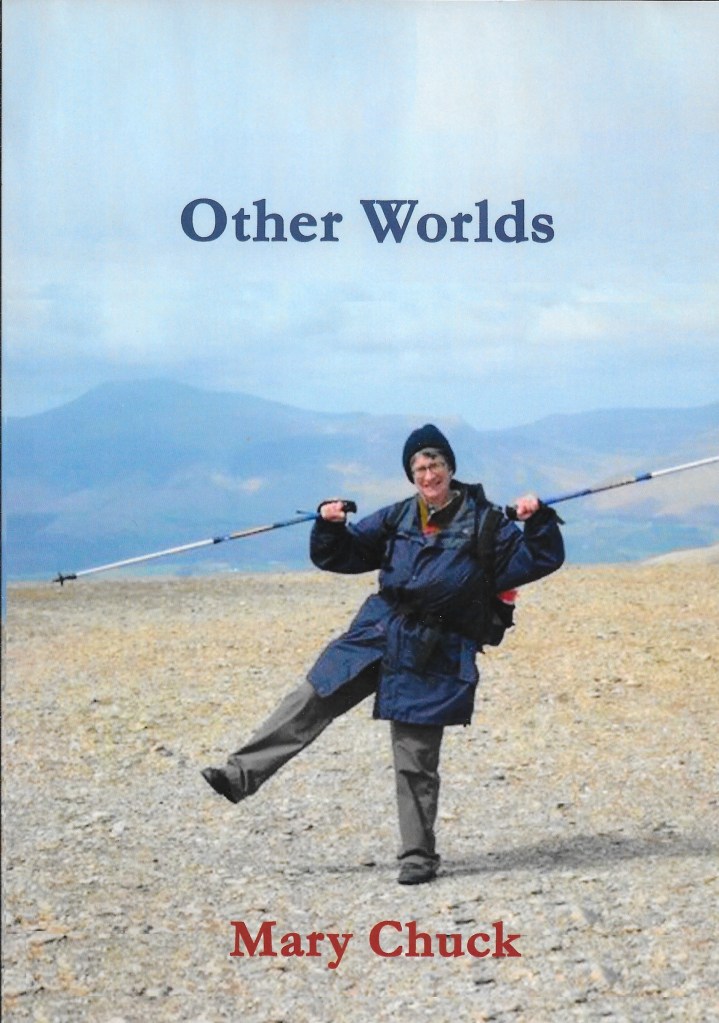
It’s a great pleasure to introduce this month’s guest poet Mary Chuck. Mary and I first met on a poetry workshop in Manchester and we have met on such workshops many times since, including a splendid one at the Almassera Vella, Spain.

Mary Chuck started writing poetry when she retired after 30 years working in Secondary Schools, starting by teaching chemistry.  While she was working her need to escape and let some-one else do the organising took her on many walking holidays in different parts of the world. She is still an active governor at a local primary school and has just completed twelve years as a Trustee of the Wordsworth Trust. She has been writing poetry with several groups, attending workshops and going on residentials with a variety of poets, but most often with Peter and Ann Sansom at the Poetry Business.

I’ve chosen four poems from Mary’s debut collection Other Worlds (Dempsey & Windle, 2021). Mary will have a belated Zoom launch with two poet friends on Tuesday 23 August. Contact Dempsey & Windle for a link.

Migration

His people came from Russia and Lithuania,
their passports always changing, not because they moved
but because their countries became other countries.

His people were Jews, Ashkenazy Jews.
They came from the East,
driven south and west over centuries
until finally they fled from the Pale.

Long after my grandfather settled in England,
and long before he was naturalised,
he was able, once again, to be Lithuanian.
His mother’s people were White Russians
or maybe they had ten white horses?

My father married out.
Her people were not Jews.

They came from Shropshire,
farmers, and one was a stationmaster.
They were not the chosen people.
Her people were not so interesting.

Jammu-Kashmir

He tells me that his father was Kashmiri
but now he can’t go back and I describe
to him what Srinagar was like
before unrest made it unsafe to go;

I tell him how we only went because
the flight to Leh was cancelled due to clouds,
and how luxurious it was,
staying on house boats on Dal Lake;

how we were shown around the lake and lay
with curtains to protect us from the sun,
on cushions on a wooden boat, a shikara,
and saw the floating gardens there;

tell him how pink the lotus flowers were
and how the Mughal gardens, full of scents
I didn’t recognise, were
different from the spice stalls in the street;

how the couple in one garden, keen to speak
in English, asked me about my life,
how they were sad my family
had not arranged a marriage – then I stopped.

I knew I’d gone on far too long. His eyes
glazed over as he looked beyond me, said
I never knew my dad
I never really wanted to.

Travels with my Daughter

I’m not really sure
when the balance altered,
when I knew for certain
our relationship had changed.

Perhaps somewhere north of Peshawar
after we drove up the Khyber Pass
with an escort carrying a Kalashnikov,
arrogant, in the front seat of the car

and after we bought an alcohol licence
in the hotel, and she flirted
in the swimming pool, with a young man
who claimed he was the brother of Imran Khan

but maybe before the landslide
which closed the road, when she carried
a tiny baby across the rubble, impossible
for its mother wearing a burkha.

We crossed a bridge over a ravine at night,
before the house of the drunken engineer.
She had been talking easily in Urdu to the driver;
we turned and reversed, then advanced

more slowly, about nothing she said
as we jolted across – then on the other side –
He had heard that the bridge was rotten,
but I told him it would be fine.

A well-worn track on Kerridge Ridge

Another glorious Saturday morning
needing to be out, needing to be walking
to be moving rhythmically across the hillside
up to White Nancy, through the kissing gate,
ignoring the brambles, skirting the quarry,
following the well-worn track on the back of Kerridge Ridge
head down muttering to myself long before anyone
might have thought I was phoning
going over and over conversations I have had
or might have had
over and over thinking if only

until, hearing the hint of a cough
I feel warm breath on my face
and lift my head to find myself looking
at a moist, brown, eye
above a large, brass, ring
in the nose of an enormous bull.

I breathe, slowly.
I look around.
It is a glorious Saturday morning.

This is not Dante – writing prompt

Dante, by Botticelli

One of the poems in this week’s inbox came courtesy of The Paris Review: Identity Check by Hans Magnus Enzensberger. The title is intriguing enough, the first line is a bold claim and a denial:


This is not Dante


This immediately sets up tension and hooks the reader’s curiosity. If not Dante, who is it? We get an answer we know can’t be true: This is a photograph of Dante. Then: This is a film showing an actor who pretends to be Dante.


The poem continues like this. It reminded me of a poem of mine published in orbis magazine which uses similar techniques. If I feel really ‘stale’, then using two prompts of a different kind is guaranteed to work.


In 2017 I went to Tate Modern for the exhibition of Robert Rauschenberg – very stimulating. It included his telegram This is a painting of Iris Clert if I say so. A visit with a poet friend to Manchester Art Gallery then started the poem. The painting described is Portrait of Lucian Freud by Francis Bacon. Here is the link.

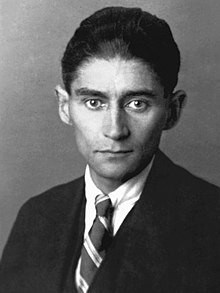
Franz Kafka

This is a portrait if I say so


A portrait of Kafka, in a long coat; dark grey, almost black. No, it’s not. It’s just paint on canvas. This is a portrait of the man who was a friend of the man who put the paint on the canvas. Paint is history. Painting is looking for something, then losing it again. This is a portrait of a man, based on a photo of Kafka. My friend Kathleen asked Was Kafka’s face that long? The man in the long coat in the portrait is striding out. No, he’s not. The note to the right of the portrait says the man who is not Kafka is leaning against the pillar, but the pillar isn’t straight. This is a portrait of a man who isn’t famous, based on a photo of Kafka, and Kafka became famous, and the man who put the paint on the canvas became famous. Kafka is dead. The painter is dead, but this portrait is living, dead paint is living. This is the living portrait of a man who had friends. The man in a coat the colour of death. All colours become history. A coat; a face; a pillar. A portrait is, he says so.

Meeting Paula Rego – writing prompt

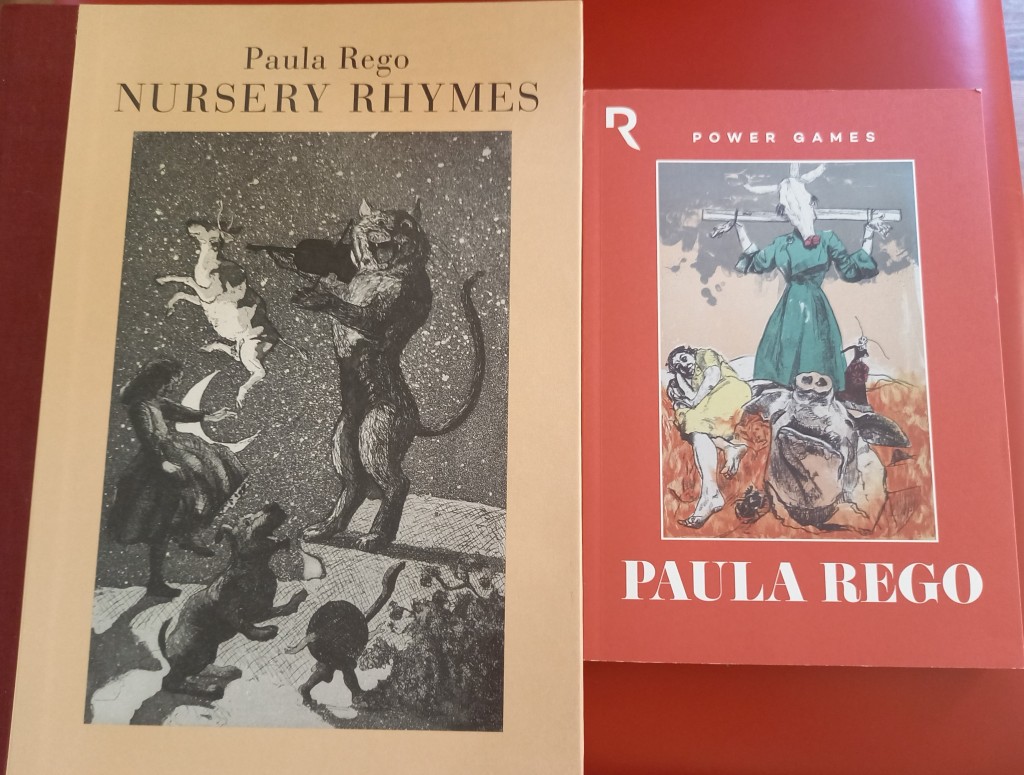
I was sad to learn of the recent death of the artist Paula Rego. Last century I saw her work at the Whitworth Museum in Manchester, UK. That’s when I bought Nursery Rhymes. In March this year I went to the first major retrospective exhibition of her work in The Netherlands – at the Kunstmuseum here in The Hague. The museum shop had copies of Power Games.


I admire her as a person and an artist. As she told it ‘art was a way to work through fear and trauma, to soothe and comfort, as well as to erase, attack, scratch out and destroy.’

Whitworth Museum, extension


After a major refurbishment the Whitworth reopened in 2015. I would have liked very much to meet Paula Rego and talk with her about life and art. This imaginary meeting is set in the new café. The poem was published in my pamphlet A Stolen Hour (Grey Hen Press, 2020).

Meeting Paula Rego at the Whitworth, Manchester

Shading her eyes with a small black fan
she looks distressed and even out of place.
Ash trees cast a greenish shadow on her face.
To me she seems older now, frailer than
in the short winter days of that other year when
the quiet ghost of a drowned baby played
with black hen, spiders, women who prayed
for open roads, escape, a private den.

There was a boating lake once in the park.
We wait for panini, service is slow.
Café in the trees, I say, canopy.
Her earrings sparkle, her eyes are still dark.
It’s from the Greek; “konops” means mosquito.
Paula’s face lights up; her imagination set free.

Congratulations!


Congratulations to Orbis Quarterly International Literary Journal and Editor Carole Baldock. The 200th issue has just arrived. It is a bumper bundle and I look forward to getting stuck in.


Orbis is not just a poetry magazine, it is an international community of poets: each issue carries Lines on lines – brief communications from readers and I particularly like the Readers’ Award. Each issue readers can nominate up to four contributors whose work most appeals. A sum of money goes to the poem(s) that get the most votes and a similar amount is split between the runners-up. I find that I read each poem or prose piece with more attention – to have a rationale for my choices and votes.

I appreciate that my work has been featured in orbis three times. Below are two poems which featured most recently.

Credit: Steven Hill via Pixabay

The fire in Sydney

We’ve been out in the harbour
to get our Lifeboat Certificate.
The only woman, too feeble to row,
I had to steer the lifeboat
alongside SS Oronsay. First time
I didn’t manage to line it up.
Passengers lean over the railings,
watch us circle for a second attempt.

A fire on board has cut the electricity.
Our lifeboat cannot be winched back up.
The small, wizened Australian examiner
stares straight ahead. A passing ferry hoots.
From the galley portholes drifts
the smell of freshly baked bread.
The ferry hoots again. We dare not wave.
We don’t know yet if we’ve passed.

The last dogs

are running along the flood line.
Visitors are leaving for home, vacating the boarding houses; hotels.
A few people sit outside their huts: Parnassia, Shangri-La, Paradise;
grand names for a row of painted wooden boxes
which will be taken apart, then taken away at the end of the season.
The last dogs of the day are running along the flood line.
Gulls are scattering. It’s still warm. Somebody is singing a Beatles song.

27 June, the day after her birthday

Today would have been my mother’s birthday. The photo was taken at my 60th birthday party which I celebrated in the garden of my friend’s caravan – the one I was to inherit just three years later.

The poem describes a time when my mother was still living independently. As I lived in England, the opportunities to help were limited. I happened to be over in the Netherlands.

27 June, the day after her birthday

I’d left a note on her bedside table
Don’t eat, don’t drink when you wake up.
We walk arm in arm, it’s warm already.
The doctor lives two houses down.
A blue Scandinavian cotton dress,
chunky necklace and earrings to match.
My mother does not look eighty-one.

That blood test done, we sit and face him.
Slightly raised, but no need to worry.
How are you keeping he asks my mother
who smiles, puts on her usual pose, I’m fine,
while I shake my head silently.

She’s leafing through her diary.
It says, Doctor, 8 o’clock.
We’ve been, now it’s time for coffee.
I want to go upstairs to pack.
Before you go, just one question
The matt-green door frame cuts the scene.
I wave, but she frowns at her diary.