Tag Archives: Poetry

Meeting Paula Rego – writing prompt

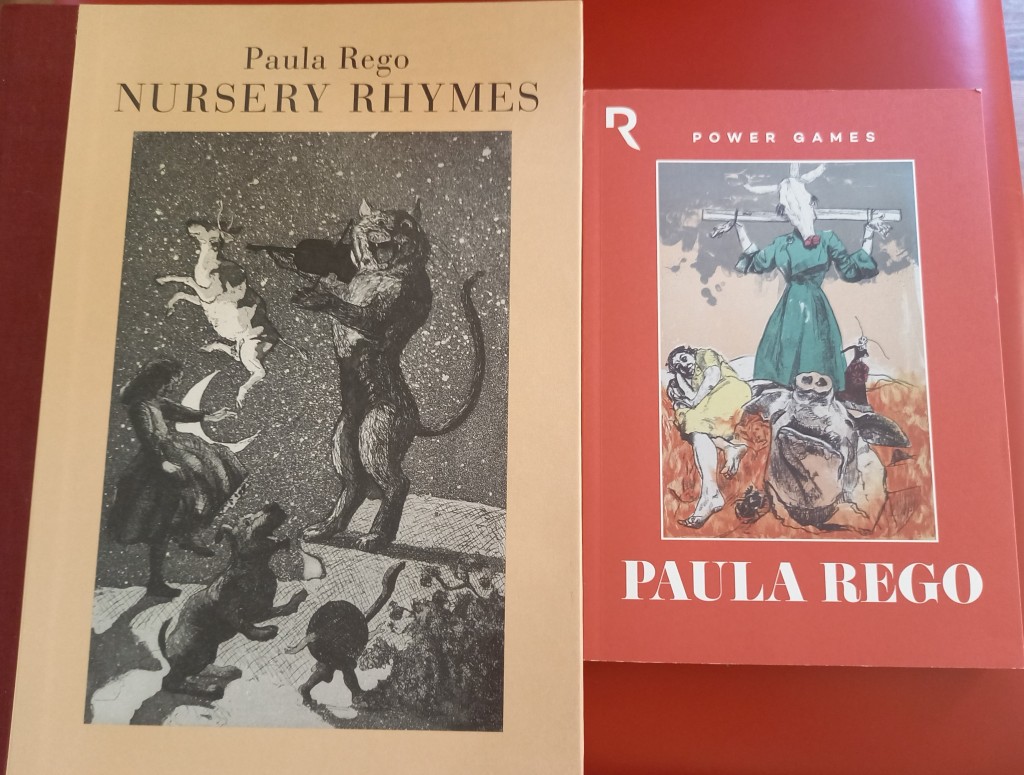
I was sad to learn of the recent death of the artist Paula Rego. Last century I saw her work at the Whitworth Museum in Manchester, UK. That’s when I bought Nursery Rhymes. In March this year I went to the first major retrospective exhibition of her work in The Netherlands – at the Kunstmuseum here in The Hague. The museum shop had copies of Power Games.


I admire her as a person and an artist. As she told it ‘art was a way to work through fear and trauma, to soothe and comfort, as well as to erase, attack, scratch out and destroy.’

Whitworth Museum, extension


After a major refurbishment the Whitworth reopened in 2015. I would have liked very much to meet Paula Rego and talk with her about life and art. This imaginary meeting is set in the new café. The poem was published in my pamphlet A Stolen Hour (Grey Hen Press, 2020).

Meeting Paula Rego at the Whitworth, Manchester

Shading her eyes with a small black fan
she looks distressed and even out of place.
Ash trees cast a greenish shadow on her face.
To me she seems older now, frailer than
in the short winter days of that other year when
the quiet ghost of a drowned baby played
with black hen, spiders, women who prayed
for open roads, escape, a private den.

There was a boating lake once in the park.
We wait for panini, service is slow.
Café in the trees, I say, canopy.
Her earrings sparkle, her eyes are still dark.
It’s from the Greek; “konops” means mosquito.
Paula’s face lights up; her imagination set free.

Congratulations!


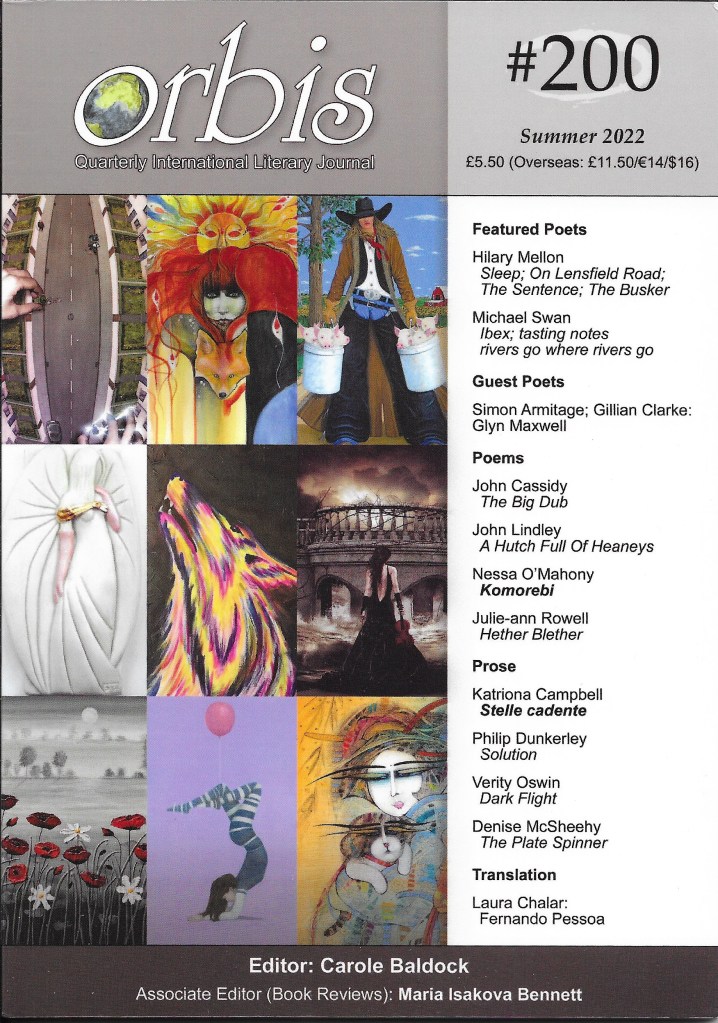
Congratulations to Orbis Quarterly International Literary Journal and Editor Carole Baldock. The 200th issue has just arrived. It is a bumper bundle and I look forward to getting stuck in.


Orbis is not just a poetry magazine, it is an international community of poets: each issue carries Lines on lines – brief communications from readers and I particularly like the Readers’ Award. Each issue readers can nominate up to four contributors whose work most appeals. A sum of money goes to the poem(s) that get the most votes and a similar amount is split between the runners-up. I find that I read each poem or prose piece with more attention – to have a rationale for my choices and votes.

I appreciate that my work has been featured in orbis three times. Below are two poems which featured most recently.

Credit: Steven Hill via Pixabay

The fire in Sydney

We’ve been out in the harbour
to get our Lifeboat Certificate.
The only woman, too feeble to row,
I had to steer the lifeboat
alongside SS Oronsay. First time
I didn’t manage to line it up.
Passengers lean over the railings,
watch us circle for a second attempt.

A fire on board has cut the electricity.
Our lifeboat cannot be winched back up.
The small, wizened Australian examiner
stares straight ahead. A passing ferry hoots.
From the galley portholes drifts
the smell of freshly baked bread.
The ferry hoots again. We dare not wave.
We don’t know yet if we’ve passed.

The last dogs

are running along the flood line.
Visitors are leaving for home, vacating the boarding houses; hotels.
A few people sit outside their huts: Parnassia, Shangri-La, Paradise;
grand names for a row of painted wooden boxes
which will be taken apart, then taken away at the end of the season.
The last dogs of the day are running along the flood line.
Gulls are scattering. It’s still warm. Somebody is singing a Beatles song.

FEET – poems


One of the most enjoyable things I did recently was read the manuscript of FEET. Elsa Fischer had asked if I would write a ‘blurb’ for her collection coming out a few weeks from now. Elsa’s poems from her two pamphlets (Palmistry in Karachi, Hourglass) have featured here in May 2020.


erbacce press in Liverpool run an annual poetry competition. In 2012 I was a runner-up and had 12 poems in the quarterly magazine, along with an interview. There were around 6,000 other entries. This year over 15,000 poets worldwide sent a selection of their work. Elsa’s submission was one of three to achieve publication.


Elsa was a young child in The Netherlands during WW2 and her collection includes some poems about that experience. Here is Hunger Winter about the winter 1944/45, followed by the poem Remembrance Sunday.

Veteranendag, Den Haag


Since 2005, the last Saturday in June has become ‘Veteranendag’, a day to honour the more than 100,000 Dutch veterans. There is a flypast and a parade of over 3,500 serving soldiers, several forces’ orchestras, old and new equipment. On the Malieveld, the large green area near The Hague central station, are marquees and vehicles. A good PR opportunity: the army, navy and air force all need recruits …

Hunger winter


To blunt the pangs of hunger
my mother would copy recipes.
In her wartime diary, between salmon
mousse and boeuf bourguignon I find
the birthdays of uncles and aunts,
lists of friends, their ‘phone numbers
in four digits. Crossed out the names
of those who perished. Lines of French
poetry: how dawn had chased the night
the poet would have wanted to last longer.
A list of socks, hats, underwear and who
she knitted for. A monthly record of her
bleeding. Exclamation marks around my
name on a page in September.

Remembrance Sunday


One hundred years old.
And two months, he adds
and in my regiment
the last man standing.
Holding a globe
he points at El Alamein.
That was a good one, he says.
Grins.

27 June, the day after her birthday

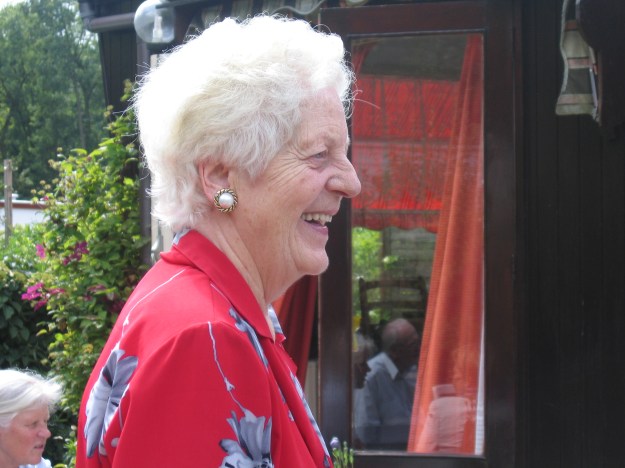
Today would have been my mother’s birthday. The photo was taken at my 60th birthday party which I celebrated in the garden of my friend’s caravan – the one I was to inherit just three years later.

The poem describes a time when my mother was still living independently. As I lived in England, the opportunities to help were limited. I happened to be over in the Netherlands.

27 June, the day after her birthday

I’d left a note on her bedside table
Don’t eat, don’t drink when you wake up.
We walk arm in arm, it’s warm already.
The doctor lives two houses down.
A blue Scandinavian cotton dress,
chunky necklace and earrings to match.
My mother does not look eighty-one.

That blood test done, we sit and face him.
Slightly raised, but no need to worry.
How are you keeping he asks my mother
who smiles, puts on her usual pose, I’m fine,
while I shake my head silently.

She’s leafing through her diary.
It says, Doctor, 8 o’clock.
We’ve been, now it’s time for coffee.
I want to go upstairs to pack.
Before you go, just one question
The matt-green door frame cuts the scene.
I wave, but she frowns at her diary.

Whistling for Stalin – poem

This w/end my poet friend Kathleen Kummer will be celebrating her 94th birthday. We first met 20 years ago on a writing week held near Cambridge. Kathleen lived and worked in The Netherlands after marrying a Dutchman.

To mark her special day, I’m posting a poem from her debut collection Living below sea level, published by Oversteps Books. The poem first appeared in the original 14 magazine, edited by Mike Loveday.

Whistling for Stalin

Circus performer summoned to the dacha,
you arrived empty-handed, no sign of the treasure
at the tip of your tongue. The signal was given,
you pursed your lips, made them a channel,
floated a tune on a cushion of air,
like a bird in a cage, lusciously trilling.
They sat around in their white, belted tunics,
he and his henchmen, legs stretched out rigid,
but ready to jack-knife to a Georgian folk song.

Did your whistling enliven the poker-face,
make it genial? When he clicked his fingers,
your tune slid back into its voice-box.
How much did you know about Uncle Joe?
When you whistle, you’re bound to sound carefree.

Games – poem

On a rainy Bank Holiday Sunday it’s good to be reminded of old poems and successes. Poems that are accepted for publication disappear into the folder ‘Published’ and into books and magazines that sit together on a shelf. Out of sight, out of mind…


For many years through the 90’s I kept this green A4 certificate with the impressive signatures in a clip frame at the bottom of the staircase. It was a daily reminder that I could write through what was a dark period in my life.

Credit: Public Domain via Pixabay

Games

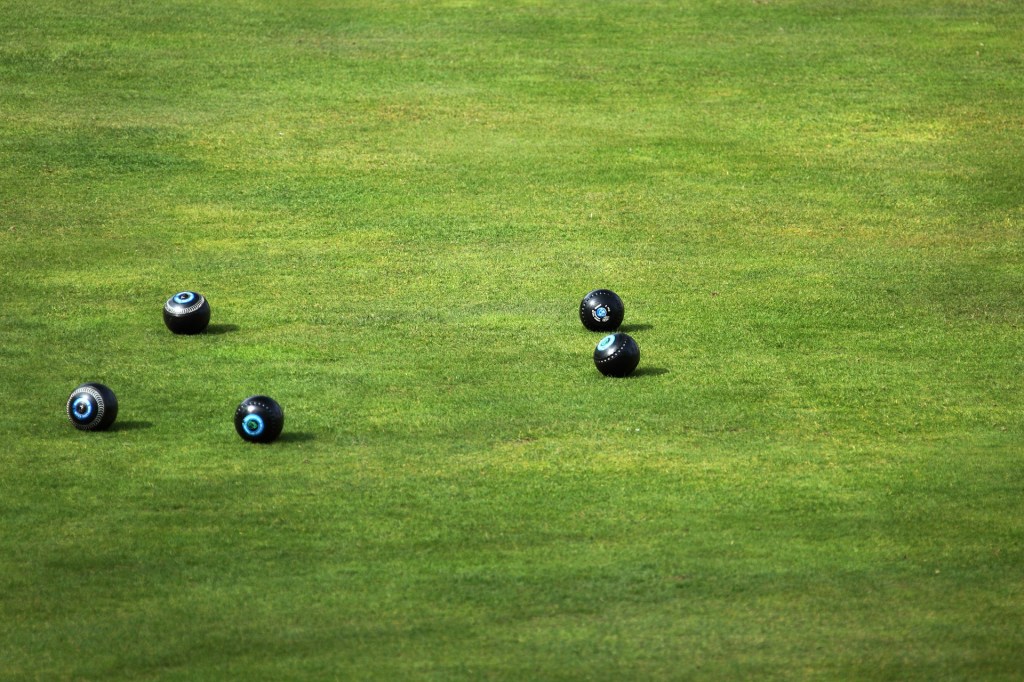
I watched the old men in the park today
playing bowls, much the same as yesterday.
Smiles all around and gentle teasing by the winners.

I wondered whether at their age
you would have needed stick or hearing aid.
If your hair would turn to yellow-white or grey.

You never tried your hands at bowls, did you?
An old man’s game you called it.
Surely, much more fun than kicking up the daisies?

Tree frog – haiku

Credit: David Dixon

Manchester Museum, part of the Victoria University of Manchester is closed for a 15 million redevelopment. It will open February 2023. Part of the Museum is the Vivarium, home to some of the most critically endangered neotropical species. Some years ago, a good friend became a sponsor and, by way of thank-you, she was invited to bring someone along for a ‘behind the scenes’ visit to the Vivarium.

Credit: Katja via Pixabay


The Department is a key player in the education about, and conservation of such beautiful creatures as the Lemur Leaf Frog, Yellow-eyed Leaf Frog, and the Splendid Leaf Frog. It was thrilling to have the small creature sit quietly in the palm of my hand.

Tree frog

Here is the coolness of its orange feet
splayed onto my hand. The slow bulge
of its breathing throat. Two unblinking eyes
the colour of black Morello cherries.

Assisted Passage – poem

Eye, Amsterdam

Over half a century ago I shared a room in an Earls Court hostel with three other Dutch women. P&O Lines Ltd had just taken us on as WAPs (Woman Assistant Pursers) and we were to be employed in various offices while waiting for a ship to become available. I did secretarial work for a Scottish marine engineer, struggling to capture the technical terms – about bulkheads of a vessel that was being built at the famous Cammell Laird yard in Birkenhead.

We have kept in touch all those years, and celebrated in the Eye, Amsterdam with lunch in 2019. The film museum is an iconic building just the other side of the railway station. A short ferry journey is a good way to get there. Our plan for an annual reunion had not taken a pandemic into account and now one of us has health issues. Fingers crossed for September!

Our language skills had got us the job: Dutch, English, French and German. The photo is from S.S. ORCADES where I was Supernumerary, translating the news, and holding daily meetings. Here I am with the small group from Germany and Switzerland.

Assisted passage

You’re on F deck aft, an alleyway
away from your spouse,
also sharing with five strangers.

Time to fold over your memories,
freshly laundered. You don’t need
memories where you’re heading.

You saw the Fire Dance in Dakar.
Days of sea, sun, and sky.
Cape Town with Table Mountain.

Nine grey days of swell.
Freemantle, Adelaide,
Melbourne, Sydney.

Shake a leg, show a leg.
You’ll soon be down under.
Your new upside-down lives.

Tomatoes – poem

Credit: Couleur via Pixabay

Fruit & veg, toms, salad, mayo, salmon, ½ loaf … I’ve not yet managed to write a shopping list in Dutch even when the words are shorter (sla) or similar abbreviations (gr & fruit). It’s too much hard work late on a Thursday evening when I’m sitting with a glass of wine (wijn) and contemplating the moving project: flooring, top-down & bottom-up blinds, two chairs – ordered; research on fridge/freezers needed, also a new GP practice and pharmacist.

Here in the Netherlands the distance is important: the GP must be able to get to your home within 10 minutes. That doesn’t mean it’s easy to register. In Scheveningen (where I spent the winter) three practices did not take on new patients or had a four-month’ waiting list. A tomato a day may keep the doctor away …

Tomatoes

I am stepping away from my life,
my life as short as a haiku.
I have turned biographer,
am writing vignettes,
pale green, the length of celery.

My vignettes may concern
elderly mules with dental decay,
the struggle to remember
maternal aunts. I am numbering
my vignettes 1A, 1B, 1C, 1D –
narrow seats in the small airplane
Aer Lingus would use
on the late Saturday flight.

I could write a vignette
about the plastic dummies
they use in ambulance training.
Today I’m going to focus on pretend
tomatoes. My invisible friend
has started her new diet.

Laughter – poem

Credit: Mike Goad via Pixabay


On Tuesday evening my local Stanza poetry group held it first ‘live’ meeting since the start of the pandemic. It was a hybrid session which worked very well: some poets in the station bar of Stalybridge station, some of us at home in the UK and abroad. I was pleased that I could take part. I have also joined the Groningen Stanza here in The Netherlands which alternates live and Zoom meetings.

I saw fresh rhubarb at the supermarket yesterday which reminded me of another group I used to belong to in Manchester. My third poetry book is dedicated to Elaine, Hannah and Jackie; here is a poem written in a back garden in Chorlton-cum-Hardy, Manchester.

Laughter


The laughter swaying across the lettuce,
strong knotted rope in the old Bramley tree.
A grandmother sits quietly in a wooden chair;
she counts knitting patterns in her head.

The dappled shade is a cool alleyway
between her life and her daughter’s world.
Laughter slides away from them, low
down across the grass; it hides
between the rhubarb and redcurrant bushes,
waiting until night time for the moles
to come up and breathe into it.
Yesterday’s laughter a small pile of earth.

(published in Another life, Oversteps Books, 2016).