It’s good to get an acceptance and even better when it’s prompt! Thanks to Paul Brookes for accepting this poem and two others for his online poetry journal The Starbeck Orion. You’ll find it here: the 880.substack.com. Issue 4 is themed. Current contributions are open themed.
You will be asked what your favourite constellation is. I bought the domain name acaciapublications in the early 90s, so you won’t be surprised that Camelopardalis is mine. It is a large but faint constellation of the northern sky representing a giraffe.
The poem was written from a prompt on the Boxes workshop with Graham Mort. WordPress wanted to make it a list, which messed up the numbers the lines had. We like a non-sequitur…
Boxes
I declined it. The man in black nodded, walked back to the horse.
Boy, am I glad I can feel my legs.
There must always be doors for the pleasure of opening them. Cats know this.
Boardroom brown, expensive pens, hand-rolled cigars, promises on parchment.
On display in the glass case: the motorbike, black-and-white photos, three bullets.
Groundswell – so little land, so much water.
Was I not meant to see the deep scarlet lining?
Writing prompt
Which kind of box could you write about – jewellery, the one your cat prefers? A musical one with a ballerina? Pandora’s box?
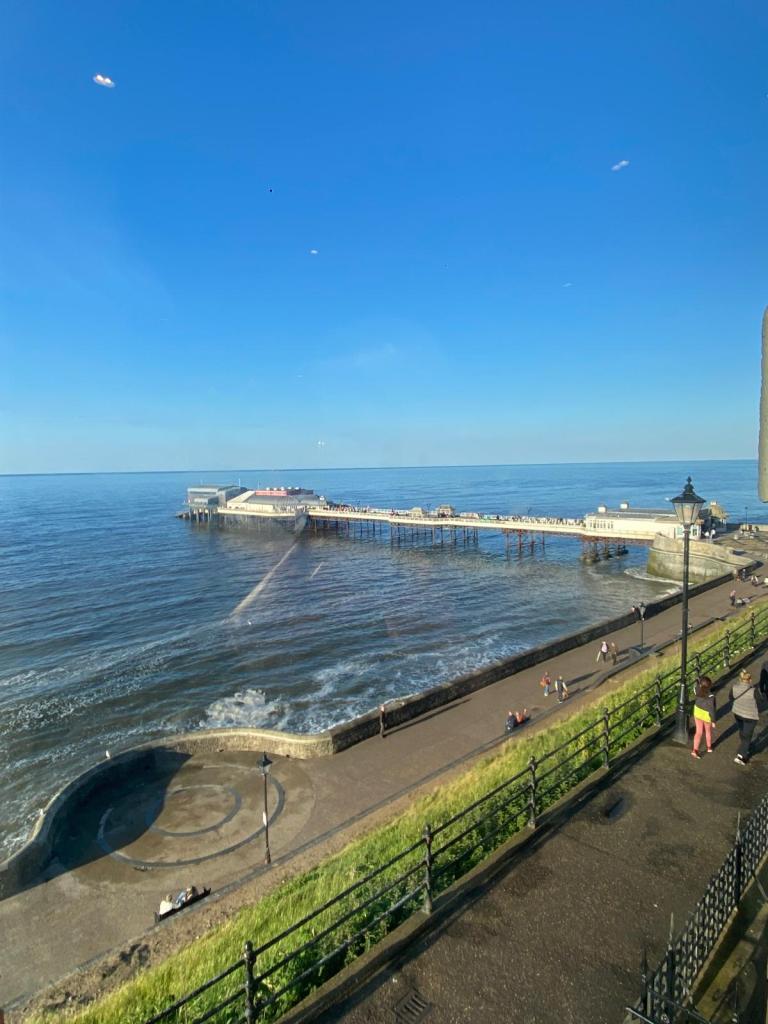
As the church bells began ringing, we were off – like thoroughbreds out of the starting boxes. We’d arrived on Saturday, inspected the spacious and comfortable rental property. Then enjoyed a delicious fish dinner at No. 1 Cromer Upstairs.
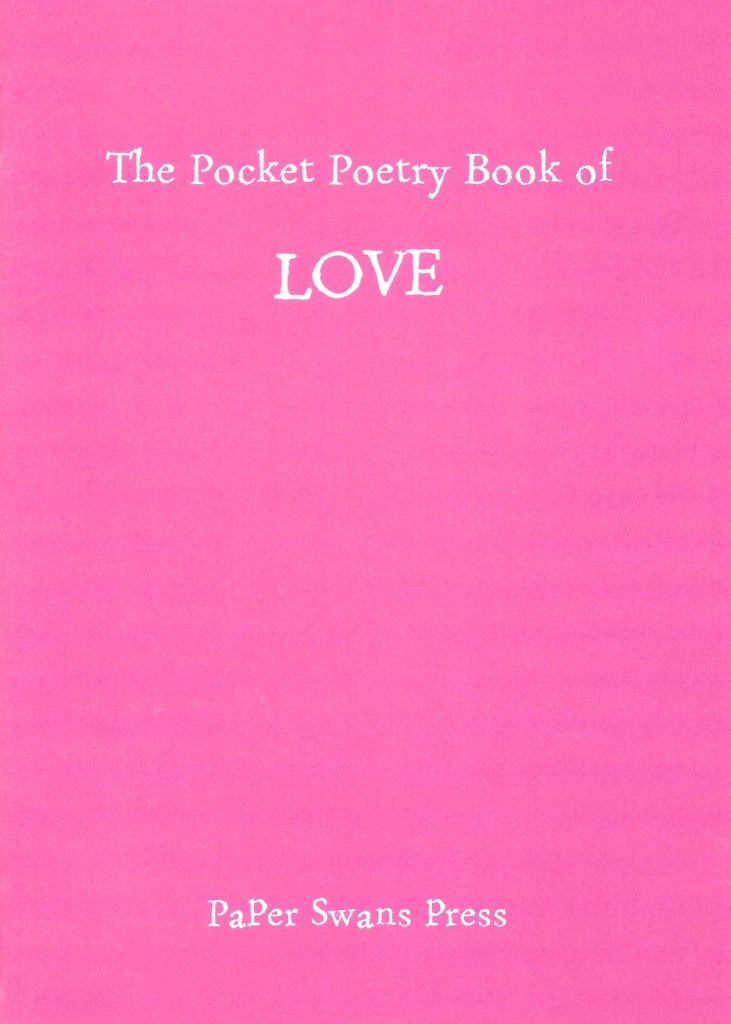
My morning flight from Schiphol landed at Norwich. The views of the coast and the Broads reminded me of other times. The poem was first published in The Pocket Poetry Book of LOVE (Paper Swans Press, 2018).
With love to my five talented poet friends…
Cromer, August
Curved around Cromer Pier a twitching mass of legs, sturdy calves, socks, sandals. Fathers scoop up bait, wind black thread onto pink plastic spools. An old couple, in matching anoraks, watch a thin man, wheelchair-bound. He shakily lifts his thermos flask.
I thought of you then and the creaking stair lift, the plastic roll-up seat, raising her in and out of the bath. The small wooden cart you made so she can travel through the orchard inspecting the new fruit with her crooked hands.
Another quote from Claes Oldenburg’s famous Ode to Possibilities ‘I’m for …’ from 1961. It reads like a long list poem. Oldenburg said it was a statement, not a manifesto.
Risham Syed, The Tent of Darius
My poem Wearable Narratives, from my second collection, Nothing serious, nothing dangerous, published by Indigo Dreams in 2019, is in two parts. The poem was inspired by art in the Manchester Art Gallery. Last week I posted part i (Scarf).
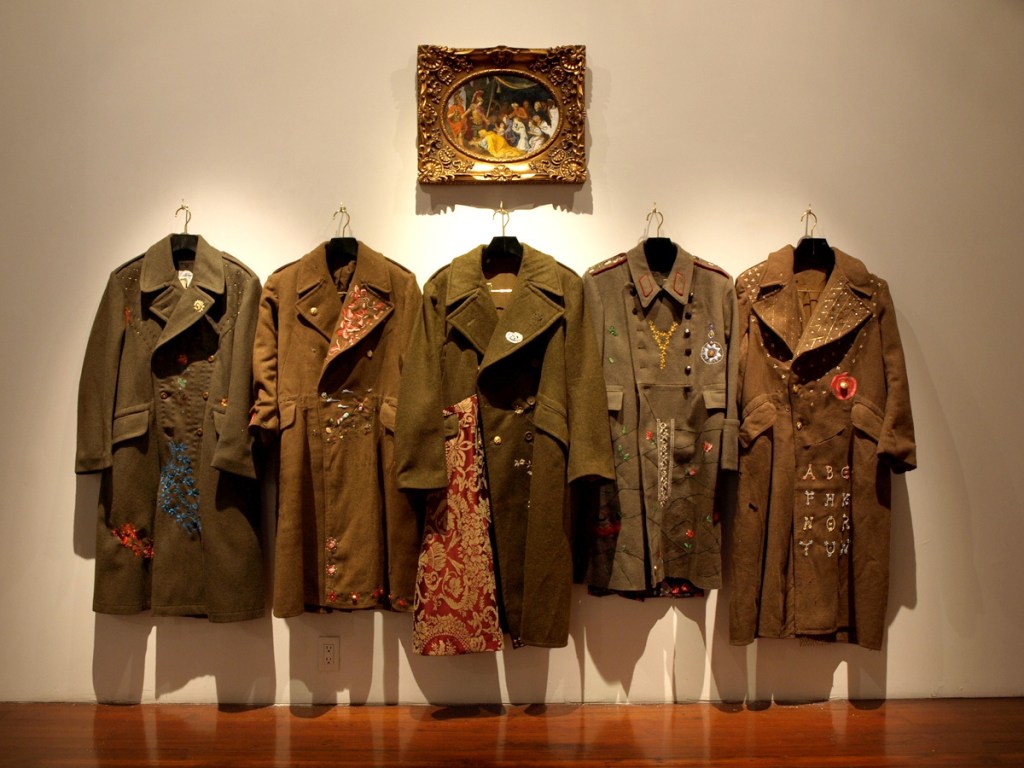
The Tent of Darius, an installation from 2009, is a complex work by the Lahore-based Risham Syed. It consists of five embroidered vintage European Army Coats with a small painting. This is a copy, painted by her, of the Charles Le Brun work of the same name. Syed describes her inspiration for it:
“I imagined these five coats to have travelled all over the world, with women having contributed to them by adding a piece of embroidery. They are like these tired, old worn-out soldiers who have dreamt of coming back home. On the one hand, they symbolize the imperial power, but on the other hand, there is another aspect to this work; how soldiers from the colonies were made to fight for the Imperial powers. It’s true for any army including the Pakistan army, where most soldiers are from Jehlum, Potowar region, from poor, lower middle-class families and end up with the army because of their physique/tradition, in the hope of making a romantic/glamorous career. This work, compares the romance/glamor to the actual reality of war, the aim of it and the beneficiaries of it. I juxtapose the embroidered coats with an ‘Oriental’ painting called The Tent of Darius, a seventeenth-century painting by Charles Le Brun that provides the title for the installation. In it, the Queen of Persia bows to Alexander the Great who has conquered the land. It serves as a metaphor for the West making incisions in the East.”
I was very moved by the sight of these five coats and the details of the embroideries which inspired the last stanza.
The tent of Darius
The ornate faux-Chinese frame holds a cropped copy on acrylic: The Queen of Persia draped at the feet of Alexander.
Below, an array of five overcoats, donated by European soldiers, appliquéd and embroidered by women’s hands.
Under the lapel, a stilled windmill, peach-coloured vanes. A green tree above a button hole. Death comes like blue geese.
So said Claes Oldenburg and he said a lot more like it, such as ‘I’m for art that flaps like a flag, or helps blow noses like a handkerchief’. Oldenburg said that his famous 1961 Ode to Possibilities, ‘I am for …’ was a statement, not a manifesto. It’s a fantastic read, a long list poem that works well as a writing prompt. Here is the link.
Swedish-born Oldenburg, one of the founding fathers of Pop Art died July this year at the age of 93. He was famous for his monumental sculptures where mundane objects (matches, clothes peg, apple core) suddenly became larger than life.
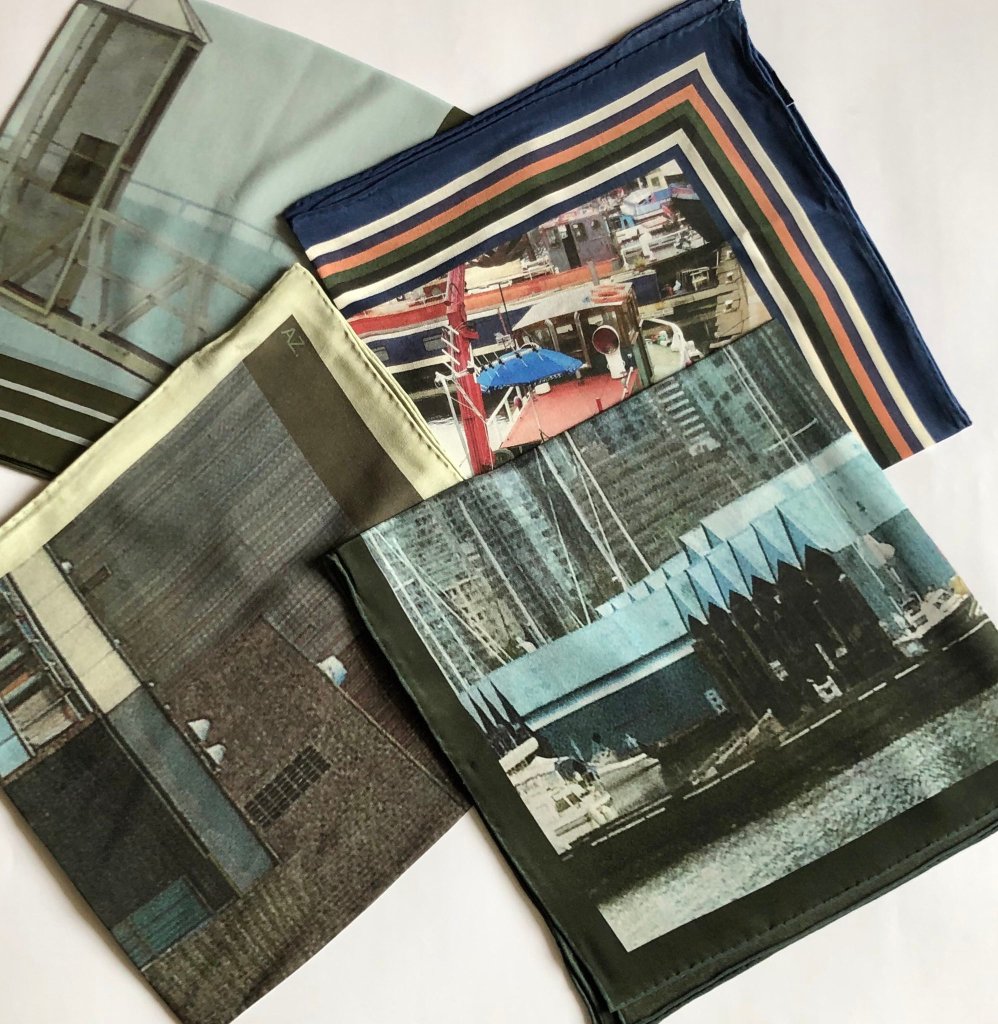
My poem Wearable Narratives (from the collection Nothing serious, nothing dangerous) is in two parts. Here is part i. It was inspired by a pure silk scarf, made by Andrea Zapp, that was on display in the shop of Manchester Art Gallery. At that time, I didn’t have a smartphone. So, here is a picture of other scarves, made by Andrea Zapp. See the note below for more information about her amazing work.
Scarf
A turquoise ribbon runs under khaki stepping stones. Tomatoes are the red carpet. Slanting shadows pull the empty staircase under water. Its fine metal tracery anchors a washing line with checked tea towel.
Cold marble columns, bleached shutters closed. Almost out of sight wooden farming implements, a clock stopped at ten to eleven, a car hubcap.
Everything here is at an angle now. What survives are the chalk drawings: a cheerful elephant, the ibis and another bird, its round black eye like a spinning top.
Note:
Andrea Zapp, born in Germany, living in Manchester, pioneered in coalescing her digital media art background with the fashion industry. Andrea has created the luxury fashion brand AZ.andreazapp. This sells high quality silk dresses and scarves printed with her own photography of urban views, rural panoramas, miniature scenarios and objects of culture and curiosity, creating a collection of stunning authentic hand-made garments.
It’s four years this month since the poet Tony Hoagland died. Turn Up the Ocean was published posthumously this year.
The blurb on the back says ‘Over the course of his celebrated career, Tony Hoagland ventured fearlessly into the unlit alleys of emotion and experience. The poems [ … ] examine with mordant wit the reality of living and dying in a time and culture that conspire to erase our inner lives.’
The mordant wit can be found in some of the titles:
Four Beginnings for an Apocalyptic Novel of Manners
Why I Like the Hospital
On Why I Must Decline To Receive The Prayers You Say You Are Constantly Sending
The last few lines of this poem are:
And could you stop burning so many candles, please?
My god, think how many hours and hours and hours – think of how hard those bees worked to make all that wax!
Hoagland’s poems often go just over the page and here are the last few lines of Gorgon:
Your job is to stay calm. Your job is to watch and take notes, to go on looking.
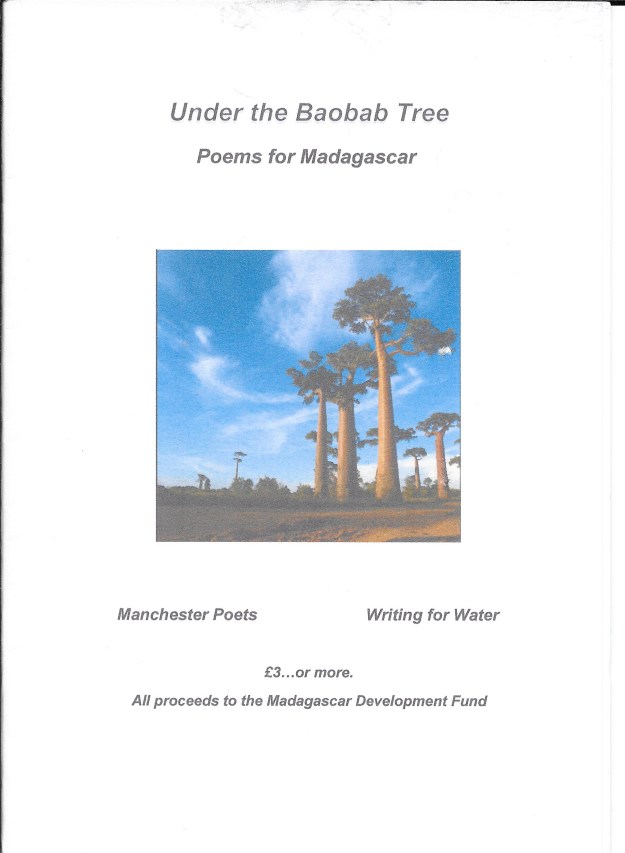
Sorting out boxes with books that moved with me from the UK, I found this small pamphlet. Manchester poets Steve Waling and Francesca Pridham edited poems by members of Manchester Poets. Copies were sold at the Didsbury Festival to raise funds.
Here Fran tells us about her connection with the Madagascar Development Funds and shares some wonderful proverbs – writing prompts for your poems, flash fiction, short stories.
Madagascar
“My first contact with Madagascar came in 2013, when my husband, interested primarily in the country’s unique wildlife, persuaded me to take part in a trekking holiday there. The scenery is awe inspiring. A melting pot situated between Asia, Africa and Australia, Madagascar is the mysterious land of the ancient baobab tree, a land where pachypodiums thrive, the cat-like fossa hunts and lemurs swing from tree to tree. The most revered lemur, the Indri’s strange call wails through the rainforests, echoing the ancient isolation of the island.
The people
Despite this beauty, what however most caught my heart were the people. There is little infrastructure in the country and most villages consist of a small collection of adobe houses made from the spectacular red mud that Madagascar is famous for. The people have nothing, just the land they live on and any livestock, such as chickens or the zebu cattle that represent their wealth. Their generosity and welcome though is infectious. I gave a biscuit to a small child, four others appeared instantly, and the biscuit was shared immediately.
Credit: Puabar via Pixabay
Water
Their water supplies are often limited to streams that trickle into small muddy ponds, polluted sometimes by cattle who too have to use the water. Standing by the side of a small dirt track nearing the end of my trekking holiday I drank thirstily from a litre bottle of water I’d brought with me. Staggering down the track was an old man with his grandson, pulling and pushing at a makeshift trolley, carrying four battered plastic water containers. They had walked five miles to the nearest water supplies and were coming back to the village.
Credit: via Pixabay
The Madagascar Development Fund
When I returned to England, I started raising money to develop water supplies and build wells in Madagascar. We are lucky enough to work with The Madagascar Development Fund, a small charity run by the ex British Ambassador to Madagascar and have provided enough money now for four wells. The charity specialises in small projects which because of the charity’s experience are achievable and can bypass the complicated political situation in the country.
We have been lucky enough to attend the opening of one of the wells where we were welcomed into the village by singing, dancing, and drumming. We were given a welcome feast and a poem, written specially for the event was read by a young man, resplendent in what looked like a doctor’s white coat!
Malagasy Proverbs
The Madagascan culture is infectious! Their proverbs or ohabolana capture the learning and wisdom of centuries, inspiring both thought and writing! Enjoy the poems they produce!”
Truth is like sugar cane: even if you chew it for a long time it is still sweet. Words are like eggs; when they are hatched they have wings. Like the chameleon keep one eye on the future and one eye on the past. Let your love be like the misty rains coming softly but flooding the river. Those who know how to swim are the ones who sink. Don’t be like a shadow: a constant companion, but not a comrade. An egg does not fight a rock. Only thin dogs become wild. A canoe does not know who is king: when it turns over everybody gets wet.
We’re staying with the Writing Poetry paperback that Matthew Sweeney and John Hartley Williams wrote together for the Teach Yourself series.
In Chapter 12 they’re looking at first lines of contemporary poems, and the need to hook the reader:
Someday I will go to Aarhus Hitler entered Paris the way The strangest thing I ever stole? A snowman. Brethren, I know that many of you have come here today We gotta make a film of this, Jack. After she left he bought another cactus.
All these lines are intriguing, but they work in different ways. The first is a vow, then we have the first half of a comparison that the reader needs to complete. The third is a question with its own answer, followed by a resolve in dialogue. Number 6 is a story that begins in the middle.
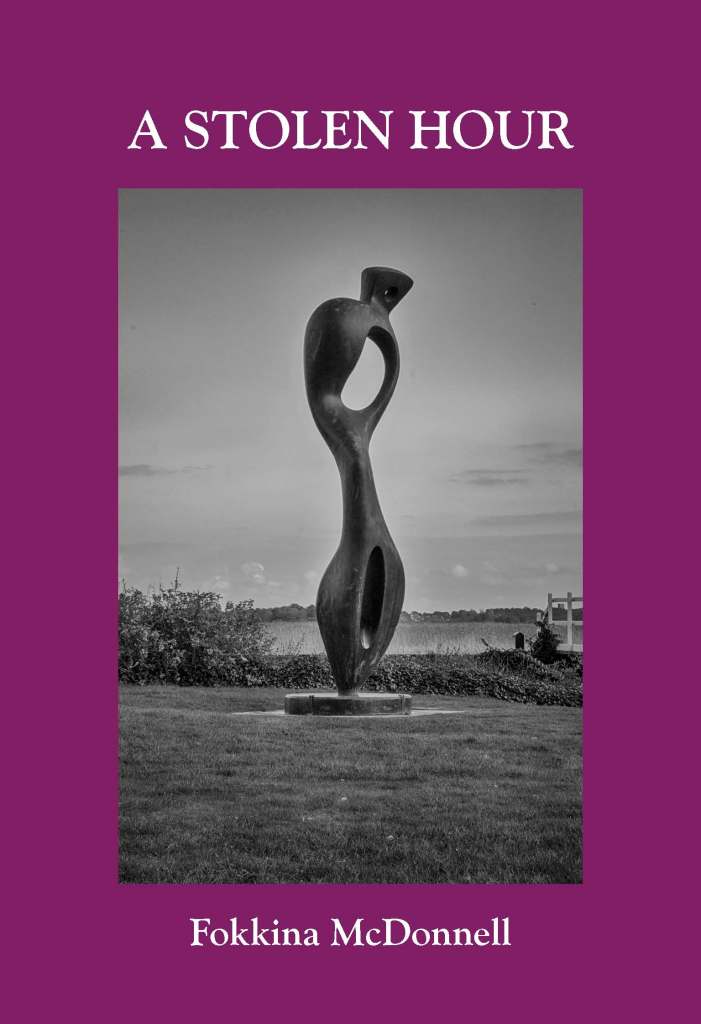
Here are first lines from some of the poems in my pamphlet A Stolen Hour (Grey Hen Press, 2020):
For just one minute of the day If we were strangers, His binoculars rest on the windowsill. The week before I’d given my pleated dress away. Bedrooms are for hiding white. One hour was stolen from the time I am the last stonemason. Date of refusal decision: 13 September 2017
What do you think? Which is the one that intrigues you most and why? Feel free to use them for your freewrite, your ink waster. If you get a poem or flash fiction from a line, I’d be pleased to know!
It’s a rainy weekend here in Holland. So, I’m writing the blog piece for this month’s guest poet: Steve Waling. That reminds me of this poem which I wrote on a short workshop with Steve. And it was in January 2011 that I heard the countertenor Andreas Scholl sing in the Bridgewater Hall in Manchester, UK. It’s such an experience seeing and hearing your heroes live!
Writing prompt: Combining a place and the music you (might) have heard there. Or, you could use write a miniature suite, like I did. Or, the end of the poem could come back full-circle to the beginning.
Miniature French Suite
Allemande
Do you mind if I borrow your man? The old one with the beard that has sparrows nesting in it. It’s only for the Open Gardens weekend. He needs to wear something beige-brown, corduroy and I’ll provide food. Tell him to wear a cap or a southwester – something to keep the fledglings dry. He can hum to them. It might rain, it could snow, warm boots. Rameau or Telemann, I don’t mind.
Sarabande
Rameau or Telemann, I don’t mind. A countertenor can’t be that choosy. A voice like that is a rare find but keeping it alive and strong taxes me and my agent, bless her. She tells me to let go of worries and fears. It’s her domain to get me engagements, book flights, the new portrait and such. She says a voice like mine is a horse, that needs to be whispered to, not broken in.
ErikTanghe on Pixabay
Gigue
I’m warming up in an empty church, on a grey Sunday afternoon. It’s winter, the radiators gurgle, the conductor is late. I let my eyes wander in order to keep my thoughts at rest but now they take flight, filling the gallery, the arches and the painting of the old one with the beard that has sparrows nesting in it.
(published in Another life, Oversteps Books, 2016)
This week I’ve been going through my files and folders with poems, deleting old ones that aren’t going anywhere, finding forgotten ones, losing others because I changed the title but not the filename – you get my drift.
Prompt: Here’s a sort-of-abecedarian list poem. What would be in your alphabet?
On the bright side, there’s always:
avocados and the alphabet, a bridge over troubled water and chocolate, Fairtrade or not, days which travel at their own pace into evening and other favourite places like Venice, beaches, the glorious counter tenor voice of Andreas Scholl, hairdressers who waited for us, ink to waste, as the poet has it, jazz, all that jazz, kilograms to worry about, lessons that return until learned, maria, martini, marina, nautical miles and naughty but nice. Oh, let’s stop, there is a picnic bench with a view, think of questions, the certainty of death, taxes, rescuers in anoraks, accompanied by sniffer dogs, so we’re fit again to tango, show us a leg or two, uniformed bouncers taking them off, victory which will be ours and whiskey or gin, double measures, that xtra mile we will go. Y, the fork in the road and Frost. ZZZ, a comfy bed for a rest.