Tag Archives: mental health

Review: Contrapasso by Alexandra Foessinger

Credit: Kev via Pixabay


Contrapasso is the title of the debut collection of Alexandra Fössinger. She is of Italian origin and currently lives in Northern Germany. She writes mostly in English. Many of the poems included have been previously published in the UK and elsewhere, in magazines such as Tears in the Fence, The High Window, The Journal. The cover design – a black bird against a stark white background – is by Daniel Lambert, Art Director of Cephalopress, established in 2018, providing ‘a voice for the marginalised and the voiceless’.


I do not know the author, though I attended her online reading with Q&A. There she explained the background to the poems: her attempt at survival ‘after the imprisonment in the UK of someone dear to me’. This sudden loss may, in part, have coincided with the pandemic and its lockdowns: creating an incarceration for the poet too.


In Dante’s Divine Comedy, contrapasso is the punishment of souls by a process either resembling or contrasting with the sin itself. The collection is in two parts, both preceded by a quotation from Dante’s Inferno. Part 1 covers the period of imprisonment, while poems in Part 2 were written after the person’s release.


Birds for someone who cannot hear is the title of the opening poem and birds appear throughout the collection, as messengers, omens, and symbols: the blackbird frozen in shock, the thrushes in hiding, along with magpies, sparrows, sky larks, great tit, kingfishers, herons, seabirds. The second poem is titled Cell, giving us just the bare numbers:
1,
5,
3,
4,
7,
1,
and ending:
bad luck has brought
and kept you here,
and whether
you’ll walk out

or
be carried in a coffin

is also entirely
a matter of chance
.

The poems are the author’s response to the sudden loss, despair, darkness, pain. We have no life apart from life apart (Sentence); How can I find dreams of oarweed and eelgrass, / bring currents to glide on, as I must, when half / of my body is entangled / on the wrong side of the sea, / how will I know when time says to dive? (Velut luna).

Fössinger has said that she ‘is mostly interested in the spaces between things, the tiny shifts in time, the overlooked, the unsaid.’ Throughout the collection, we find astute observations and statements: la vita assurda: the middle-aged couple / pushing their dog in a pram. (July); that emptiness is best hidden / by a display of tame beauty. (Ambulant).

The strongest poems are those which describe a specific situation, or which have objects as ‘animate scaffold’. The poem Ambulant is in two parts:
I
The house with the Christmas decoration,
and the magnolia tree in bloom,
and the blackbird frozen in shock,
and an ambulance parked in the front garden,

all stand completely still.
People walk by, averting their gaze,
a stoop hammered into their skin –
How many lives will they have lost before,
without ever noticing.

The orange light is beating on the windows
like rain.

Here is Fössinger’s close attention to the overlooked, effective personification, interesting use of language. Not all the poems are so securely grounded, sometimes abstraction obscures their meaning. Other poems would have benefited from being tighter, shorter. The book is a short collection of 31 poems with quite a few blank pages. Some readers might want ‘more poems’ for their ‘pounds’.

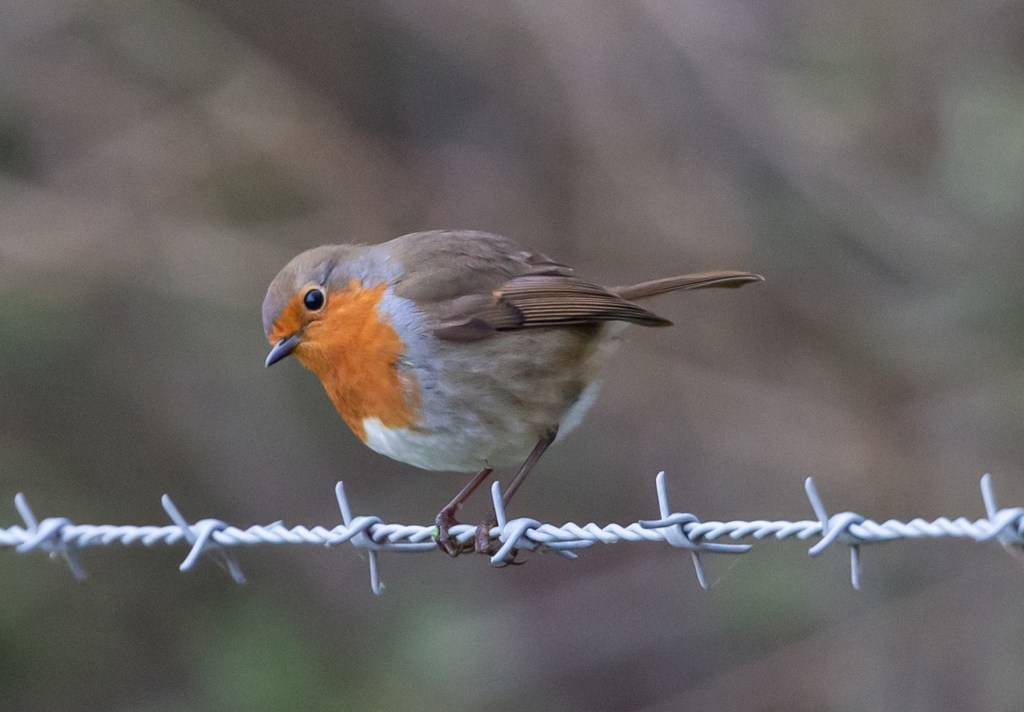
While the poems reflect the poet’s emotional and psychological response to loss and separation, she manages to maintain a careful balance: hope is not abandoned. The recurrent bird theme also provides a framework, an underlying structure. This theme returns in the short closing poem, The robin redbreast. The loved one appears in a dream, as tiny as a bird, and:

Then you grew a beak
with which to pick and sing
and transport worms and roses.

Contrapasso is a confident and authentic debut by a perceptive, astute poet. Her personal tale finds echoes in the reader’s universal story. However long and painful the journey, there can be closure and transformation.

Valentine’s Day

Credit: Megan_Barling via Pixabay

This coming Tuesday it’s Valentine’s Day. Here is an early poem that hasn’t featured on the blog before. It was published in the Tees Valley Writer, Autumn 1995, and Highly Commended in their annual competition.

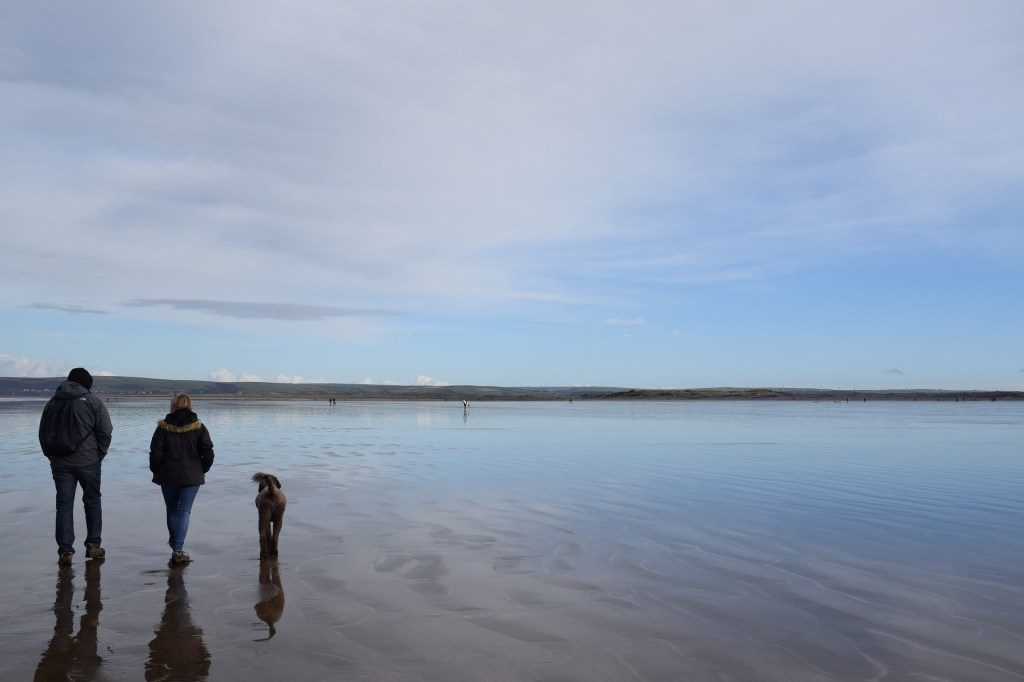
On the beach

Against the sinking sun gulls ride the waves.
Our dogs bark and chase their tails.
Try to run with a lone jogger who braves

the east wind whistling. Your son trails
in your wake, attempts big steps. Laughter peals:
a scene lifted straight from some fairy tale.

Heaped grey boulders mimic a colony of seals.
Not long before love winters in my heart.
I need to tell you how it feels

to be together, yet growing apart.
Your craggy face seems so much older
clouded in a bluish hue. I brace myself to start

as you place a hand on my shoulder
but all I can say is It’s getting colder.

Ode of sorts…

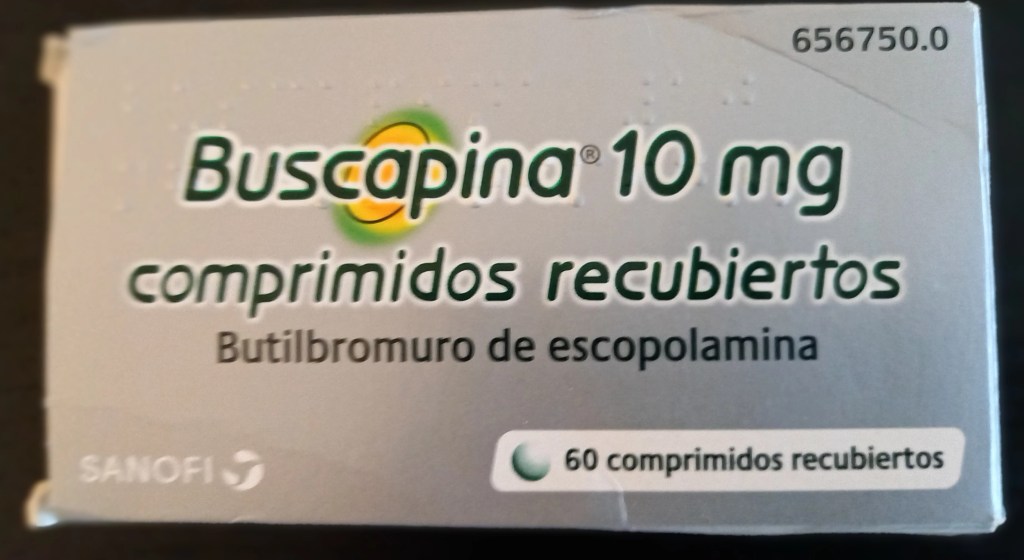
Last Saturday I had to go to the pharmacy in Playa Blanca, Lanzarote to get some over-the-counter medication. It’s an ode of sorts alright…

Normal service will be resumed…

To ‘my’ condition

I salute you: you have staying power.
You arrived out of nowhere 28 years ago.
How odd you only woke up in Manchester,
while you slept through London.

I refuse to call you mine, the two ‘ ’
symbolise handcuffs, shackles.
On long journeys (flights, trains)
I wear dark trousers, a dark dress.

You have grounded me many times,
I’ve been bent over, clutching my bike,
scared to go to the shops in case I
don’t make it to a loo.

An acronym close to that computer firm.
There are dress codes at IBM, I have you know.
Irritable? Yes, often. I’ve been pissed off,
imagine bowels as a curled-up, snarling cobra.

Syndrome is, I believe, where spectators
gather to see retired pilots take off
in noisy small planes. Banking
is a dangerous manoeuvre.

Storks and happiness…

Credit: Michael Schwarzenberger via PIxabay

Storks are said to bring happiness. The bird has been the official emblem of The Hague for centuries. Until the beginning of the last century, storks with clipped wings walked the many fish markets in the city, keeping the streets clean.

I hope this new year will bring health and happiness to you and those you hold dear. The poem is from my new collection Remembering / Disease published last October by Broken Sleep Books. It first appeared in the online magazine Dust, edited by Tara Wheeler.

Storks also feature in my poem High wind. It was selected as one of 20 poems by a jury for the Poetry Archive’s Poetry Archive Now! Wordview 2022. You can see and hear me read it here.

Waiting

The water meadows
are waiting
for the storks to return

always invisible
the other side
of her face

in this book
there is snow
on every page

even an old potato
can be turned
into a Christmas stamp

the naming of colours
is not a science.
I vote for bird’s nest grey

Launch of Remembering / Disease

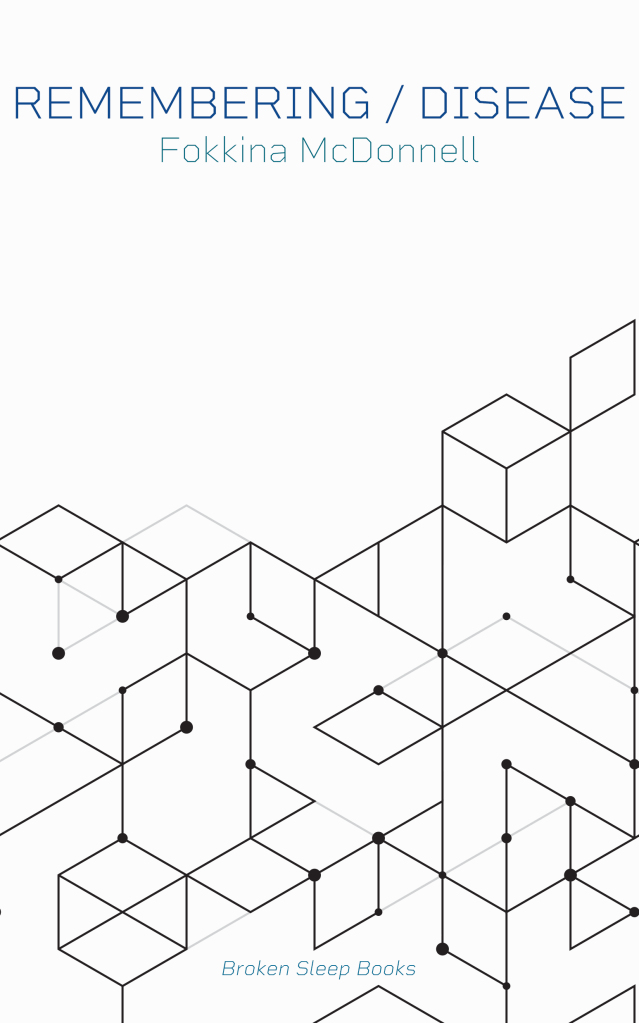
Today is the publication day of my third collection. This evening, starting at 19:30 UK time, there will be a Zoom launch, organised by the publisher, Broken Sleep Books. There is a link on their website to Eventbrite.


Four other poets will also be reading, to launch their pamphlet or collection: Caleb Parkin, Chrissy Williams, Taylor Strickland, and Chris Laoutaris.


The manuscript was awarded a Northern Writers’ Award from New Writing North in June 2020. That raised my spirits during the lockdown. It was a unanimous decision by the Board of Broken Sleep Books to accept the collection for publication. The delicate cover design by Aaron Kent is a great match for the minimalist content.


My poems and I have found at Broken Sleep Books, and I am looking forward very much to the reading this evening.

Turn Up the Ocean – poems

It’s four years this month since the poet Tony Hoagland died. Turn Up the Ocean was published posthumously this year.

The blurb on the back says ‘Over the course of his celebrated career, Tony Hoagland ventured fearlessly into the unlit alleys of emotion and experience. The poems [ … ] examine with mordant wit the reality of living and dying in a time and culture that conspire to erase our inner lives.’


The mordant wit can be found in some of the titles:

  • Four Beginnings for an Apocalyptic Novel of Manners
  • Why I Like the Hospital
  • On Why I Must Decline To Receive The Prayers You Say You Are Constantly Sending


The last few lines of this poem are:


And could you stop burning so many candles, please?


My god, think how many hours and hours and hours –
think of how hard those bees worked
to make all that wax!

Hoagland’s poems often go just over the page and here are the last few lines of Gorgon:

Your job is to stay calm.
Your job is to watch and take notes,
to go on looking.

Your job is to not be turned into stone.

Remembering / Disease

Design, Aaron Kent

My third collection, the award-winning Remembering / Disease, is now available for pre-order with Broken Sleep Books

The poetry entries for the Northern Writers’ Award were judged by the poet Vahni Capildeo. They selected my manuscript, along four others, and praised the ‘beautiful minimalism’ and ‘intriguing poise’.

Here is the poem Secrets which is a prologue:

Secrets

This secret is always circling.
Certain seasons and times of day are its allies.
That much I am allowed to reveal.

This secret can seep through concrete.
A dark liquid is left that even the sun cannot dry.
The spot cleaning burns your hands.

This secret has its own language.
Each secret needs an interpreter.
Few are willing.

This secret is always looking,
the one in the secret always
on the lookout.

These secrets yearn to Rest in Peace.
Bring them flowers, bring ferns,
bring them feathers so they can fly away.

Meeting Paula Rego – writing prompt

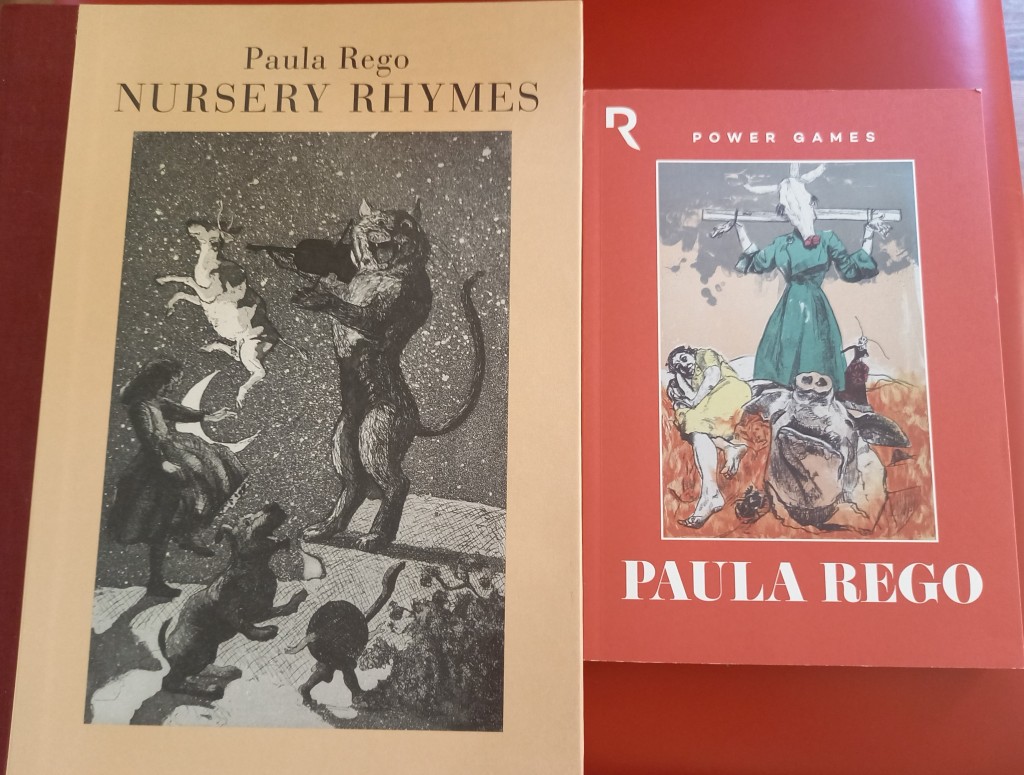
I was sad to learn of the recent death of the artist Paula Rego. Last century I saw her work at the Whitworth Museum in Manchester, UK. That’s when I bought Nursery Rhymes. In March this year I went to the first major retrospective exhibition of her work in The Netherlands – at the Kunstmuseum here in The Hague. The museum shop had copies of Power Games.


I admire her as a person and an artist. As she told it ‘art was a way to work through fear and trauma, to soothe and comfort, as well as to erase, attack, scratch out and destroy.’

Whitworth Museum, extension


After a major refurbishment the Whitworth reopened in 2015. I would have liked very much to meet Paula Rego and talk with her about life and art. This imaginary meeting is set in the new café. The poem was published in my pamphlet A Stolen Hour (Grey Hen Press, 2020).

Meeting Paula Rego at the Whitworth, Manchester

Shading her eyes with a small black fan
she looks distressed and even out of place.
Ash trees cast a greenish shadow on her face.
To me she seems older now, frailer than
in the short winter days of that other year when
the quiet ghost of a drowned baby played
with black hen, spiders, women who prayed
for open roads, escape, a private den.

There was a boating lake once in the park.
We wait for panini, service is slow.
Café in the trees, I say, canopy.
Her earrings sparkle, her eyes are still dark.
It’s from the Greek; “konops” means mosquito.
Paula’s face lights up; her imagination set free.

27 June, the day after her birthday

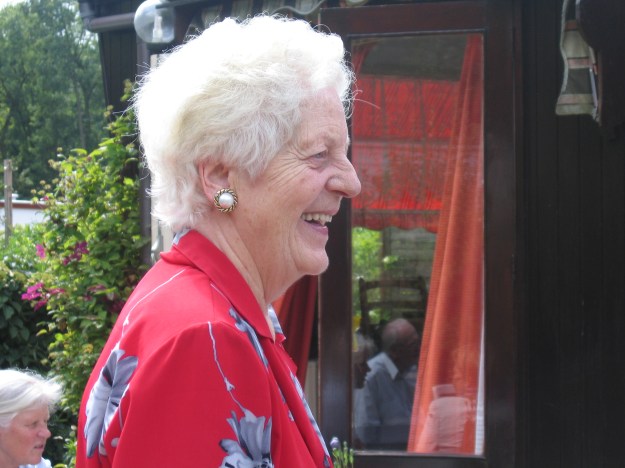
Today would have been my mother’s birthday. The photo was taken at my 60th birthday party which I celebrated in the garden of my friend’s caravan – the one I was to inherit just three years later.

The poem describes a time when my mother was still living independently. As I lived in England, the opportunities to help were limited. I happened to be over in the Netherlands.

27 June, the day after her birthday

I’d left a note on her bedside table
Don’t eat, don’t drink when you wake up.
We walk arm in arm, it’s warm already.
The doctor lives two houses down.
A blue Scandinavian cotton dress,
chunky necklace and earrings to match.
My mother does not look eighty-one.

That blood test done, we sit and face him.
Slightly raised, but no need to worry.
How are you keeping he asks my mother
who smiles, puts on her usual pose, I’m fine,
while I shake my head silently.

She’s leafing through her diary.
It says, Doctor, 8 o’clock.
We’ve been, now it’s time for coffee.
I want to go upstairs to pack.
Before you go, just one question
The matt-green door frame cuts the scene.
I wave, but she frowns at her diary.

Games – poem

On a rainy Bank Holiday Sunday it’s good to be reminded of old poems and successes. Poems that are accepted for publication disappear into the folder ‘Published’ and into books and magazines that sit together on a shelf. Out of sight, out of mind…


For many years through the 90’s I kept this green A4 certificate with the impressive signatures in a clip frame at the bottom of the staircase. It was a daily reminder that I could write through what was a dark period in my life.

Credit: Public Domain via Pixabay

Games

I watched the old men in the park today
playing bowls, much the same as yesterday.
Smiles all around and gentle teasing by the winners.

I wondered whether at their age
you would have needed stick or hearing aid.
If your hair would turn to yellow-white or grey.

You never tried your hands at bowls, did you?
An old man’s game you called it.
Surely, much more fun than kicking up the daisies?