Category Archives: Writing Prompt

Wassenaar via Lalibela

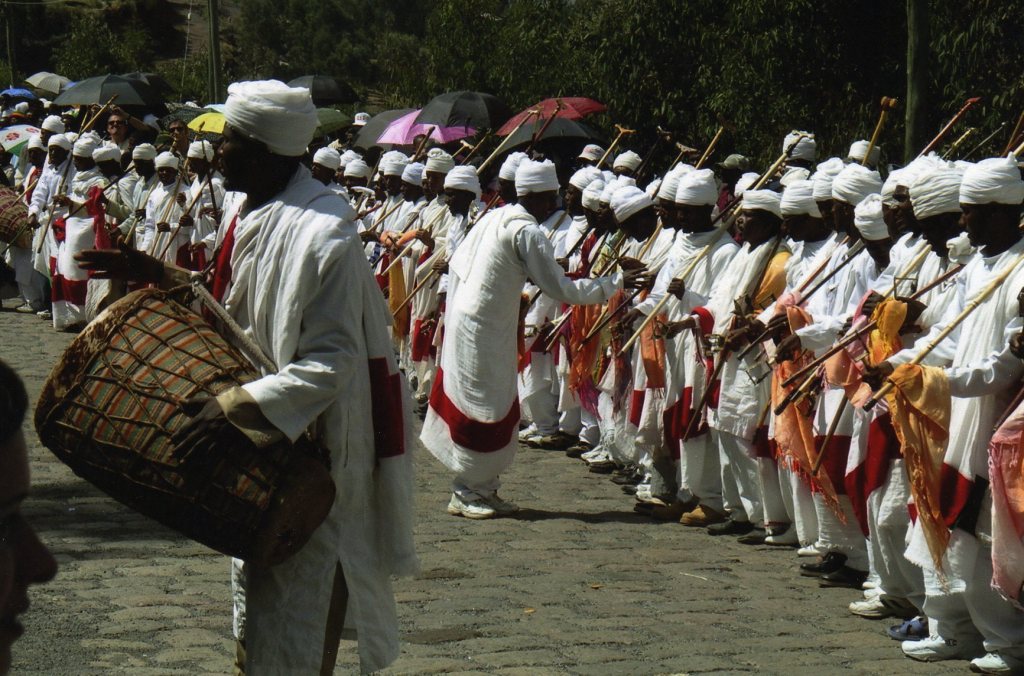
Priests at the Timket celebration, Lalibela

Yesterday, the camping where I have my static caravan opened for the season. This post explains how I ended up in the Netherlands via Ethiopia.

Marianne Carolan and I met through being students at the Open University. She had come across a young boy while on a study tour of Ethiopia. She started to sponsor him. Her friends, colleagues and neighbours followed suit. As the young people finished secondary education, the cost became too much for individuals. Therefore, Marianne set up the Lalibela Educational Trust (LET) in 2006 to raise funds which paid the fees for University and Nursing College.

With Marianne and several other sponsors I travelled to Ethiopia in January 2007, during Timket, the Ethiopian Orthodox Tewahedo Church celebration of Epiphany. I met my ‘son’ and his widowed mother. With its rock churches, Lalibela is a UNESCO World Heritage site.

Early this century Marianne had bought a second-hand static caravan in Wassenaar, the small town near The Hague which was her birthplace. At the time of her death in July 2008, the charity was sponsoring 26 young people. They are now doctors, engineers, nurses, IT professionals and entrepreneurs. She left her old caravan to me and I bought a new one a few years later.

Marianne Carolan (centre)

Night Flight, January 2007

Addis Ababa to Heathrow.
Us two, stretched out
across three seats
at the back of the plane.

Lalibela and the rock churches.
We wear the Shamma
they gave us for Timket:
The boys we sponsor.

Abolition

Lat month I was in Manchester, walking down Portland Street on my way to Piccadilly Station. It reminded me of my brief time (seven months) when I worked for the Greater Manchester Council (GMC). With my boss I ran workshops helping to prepare staff for job applications, CVs, interview techniques and salary negotiation. The GMC was the top tier local government administrative body. Its 106 members came from 10 district councils with which it shared power from 1/4/1974 until 30/3/86. Most of those district councils were Labour: not to the liking of Margaret Thatcher. Her Conservative Government abolished the GMC as well as the GLC (Greater London Council). Hence all that preparation for new jobs.

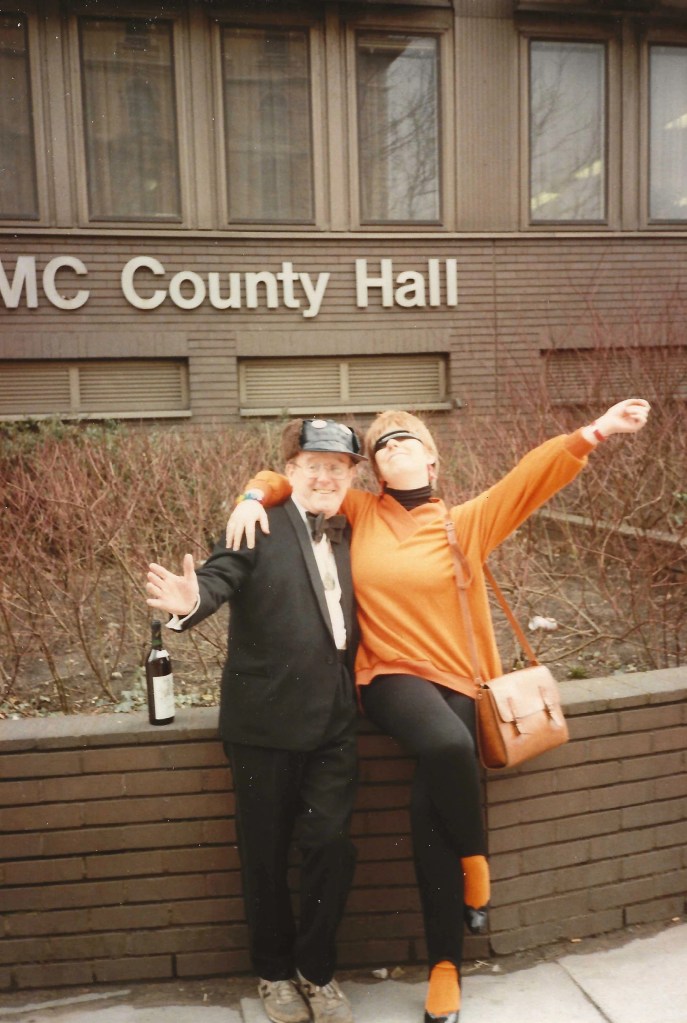
Abolition Greater Manchester Council, March 1986

That was the time I went as a dominatrix.
I wore my jodhpurs, riding boots,
carried a whip. I had my Cleopatra eyes,
and black bra under a side-less top.

Rebecca, my boss, had dyed her bob orange.
Tony, always modest, in dinner jacket,
bow tie, trainers, and baseball cap.
Black lace gloves for the HR woman in the wheelchair.

The young clerks were versions of cowboys and Indians.
We conga-ed across the zebra crossing onto Piccadilly Gardens.
Later we carried on drinking in the empty offices,
stroked and kissed the bricks of County Hall.

A Reader’s Guide To Time

It is a great pleasure to introduce this month’s guest poet Rebecca (Becky) Cullen. Her poem February appeared last month. Becky and I met on a poetry workshop where I bought A Reader’s Guide To Time. This was the winner of the 2021 Live Canon Collection Competition.

Here is Becky’s biography:
Rebecca Cullen has a PhD in Creative and Critical Writing. She was the second poet-in-residence at Newstead Abbey, ancestral home of George Gordon, Lord Byron. Director of the Writing, Reading and Pleasure (WRAP) extracurricular programme at Nottingham Trent University, Rebecca also curates and presents the Notts TV Book Club.

Photo credit: Fabrice Gagos


The collection is divided into eight sections, each representing a different kind of time. Becky ends her prologue with It’s time I love, winding as a cat wraps round an ankle. Here are four poems from Historical Time (n.b. timelines, clocks), Deep Time, Poetic Time (also ‘of Reading’) and Subjective Time (‘of our lives’), respectively.


Paris, Grands Passages

To enter requires trust: you can’t see the end
from the beginning. You can’t see the next beginning.

Shop names are the contents page; each entrance
is a diorama. Post yourself into the future.

At Hotel Chopin, climb the three red stairs.
Would you like to buy a sink? A model of a carousel?

The tiles are monochrome and harlequin.
The gates can keep you out, or keep you in.

In the window of the librarie, two wax children
read a book, sitting in a rowing boat.

Claim a tall-backed chair at the café draped in vines,
warm beneath the glass roofs pinched like fish spines.

The taxidermist stitches swans’ wings to a fox.
Come, watch the past play, hear your heels knock.

Night Fragment

He wakes her with a ball of sorry.
He wants her to hold it, keep it,
as brash and bold as the coin in her lungs.

His sob comes, warms her gut,
the flex of his young arm gone.

In the four o’clock light,
her face is crumpled, dirty.

Garden at Newstead Abbey

Peacocks at Byron’s Pile


I had a dream of Newstead Abbey,
that I was drifting through the garden
and the blowsy flowers were heavy on the walls.

The words are just ahead of me this morning,
the word for a large purple or white blowsy flower,
a climber, and a tree’s branches so they grow

outstretched in two dimensions. Espalier.
Both these things are in my head, somewhere,
but the sparrows roost near the monk’s pond,

which also has its own name,
and overlook the stump of oak on a lawn
where a raven has been adopted by two geese;

they are always in correspondence, everywhere
the remnants of a godforsaken kiss,
the three of them, like this. Clematis.

My Father and I

Sometimes we didn’t get on. The songs I sang
would please his ear. But I would over-act, embarrass him.

Now we go to appointments more often than we go for lunch.
After the last tests he couldn’t be left alone. I spread across one sofa,

he slouched on his, and we watched a documentary on Howard Hughes;
I didn’t know about the aviation or the Hollywood years.

So. We both kept turning up, not giving in.
Lately, I’ve taken to calling him daddy.

Irish men

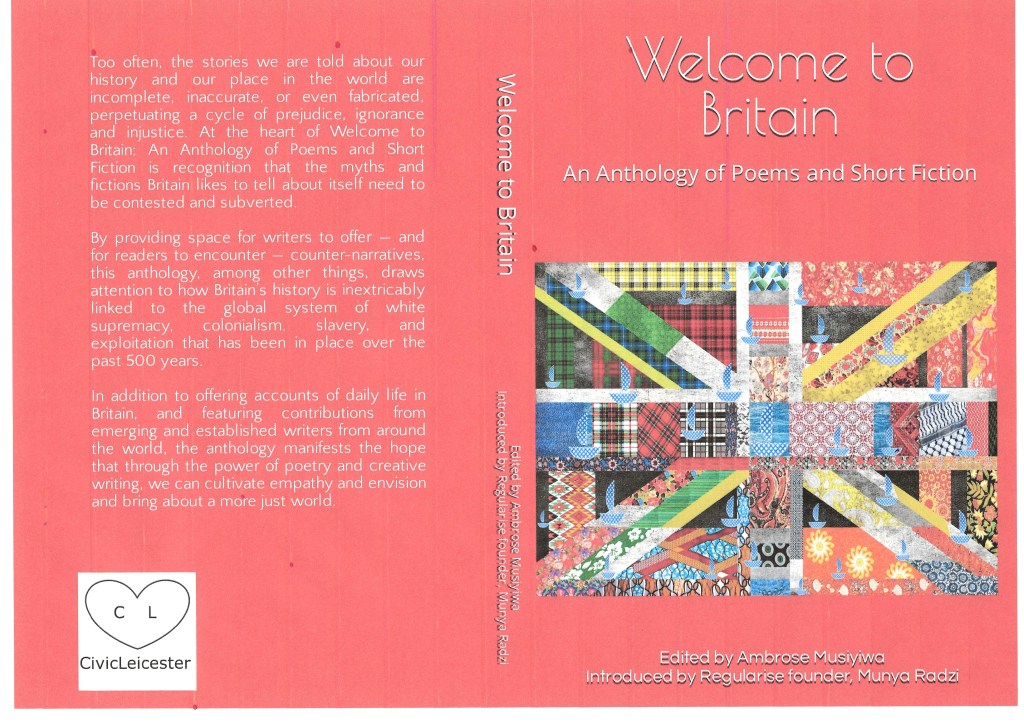
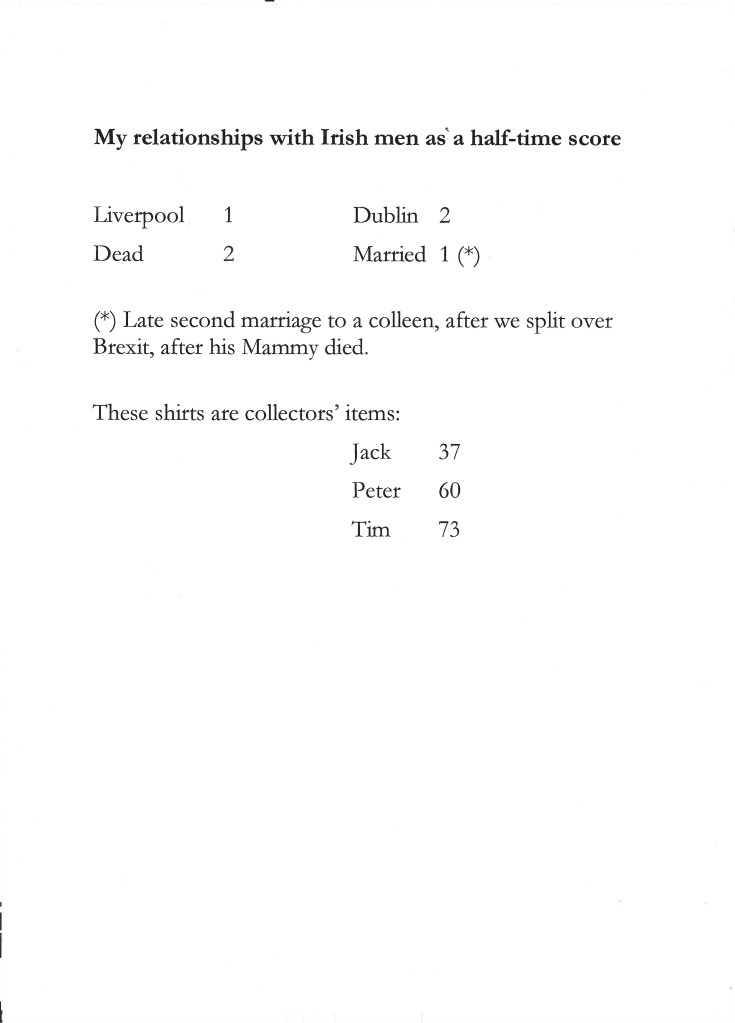
As I have an Irish surname and it’ll be St. Patrick’s Day this coming week, I am sharing this short poem. Many thanks to the editors of The Madrigal for accepting it for an Áitiúil: an anthology, jointly with the Martello Journal. It was published in September 2022.

Books, books, books…

World Book Day is on the 23rd of April. In the UK it takes place on the 2nd of March to avoid clashes with spring school holidays and St. Georges’ Day.


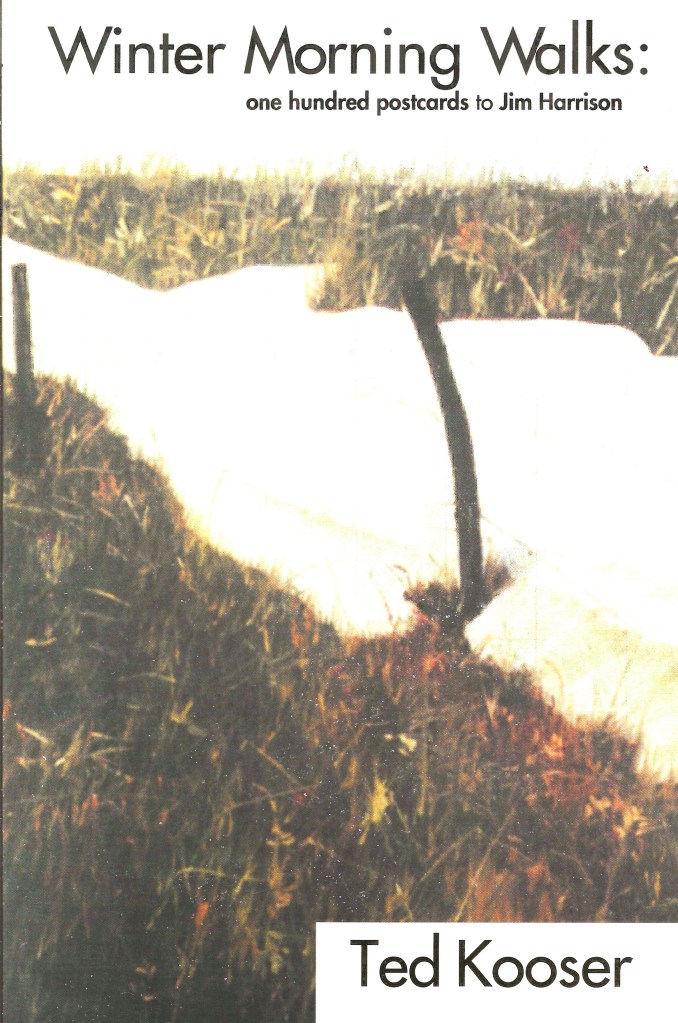
A fellow poet introduced me to the American poet Ted Kooser, now in his early 80s. His style is accomplished, yet extremely simple. My current bedtime reading is his poetry collection Winter Morning Walks: one hundred postcards to Jim Harrison (Carnegie Mellon University Press, 2001).


In the late 90s Kooser developed cancer. He gave up his insurance job and writing. When he began to write again, it was to paste daily poems on postcards he sent to his friend and fellow writer Jim Harrison. In the preface, Kooser tells us ‘I began to take a two-mile walk each morning. I’d been told by my radiation oncologist to stay out of the sun for a year because of skin sensitivity, so I exercised before dawn, hiking the isolated country roads near where I live.’ These country roads are in Nebraska.


The poems cover a period from 9 November until 20 March. In the poems Kooser doesn’t directly talk about the illness. He does so through metaphor. All the poems include a brief description of the weather. The clear and precise observation gives them a haiku quality.


Here is his postcard for march 5:

Very windy and cold.


A flock of robins bobs in the top
of a wind-tossed tree,
with every robin facing north
and the sky flying into their faces.
But this is not straightforwardness,
nor is it courage, nor an example
of purpose and direction
against insurmountable odds.
They perch like this
to keep their feathers smooth.

The price of cauliflowers

Credit: Pixaline via Pixabay

I’m not keen on them, so I’m not buying now they’re 4 Euro each. Dutch growers have kept their glasshouses empty because of the cost of gas and electricity. I was lucky, though, to be accepted as a patient by a GP practice in the town I moved to. Lucky also that my journey to the implantologist involves two trams: there were strikes again on regional buses last week.


This poem, from a recent workshop, is a snapshot of life in The Netherlands.

Word jij onze nieuwe collega?

Outside every restaurant and café two blackboards:
one with a menu, the other asking for a sous-chef,
a washer-upper, or bar staff.
Freek van Os, the expensive plumbing business
is even renting lit-up space by the side
of a bus shelter. They need a planner,
and also have two technical vacancies.
Manda, my hairdresser, had found
a 42-year-old Afghan woman, single parent,
career-changer. When I came in a month later,
she’d changed her mind. Legal cases are abandoned,
judges are dead or retiring. As are many GP’s.
They’re not signing the new contracts, anyway.
Not much the government or the insurers can do.
People want to work fewer hours, it’s said, not more.

Valentine’s Day

Credit: Megan_Barling via Pixabay

This coming Tuesday it’s Valentine’s Day. Here is an early poem that hasn’t featured on the blog before. It was published in the Tees Valley Writer, Autumn 1995, and Highly Commended in their annual competition.

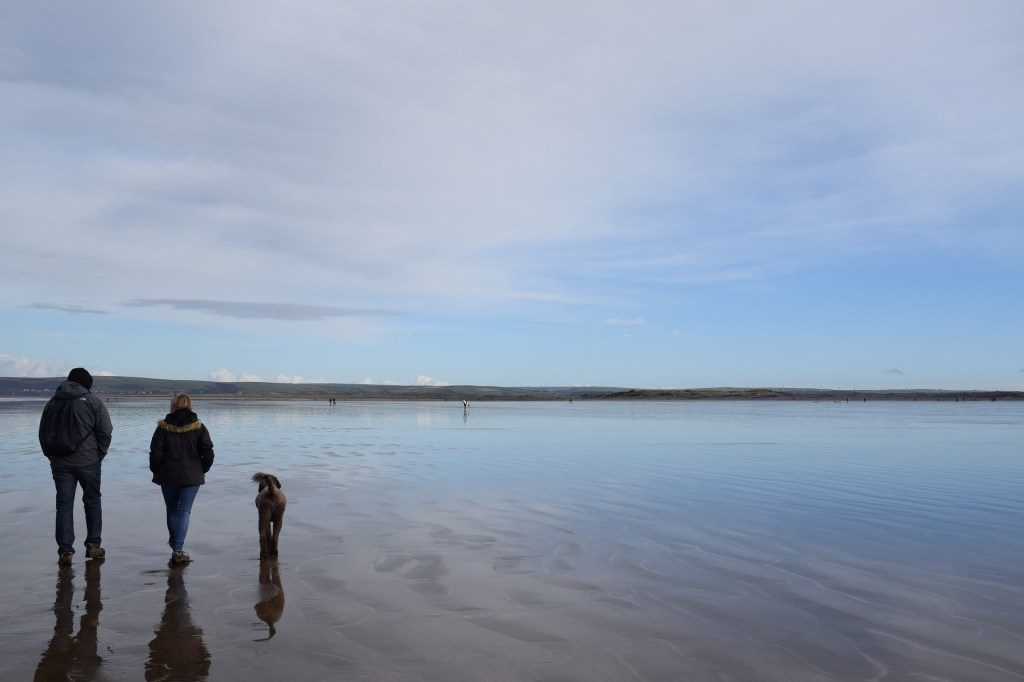
On the beach

Against the sinking sun gulls ride the waves.
Our dogs bark and chase their tails.
Try to run with a lone jogger who braves

the east wind whistling. Your son trails
in your wake, attempts big steps. Laughter peals:
a scene lifted straight from some fairy tale.

Heaped grey boulders mimic a colony of seals.
Not long before love winters in my heart.
I need to tell you how it feels

to be together, yet growing apart.
Your craggy face seems so much older
clouded in a bluish hue. I brace myself to start

as you place a hand on my shoulder
but all I can say is It’s getting colder.

Friendship

Friendship is the theme of this year’s Poetry Week, celebrated in The Netherlands and the Flemish-speaking part of Belgium through 400+ events. It starts on Thursday 26 January. Miriam Van Hee (B) and Hester Knibbe (NL), two poets who have been friends for almost 40 years were commissioned to write five poems each for a book. In a recent interview they said that trust and curiosity are key elements for a friendship to endure and last.

Anyone who spends over 12,50 Euro on poetry books during Poetry Week will be given a copy. It’s not hard to spend that sort of money, as poetry books are expensive in The Netherlands!

Here is my poem on the theme of friendship: memories of a long weekend in Vienna in 1994.

Vienna

I would gladly return,
walk with Wendy through
the rain to the museum,
see the Hunters on the Hill –
tired, wet dogs, in the Little Ice Age
when frozen birds fell from the sky.

I would gladly go back there,
view grey buildings slide past,
hear the clanging bell.
Schwedenplatz, umsteigen.
A trolley bus securely attached
to the two lines above.

Above Redmires

The poems of James (Jim) Caruth have featured on the blog before. Here is the link. Last year his new collection, Speechless at Inch, was published by smith/doorstop. It was shortlisted for The Derek Walcott Poetry Prize 2023.

The striking cover image is of Janet Mullarney’s The Straight and Narrow. Made in 1991 of painted wood, it measures 228 x 320 x 137 cm. It’s in the collection of the Irish Museum of Modern Art.

Here is a seasonal poem from Speechless at Inch:

Above Redmires

It was mid-December, a back road
through the low hills that nurse
the city’s northern edge, when I came upon

a flock of black-faced ewes
crowded in a corner of a field,
a squeeze of tattered wool and clouded breath.

I stopped the car to look around,
searching for a dog slipped the leash
or a fox tasting the air along the hedgerows

but as far as I could see
there was no other living thing
between those frightened sheep and me.

Biography

James Caruth was born in Belfast but has lived in Sheffield for over thirty years. He has had several pamphlets and a collection published: A Stone’s Throw (Staple Press, 2007), Marking the Lambs (Smith/Doorstop, 2012), The Death of Narrative (Smith/Doorstop, 2014) and Narrow Water (Poetry Salzburg, 2017).

Winter Sun Speaks

I am delighted to feature the poem Winter Sun Speaks by Maggie Reed. We first met on a residential workshop several years ago. The picture of winter sun is also by Maggie.

Winter Sun Speaks

I birth my cry through cloud layers
push my weight low over the southern horizon,
strident, desperate, slanting over the hills
forking through trees, splintering ice.
I blind drivers on the school run.

How I ache for summer skies, to leap and arch
over the earth, spread light, energy and love.

But for now my shriek, my low level beam, insists
my right for the few hours I’m allowed
to crisp up these dark winter days.

Biography:

Maggie Reed lives in the Malvern Hills, Worcestershire, having spent much of her life in Cumbria. Her current collection Let Small Wings Fly was self-published in 2021 to accompany the Arts Council funded travelling art exhibition ‘Mappa Marches’ that visited libraries and art centres across Herefordshire throughout 2022.

She has been published in several journals, including The North, Orbis, Poetry Birmingham, Pennine Platform, Three Drops from a Cauldron and Poetry Village, and has been included in anthologies such as This Place I Know (Handstand Press, 2018), Places of Poetry (One World, 2019), When All This is Over (Calder Valley Poetry, 2020), Poetry of Worcestershire (Offas Press, 2019) and In the Sticks (Offas Press, 2021). She won the Poem and a Pint competition (judge, Carrie Etter) in 2019.