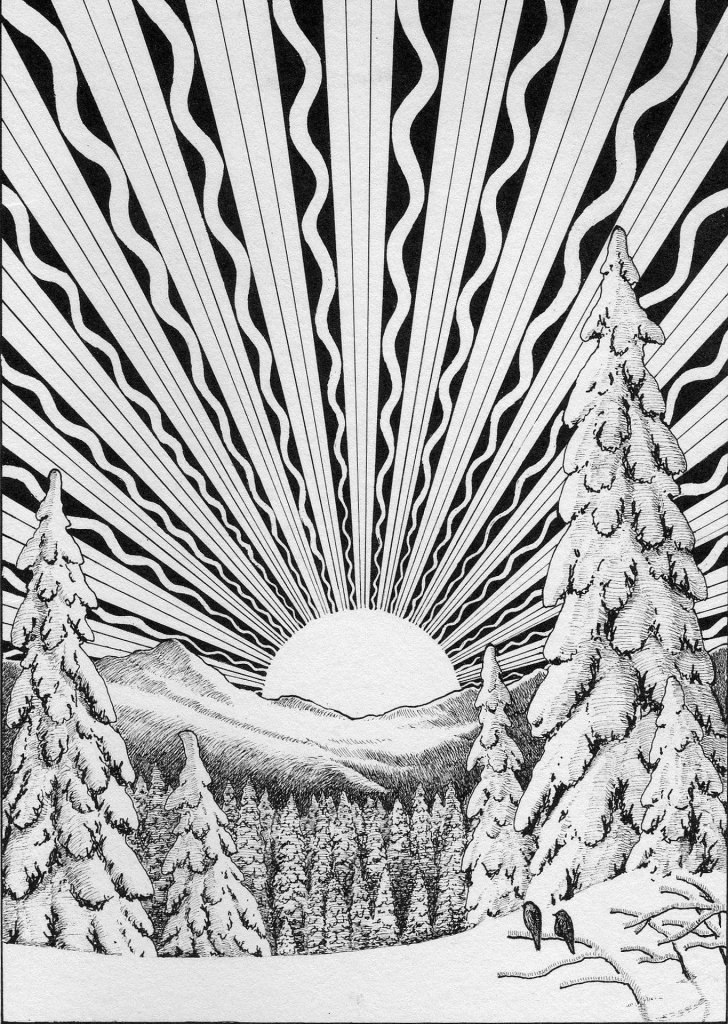
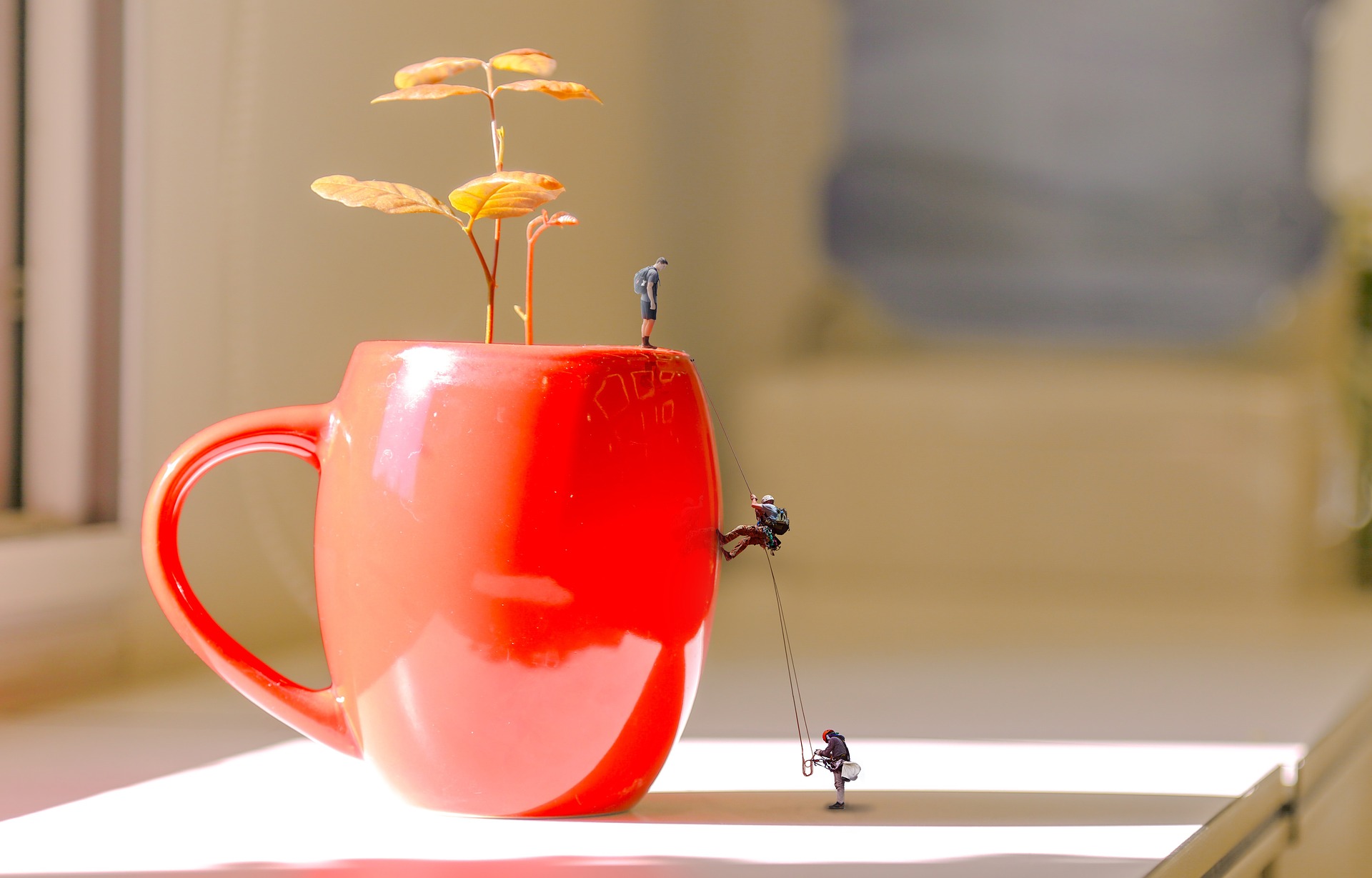
It is almost Solstice, the day in December that means the most to me: the shortest day, the gradual turn towards the light.
I will celebrate with a short meditation, then some music and mulled wine. I send you warm wishes for Solstice, Christmas and for the New Year. Thank you all for your support and your comments. On Sunday 3 January I will post again.
The marvellous illustration is by gdizerega on Pixabay, and the winter solstice haiku by Matthew Paul. It was first published in The Haiku Calendar 2014.
winter solstice the street-cleaner picks up a glass half full
At a recent workshop I read from Winter Migrants, a collection by Tom Pickard. I saw the title and cover in an email from Carcanet, the publishers, and knew I would have to get the book. A short sequence and individual poems bookend a selection from Fiends Fell Journals.
This is a poetry-diary, or haibun, composed over the decade Pickard lived alone on the wind-blown North Pennines. The two dozen entries cover the period June 2003 – February 2004. They vary in length from a few lines to a page. Here is an example, showing Pickard’s sharp vision and economy of language:
12 February
Late at night, without a coat and the wind still raging, an old woman from the cottage hospital in Alston, banging on the deserted mortuary window, demanding entry – convinced she is home.
Water drapes over worn flattened rocks, smooth as curtains.
Birds appear frequently in the Journal – an alert kestrel, a growking raven, snipes, curlews – and in the title sequence – the Solway estuary where winter migrants gather / in long black lines.
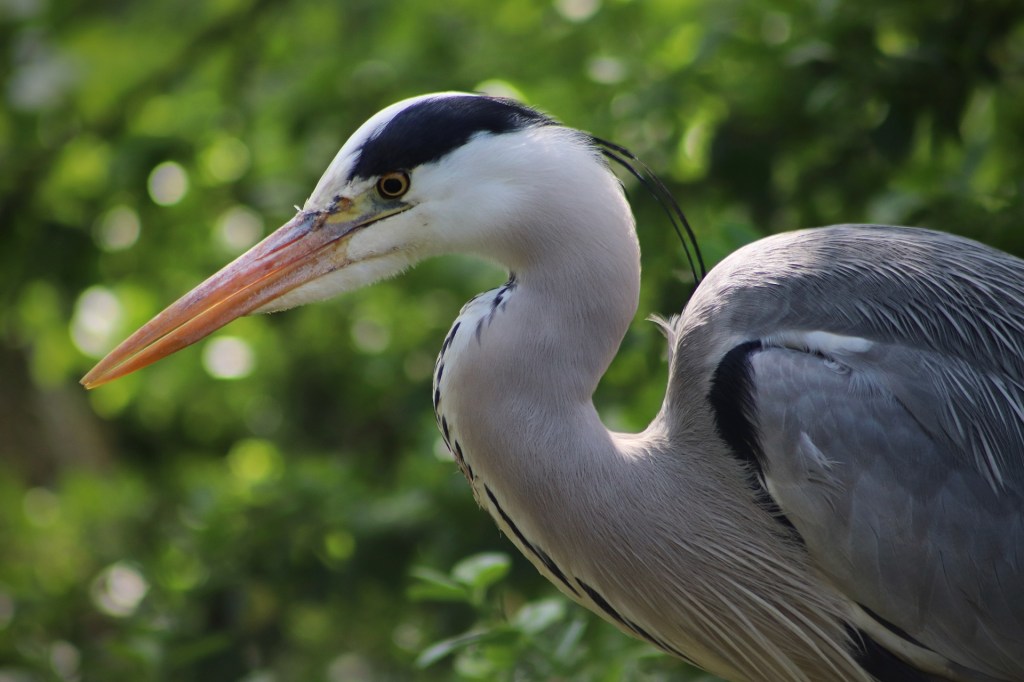
Heron, Annette Niemeyer, via Pixabay
This is also from Fiends Fell Journals:
A heron criss-crosses the lashing syke, fast, with sudden thaw,
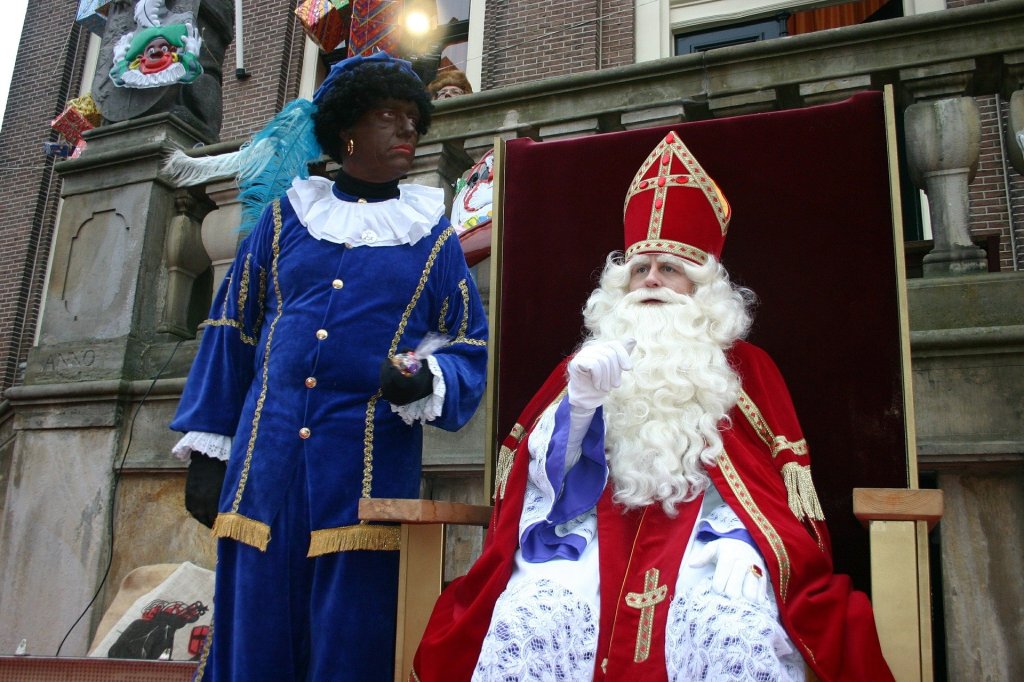
St Nicholaas arrives in the Netherlands by boat, each year at a different port. He then rides through the town on his white horse. It’s on the mid-November Saturday. In the three weeks’ run-up to St Nicholaas Eve (5 December) he will appear in other towns, always with at least one Zwarte Piet who carries a large bag with goodies and, traditionally, a birch bundle to clean a chimney. But, as children we were told that, if you were naughty, you’d get spanked – even worse, you might be put inside that bag and taken away to Spain …
Since 2010, there has been growing concern about Zwarte Piet and racism. There have been demonstrations for and against the tradition. Motorways have been blocked. Arrests made.
St Nicholaas and Zwarte Piet, olliebrands0 via Pixabay
The arrival of St Nicholaas attracts large crowds: not good in a pandemic. This year the Dutch, pragmatic as ever, have killed two birds with one stone. The holy man arrived in a non-existent village, called Zwalk. The verb Zwalken means to drift, wander about. His arrival was shown live on Dutch television on 14 November. There were no crowds, no protesters.
Here is the white horse, a display in the famous Bijenkorf store in Amsterdam.
The traditional sweets connected with St Nicholaas were already in the shops late September when I was due to travel back to Manchester. Alphabet letters, capitals in dark or milk chocolate, along with marzipan figures, gingerbread cookies (pepernoten), speculaas filled with almond paste…
St Nicholaas sweets and cookies, nietjuh via Pixabay
Once children know the truth about St Nicholaas – that he is based on a Greek bishop who lived 270 – 343 in Myra, in what is now Turkey – and they have pocket money, they can buy presents for other members of their family. Traditionally, these are hidden in a surprise – a humourous, unusual or personalised packaging, made of papier maché and painted. These may come with a “poem” that is supposed to come from the good old man himself. Poor St Nicholaas can only compose doggerel!
St Nicolaas writes to my dear brother. He wants to know: Why is it so much bother
for you to take a turn at doing the dishes? The knives and forks are not dangerous fishes!
Coffee cups, soup bowls, the dirty plate: Why do you always leave it so late?
The plastic bowl with soapy water isn’t deep. Honestly, you won’t drown, you could do it in your sleep!
Promise St Nicholaas that you’ll improve and he’ll send you some presents and his love.
I’ve been sorting and clearing papers and poems. This poem was written a couple of years ago in a workshop with Peter Sansom of the Poetry Business. We were at the Manchester Art Gallery and were sent out into the galleries to find an art work, then write a poem about it. All that and have a quick lunch too!
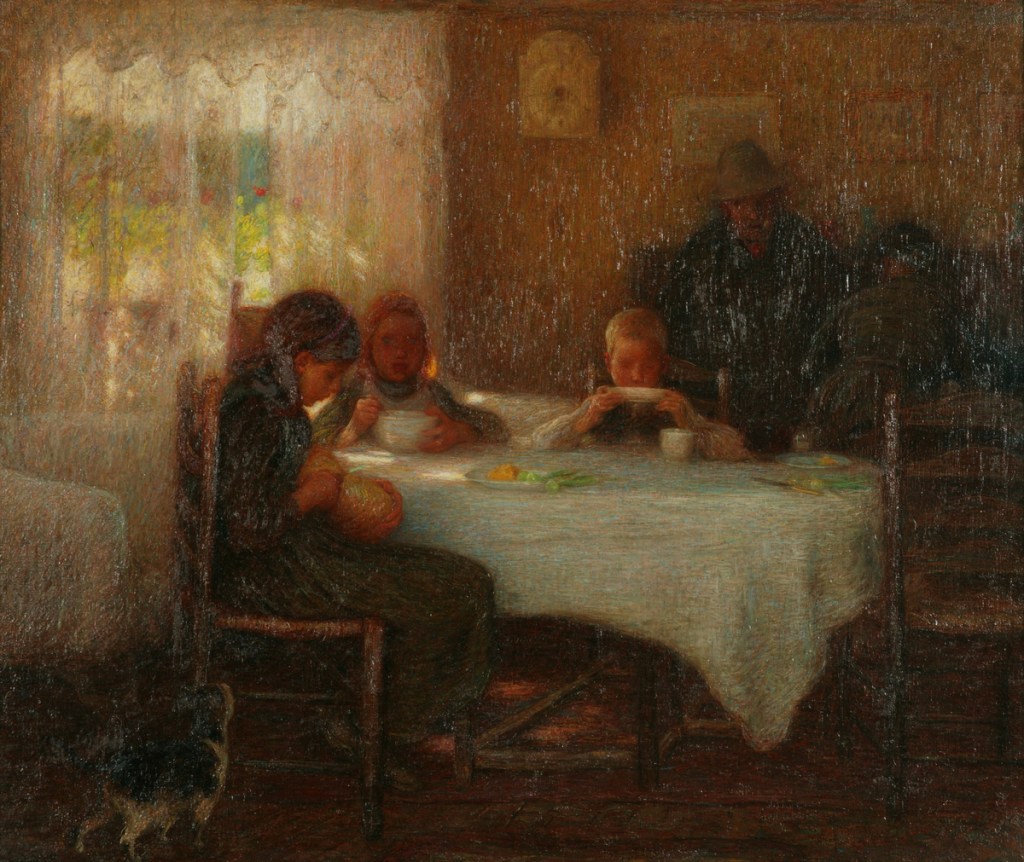
The inspiration was the painting Sunday morning by the Victorian painter Edward Stott. A quiet image for a quiet poem.
Sunday morning, Edward Stott, Manchester Art Gallery
Sunday morning
Through lace curtains a shining sun red flowers in the garden.
Father and mother in black at the back of the painting.
The small girl with ginger hair holds a large white bowl.
The boy to her left blond cropped hair drinks from a saucer.
A black-and-white cat looks up at the older sister slicing bread on her lap.
He has borrowed both children and adults: all live here in the village.
Much of the collections at Manchester Art Gallery is now accessible online.
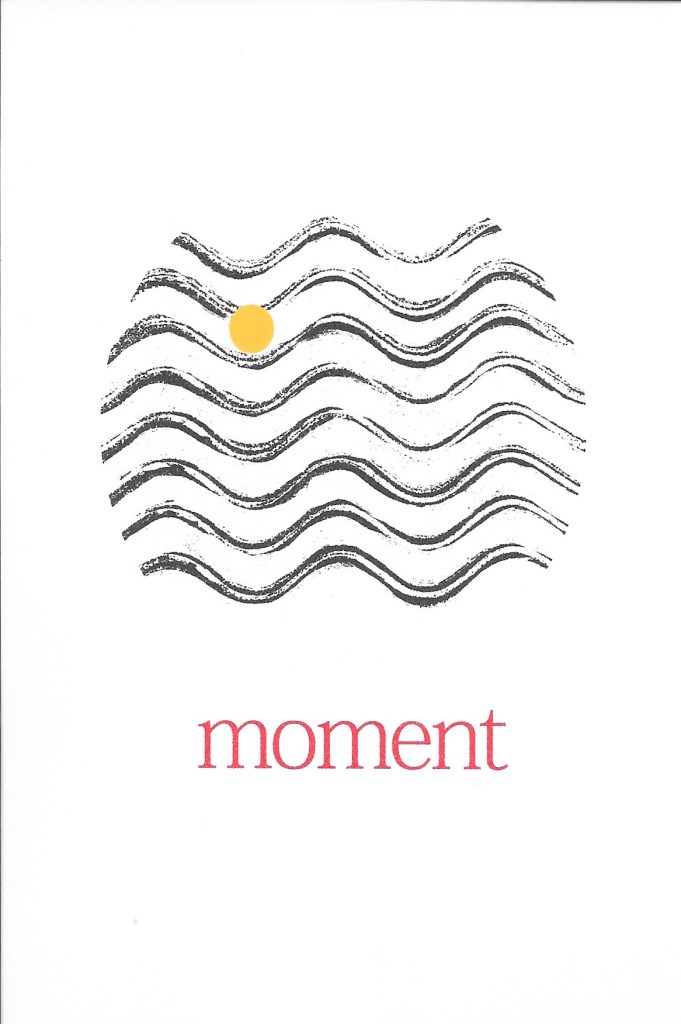
Moment arrived at the beginning of the year. A wonderful surprise. It’s a pocket-book size anthology of haiku, senryu and tanka by Ian Turner. Ian, this month’s poet, was for many years a member of our regional haiku group which used to meet monthly. After his 30-year career as an Fine Art Lecturer, he relocated with his partner to France where he is now a practising fine artist.
Beautifully produced on thick cream paper, Moment includes well over 300 haiku. Ian has organised these in small sets on a number of themes which recur through the book: the seasons, various places and locations, both in nature and urban, animal behaviour, human activities. So, there is variety and consistency. The poems cover the period 1997 – 2020 and most have been previously published in quality haiku magazines: Blithe Spirit, Presence, Snapshot Press, Shamrock Haiku Journal.
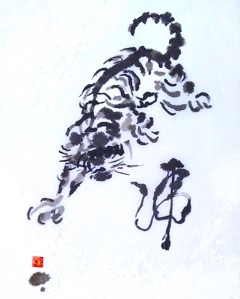
Ian tells me he is photophobic, so instead here is the image of indigotyger, Ian’s taoist spirit persona. I hope you enjoy my selection from his anthology.
that’s me in the far thistle field stalking a tethered pit pony hooves and heart skip a beat
early thaw a snail emerges from the meter box
hospital maze I become number seven on a pink plastic chair
the cool silence of a prayer room last flight call
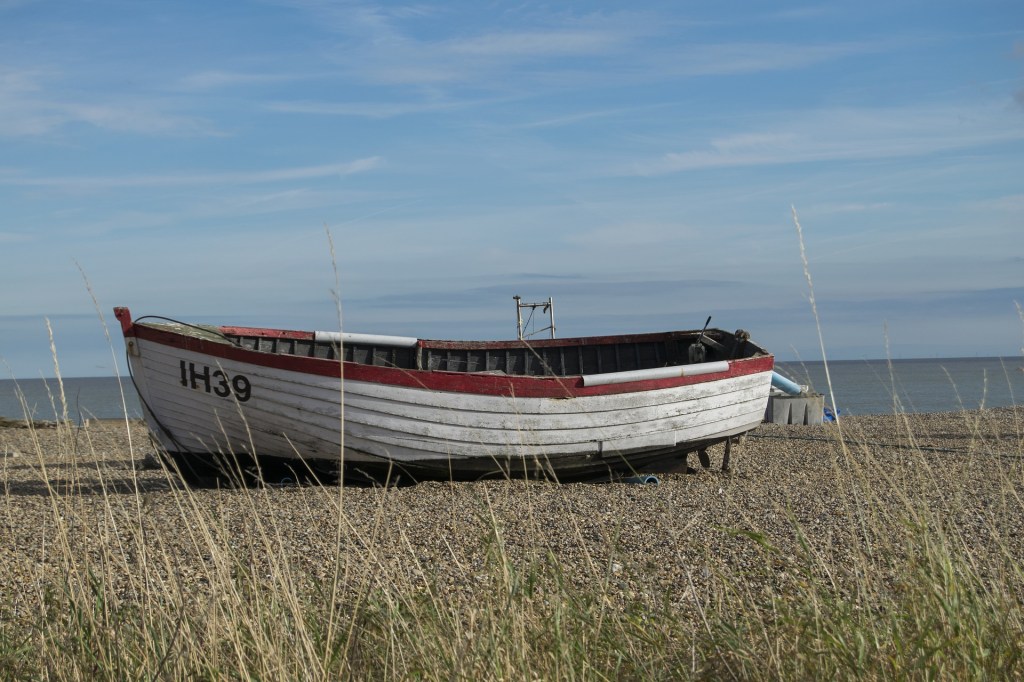
swishing shingle the putter of a fishing boat in a smudge of light
throngs of tour coaches a gypsy woman’s empty paper cup
phantom moon red deer at the turnpike in their own time
yet more protests riot police greet each other on both cheeks
stood in a rippling white cloud the black calf
safe storage facility a life free of stuff so insecure
wild sage deep in the maquis a clank of goats
after a squall the ink stained letter in an unknown hand
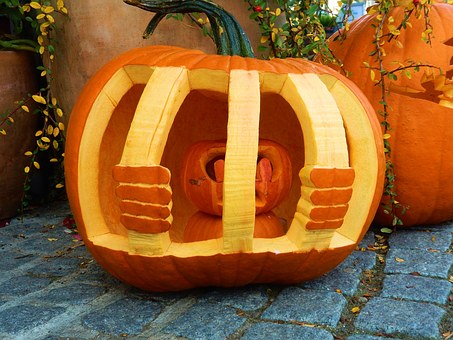
Earlier this week I read for Todmorden Wednesday Writers. The Zoom event was well attended, with the open mic attracting poets from UK and abroad. I still want to abolish January – blogged about that before. The Todmorden poets liked this November poem. The pumpkin picture perfectly represents how I’m feeling right now – lockdown in November!
November
The month that offers only Halloween and All Souls’ Day. That Danish hygge nonsense – an IKEA trick to sell more scented candles, cocoa, woollen blankets with a Nordic pattern. All those Scandinavian series – Killing, The Bridge, different actors playing Wallander, every instalment set in November. Groundhog month. Lit-up pumpkins will never warm the knuckles of your heart. Every November day is an odyssey. To be away twenty years and be recognised only by a mangy old dog. Check your bonfire for hedgehogs, remember Battersea Dogs & Cats Home in your will. Do away with Christmas.
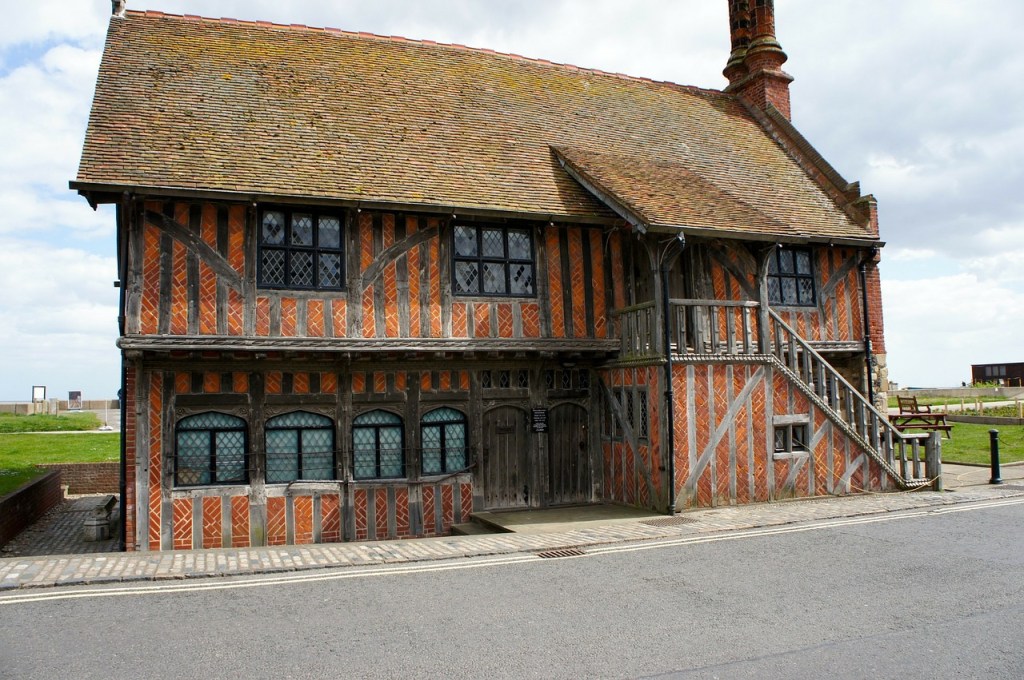
Moot Hall, Aldeburgh, Suffolk. Photo in public domain
I’m delighted to be reading at Poetry in Aldeburgh. The reading, called Between Places: Britain and Europe, will take place on Saturday 14 November, 12:00 – 13:00 London time. Also reading will be poets Sharon Black (France), Alex Josephy (Italy) and Christopher North (Spain).
The readings are free to attend. You just need to register at the Poetry in Aldeburgh website, to get a link to the Zoom event. The Festival runs from Friday to Sunday.
I will be reading new work, written in my caravan in the Netherlands during the last six months. When I selected the poems, I came across one which reminded me of “Poetry in the Plague Year”. Jim Bennett of the Poetry Kit set up this project. It’s an international project with contributions from many countries: https://www.poetrykit.org/plague.htm
My short poem, written on 29 March, is below.
Credit: marcart via Pixabay
Poem
CORE i3, a blue laptop, my lifeline to the world. How to fill the time until sunset?
If he was here…no, he is someone’s husband now. The only snow, spiraea in the hedge.
All that’s well will end. My friend Helen emailed There’ll be a cremation, no ceremony
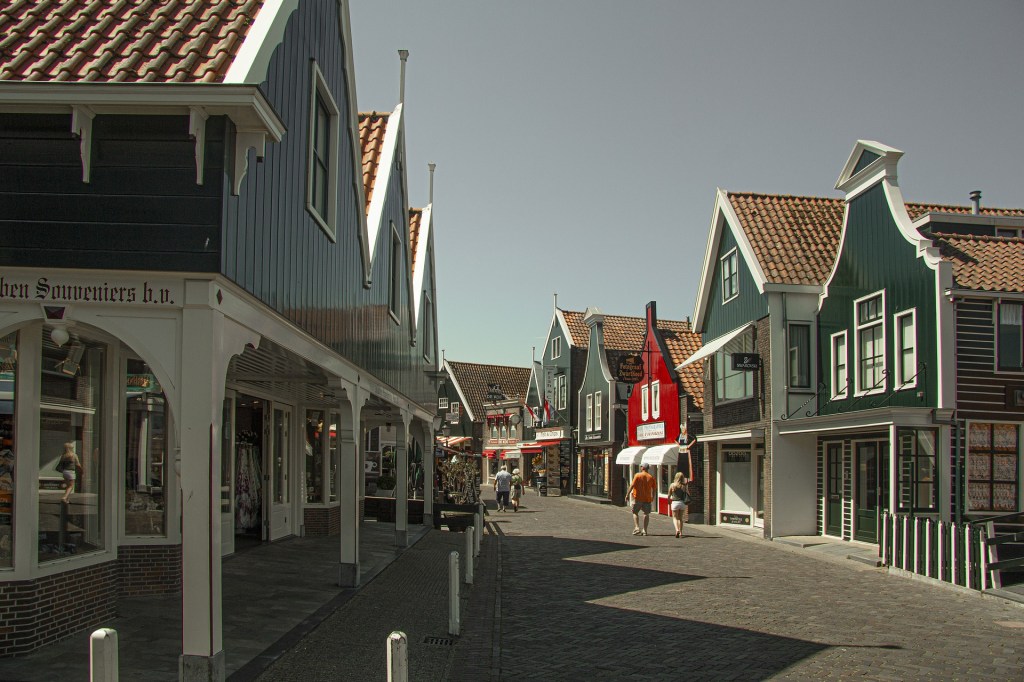
Volendam, the Netherlands. Credit: Mel_88 via Pixabay
I’ve been typing up notes from a Zoom writing workshop with Liz Berry. The focus was on short poems – some of them only two or three lines long. One was a two-line poem about a chess game and a raised hand by Charles Simic, the Serbian American poet.
In the early days of the spring lockdown, Dutch TV showed famous places somewhere in the Netherlands which are usually thronging with tourists: Volendam, Giethoorn, Kinderdijk, Zaanse Schans. One night the Red Light district in Amsterdam, empty and quiet.
Here is my short poem about clogs, a cliché along with the tulips, bicycles and cheese. I hope you remembered to put your clocks back!
Clogs, Volendam
Poem of the Clog
The clog was crying. It wasn’t lonely: there were thousands of shiny clogs. I am addicted, it howled, there are no tourists …
A fellow psychologist I worked with for many years lived near Loch Awe, Argyll and Bute, Scotland. He’d often told me about the splendid views they had from their small house. Loch Awe is the third largest as well as the longest (41 km) freshwater loch in Scotland. If you’re into that kind of thing, it’s famed for trout fishing. The ruins of Kilchurn Castle must be one of the most photographed castles in Scotland!
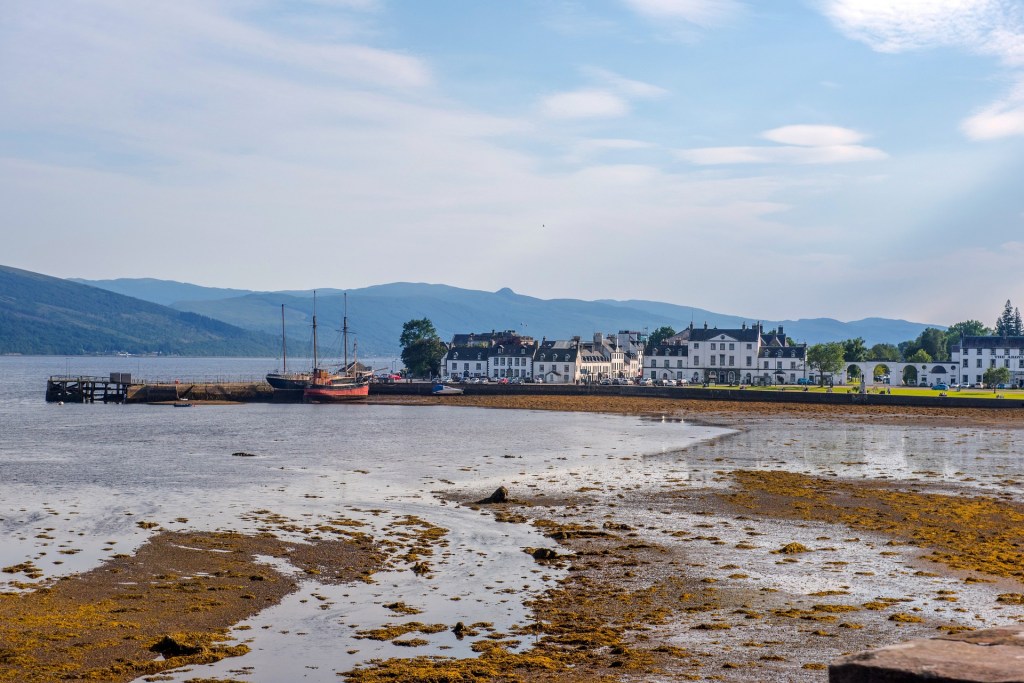
Before visiting my colleague, I stopped for a coffee and something to eat in Inveraray, with its splendid Georgian architecture. There were coach loads of tourists at the Castle, but I went for some retail therapy: bough a comfortable, warm jacket that I keep in the caravan for those below zero April days.
Inveraray, photo credit Sophia Shilmar on Pixabay
My next stop was Kilmartin Museum in Lochgilphead. The area round Kilmartin with Kilmartin Glen is rich in historic monuments, 150 of them prehistoric: standing stones, stone circles, cairns, rock carvings – often with the familiar cup and ring mark.
Kilmartin Museum with shop and cafe
I was almost the only visitor at Kilmartin Museum which, surely, added to my experience …
Kilmartin Museum
slowly rotting the shell of a coracle
standing stones rock carvings cairns are projected on the walls of a dark room
the floor throbs with pre-historic sounds
i am pulled into this distant past of hunters warriors and i am crying
Cup and ring mark, Achnabreck – speckled in Gaelic
This coming week would have been the birthday of Bill Huddleston. My second collection Nothing serious, nothing dangerous (Indigo Dreams) is dedicated to him. In one of the poems I wrote:
Bill’s last words were always Have fun, so I will.
He was a very good father, Bill, though he wasn’t my father.
Bill and I first met in 1986 when we worked on an Outplacement project in Scotland. In his 60s Bill retrained as a hypnotherapist, and for many years he and I had a peer-supervision agreement – meeting monthly to discuss our clients.
From a poetry workshop on Working the Body I had the marvellous poem Climbing myGrandfather. It’s a first-hand story by a child, starting at the brogues (shoes) and ending on top of the head, the summit, with the slow pulse of (the grandfather’s) good heart.Here you can read the original poem by Andrew Waterhouse, a poet and musician, who was passionate about the environment. He suffered from depression and, aged 42, died by suicide in 2001.
Abseiling Bill
The grey hairs combed back are too few to attach the equipment,
so I slide down slowly to his glasses, see close-up the grey hairs
sprouting from his ear. I think of rabbit holes, hear scuttling
sounds as his amazing brain is shifting, growing, learning.
I move carefully down his cheek where I can hear humming
from his sinus. Suddenly I’m dangling as he turns his head
to hear the other person better. His chin is smooth and
soon I reach the safety of his dark green cardigan,
all bobbly terrain and the round boulders
of its leather buttons. I can slide across his chest
where his large warm heart is housed, my feet
feel the rise of his breath lower down as he is
slowing to pace the other person.
It’s an easy journey now onto his chinos.
I walk across his upper leg, sun lights
my path. I rest in the folds of his knees.
From here I can see his steady feet
in the solid grey trainers and I land
without a hitch, safely.