Storks are said to bring happiness. The bird has been the official emblem of The Hague for centuries. Until the beginning of the last century, storks with clipped wings walked the many fish markets in the city, keeping the streets clean.
I hope this new year will bring health and happiness to you and those you hold dear. The poem is from my new collection Remembering / Disease published last October by Broken Sleep Books. It first appeared in the online magazine Dust, edited by Tara Wheeler.
Storks also feature in my poem High wind. It was selected as one of 20 poems by a jury for the Poetry Archive’s Poetry Archive Now! Wordview 2022. You can see and hear me read it here.
Waiting
The water meadows are waiting for the storks to return
always invisible the other side of her face
in this book there is snow on every page
even an old potato can be turned into a Christmas stamp
the naming of colours is not a science. I vote for bird’s nest grey
My thanks to poet Annie Muir for this seasonal poem from her pamphlet New Year’s Eve. Best wishes for your own New Year’s Eve – wherever you are. See you in 2023.
Enxaneta
In Barcelona it is 38 degrees and a little girl screams with mimicked joy –
she is all eyelashes, all eyes, all teeth and gums and tongue.
I hate her through the eyes of her big sister: half a plastic broken heart tied around my neck,
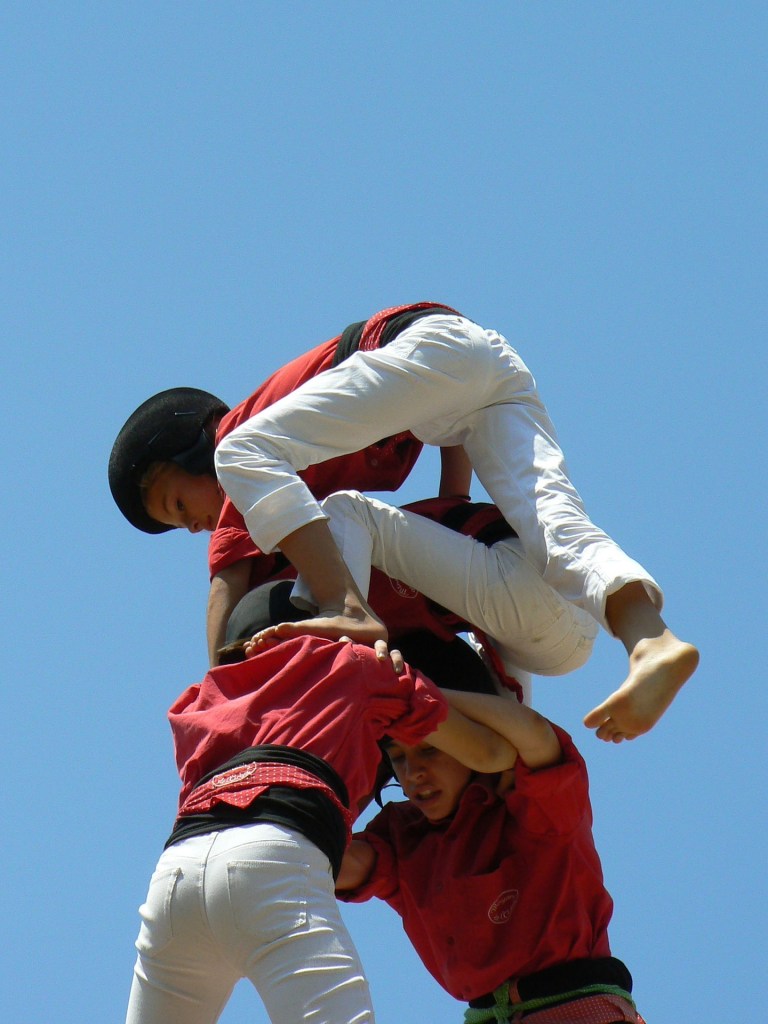
I climb a fence to watch the castellers. They huddle, arms up as if reaching for a throat,
others climb them like stairs, feet clinging to backs like tadpoles on their first legs,
it doesn’t stop, more like ants than people but with muscle and bone and white trousers,
two little girls heading for top, one takes her place below, the other
is no longer a child but the star at the top of a Christmas tree,
her arm pointing up is the man on the moon, a clock striking midnight on New Year’s Eve.
She slides down the legs of her supporters, relieving the mountains of tension from their shoulders.
Biography
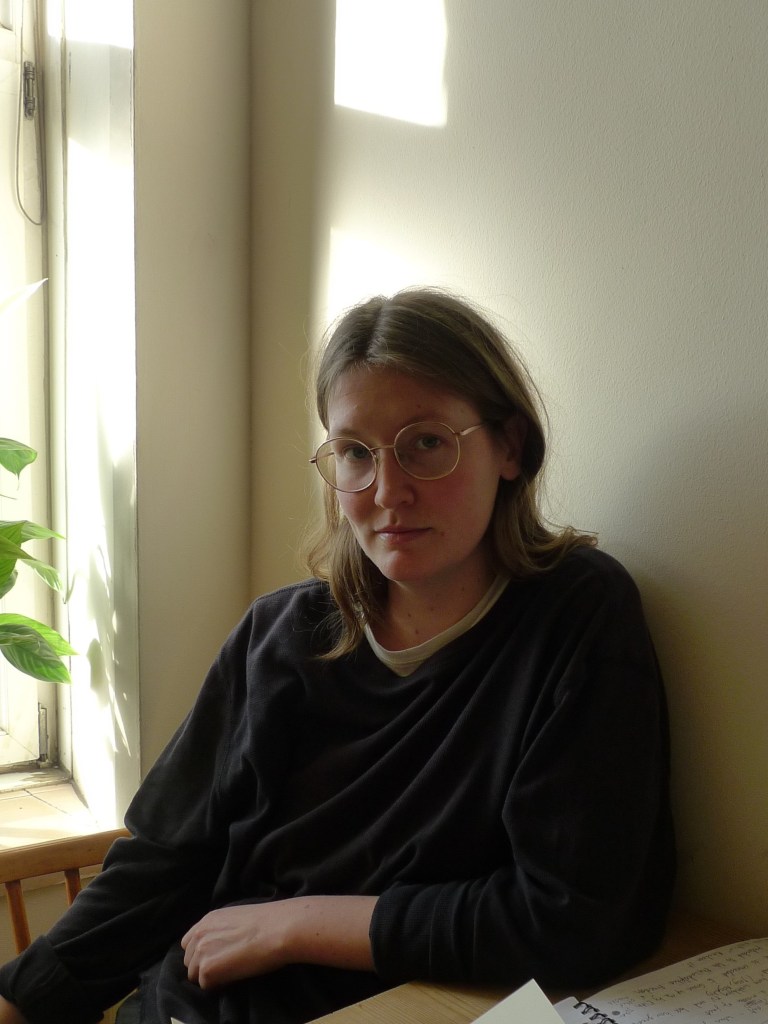
Annie Muir lives in Glasgow. Her debut pamphlet New Year’s Eve was published by Broken Sleep Books. Pre-pandemic she handed out poems on the street outside local libraries, and has a podcast – Time for one Poem – aimed at complete beginners to poetry. @time41poem
A Christmas Day poem with my best wishes for the day and with my thanks to Matthew Stewart. In his pamphlet Tasting Notes (Happenstance Press) he pairs poems with notes about the Zaleo wines from Extremadura, a region with several UNESCO heritage sites.
Food Match
It glistens on the wooden stand, a black trotter pointed upwards as if offering a hoofprint. Now cut a slice so thin that steel is visible below the meat.
Place it across your tongue and wait for the marbled fat to melt. Sip un vino tinto. The tannin grips, hugging the ham — both of them start, suddenly, to magnify.
Credit: GerardBarcelona, on Pixabay
Biography:
Matthew Stewart works in the Spanish wine trade and lives between Extremadura and West Sussex. His second full collection is due from HappenStance Press in November 2023.
There are a few copies left of Tasting Notes. Contact Matthew direct via social media.
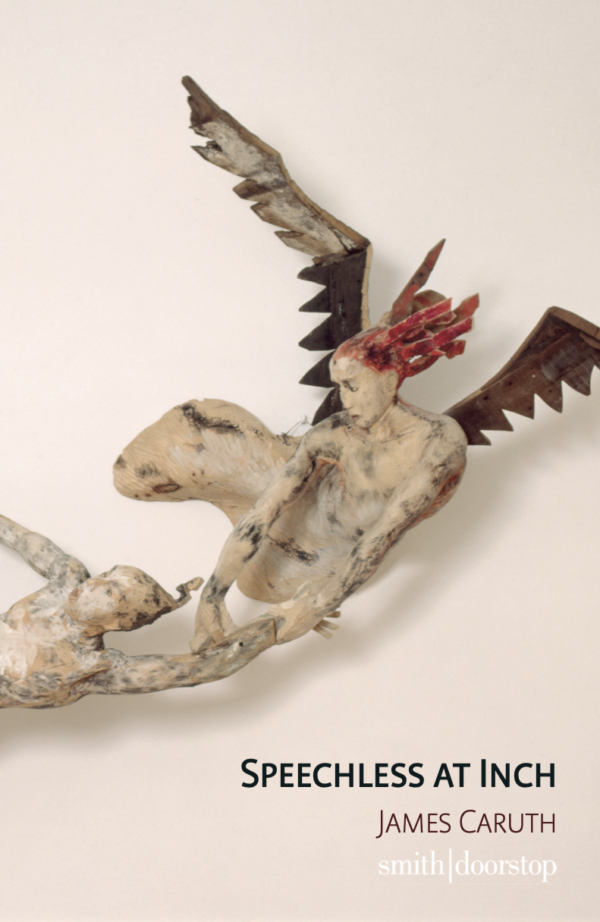
The poems of James (Jim) Caruth have featured on the blog before. Here is the link. Last year his new collection, Speechless at Inch, was published by smith/doorstop. It was shortlisted for The Derek Walcott Poetry Prize 2023.
The striking cover image is of Janet Mullarney’s The Straight and Narrow. Made in 1991 of painted wood, it measures 228 x 320 x 137 cm. It’s in the collection of the Irish Museum of Modern Art.
Here is a seasonal poem from Speechless at Inch:
Above Redmires
It was mid-December, a back road through the low hills that nurse the city’s northern edge, when I came upon
a flock of black-faced ewes crowded in a corner of a field, a squeeze of tattered wool and clouded breath.
I stopped the car to look around, searching for a dog slipped the leash or a fox tasting the air along the hedgerows
but as far as I could see there was no other living thing between those frightened sheep and me.
Biography
James Caruth was born in Belfast but has lived in Sheffield for over thirty years. He has had several pamphlets and a collection published: A Stone’s Throw (Staple Press, 2007), Marking the Lambs (Smith/Doorstop, 2012), The Death of Narrative (Smith/Doorstop, 2014) and Narrow Water (Poetry Salzburg, 2017).
I am delighted to feature the poem Winter Sun Speaks by Maggie Reed. We first met on a residential workshop several years ago. The picture of winter sun is also by Maggie.
Winter Sun Speaks
I birth my cry through cloud layers push my weight low over the southern horizon, strident, desperate, slanting over the hills forking through trees, splintering ice. I blind drivers on the school run.
How I ache for summer skies, to leap and arch over the earth, spread light, energy and love.
But for now my shriek, my low level beam, insists my right for the few hours I’m allowed to crisp up these dark winter days.
Biography:
Maggie Reed lives in the Malvern Hills, Worcestershire, having spent much of her life in Cumbria. Her current collection Let Small Wings Fly was self-published in 2021 to accompany the Arts Council funded travelling art exhibition ‘Mappa Marches’ that visited libraries and art centres across Herefordshire throughout 2022.
She has been published in several journals, including The North, Orbis, PoetryBirmingham, Pennine Platform, Three Drops from a Cauldron and Poetry Village, and has been included in anthologies such as This Place I Know (Handstand Press, 2018), Places of Poetry (One World, 2019), When All This is Over (Calder Valley Poetry, 2020), Poetry of Worcestershire (Offas Press, 2019) and In the Sticks (Offas Press, 2021). She won the Poem and a Pint competition (judge, Carrie Etter) in 2019.
Each Sunday in December there will be seasonal poems on the blog. For a few years I lived in the Withington area of Manchester, so I recognised the shop mentioned in Annie Muir’s poem. It’s from her pamphlet New Year’s Eve, published by Broken Sleep Books in 2021.
Crab Snowglobe
Thrown in with shoelaces and paracetamol, a souvenir from Copson Street pound shop –
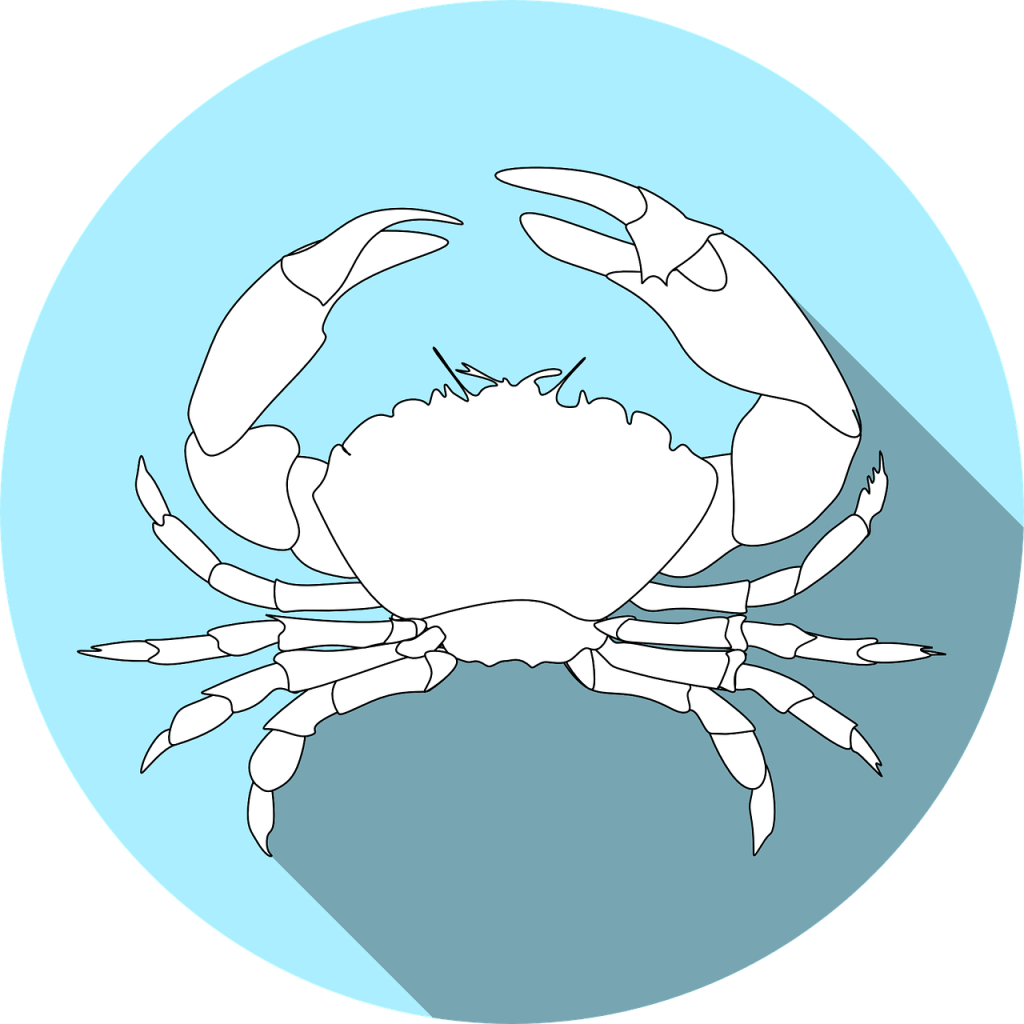
this rusty orange crab on a rock with specks of glitter resting
in every nook and cranny. Around the base there are footprints in sand
and another, smaller crab, exactly alike except I can touch it.
Inside your hard, glass globe you seem to be in some other dimension
like the reflection in a mirror, or memory.
Either dormant or ecstatic – when I shake you up
it is for a moment New Year’s Eve, your pincers grasping to catch the confetti
that floats around your head in kaleidoscope slow motion.
Then, when each piece has fallen, you wait for something else to happen.
Biography
Annie Muir lives in Glasgow. Her debut pamphlet New Year’s Eve was published by Broken Sleep Books. Pre-pandemic she handed out poems on the street outside local libraries, and she has a podcast – Time for one Poem – aimed at complete beginners to poetry. @time41poem
Another quote from Claes Oldenburg’s famous Ode to Possibilities ‘I’m for …’ from 1961. It reads like a long list poem. Oldenburg said it was a statement, not a manifesto.
Risham Syed, The Tent of Darius
My poem Wearable Narratives, from my second collection, Nothing serious, nothing dangerous, published by Indigo Dreams in 2019, is in two parts. The poem was inspired by art in the Manchester Art Gallery. Last week I posted part i (Scarf).
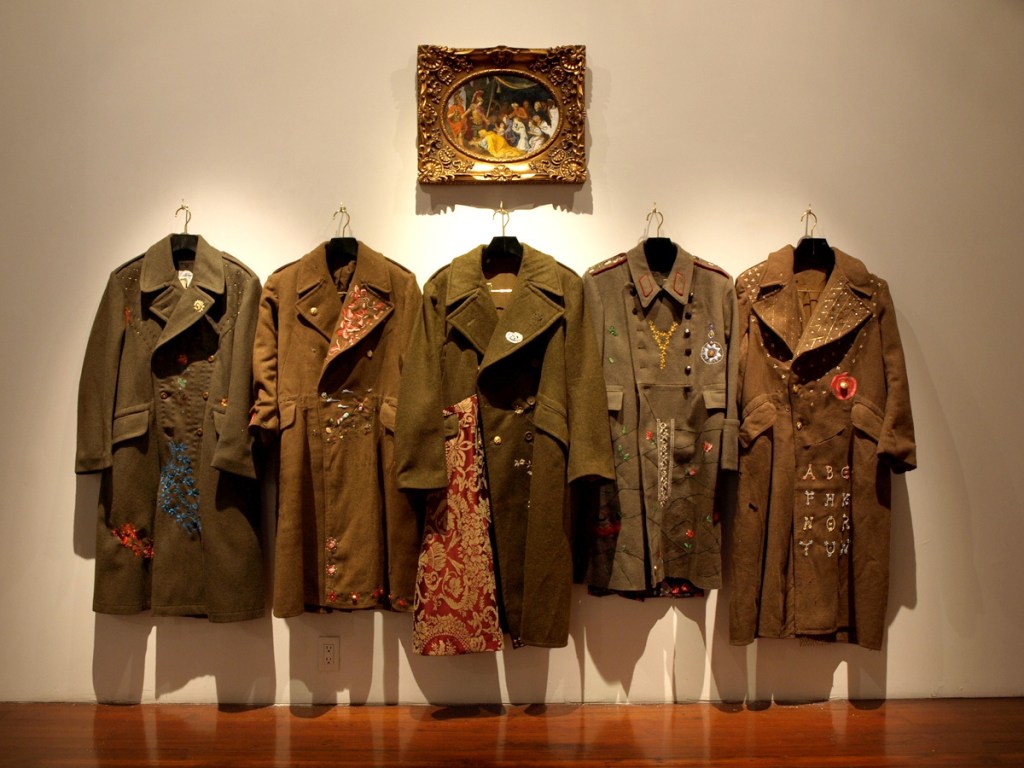
The Tent of Darius, an installation from 2009, is a complex work by the Lahore-based Risham Syed. It consists of five embroidered vintage European Army Coats with a small painting. This is a copy, painted by her, of the Charles Le Brun work of the same name. Syed describes her inspiration for it:
“I imagined these five coats to have travelled all over the world, with women having contributed to them by adding a piece of embroidery. They are like these tired, old worn-out soldiers who have dreamt of coming back home. On the one hand, they symbolize the imperial power, but on the other hand, there is another aspect to this work; how soldiers from the colonies were made to fight for the Imperial powers. It’s true for any army including the Pakistan army, where most soldiers are from Jehlum, Potowar region, from poor, lower middle-class families and end up with the army because of their physique/tradition, in the hope of making a romantic/glamorous career. This work, compares the romance/glamor to the actual reality of war, the aim of it and the beneficiaries of it. I juxtapose the embroidered coats with an ‘Oriental’ painting called The Tent of Darius, a seventeenth-century painting by Charles Le Brun that provides the title for the installation. In it, the Queen of Persia bows to Alexander the Great who has conquered the land. It serves as a metaphor for the West making incisions in the East.”
I was very moved by the sight of these five coats and the details of the embroideries which inspired the last stanza.
The tent of Darius
The ornate faux-Chinese frame holds a cropped copy on acrylic: The Queen of Persia draped at the feet of Alexander.
Below, an array of five overcoats, donated by European soldiers, appliquéd and embroidered by women’s hands.
Under the lapel, a stilled windmill, peach-coloured vanes. A green tree above a button hole. Death comes like blue geese.
So said Claes Oldenburg and he said a lot more like it, such as ‘I’m for art that flaps like a flag, or helps blow noses like a handkerchief’. Oldenburg said that his famous 1961 Ode to Possibilities, ‘I am for …’ was a statement, not a manifesto. It’s a fantastic read, a long list poem that works well as a writing prompt. Here is the link.
Swedish-born Oldenburg, one of the founding fathers of Pop Art died July this year at the age of 93. He was famous for his monumental sculptures where mundane objects (matches, clothes peg, apple core) suddenly became larger than life.
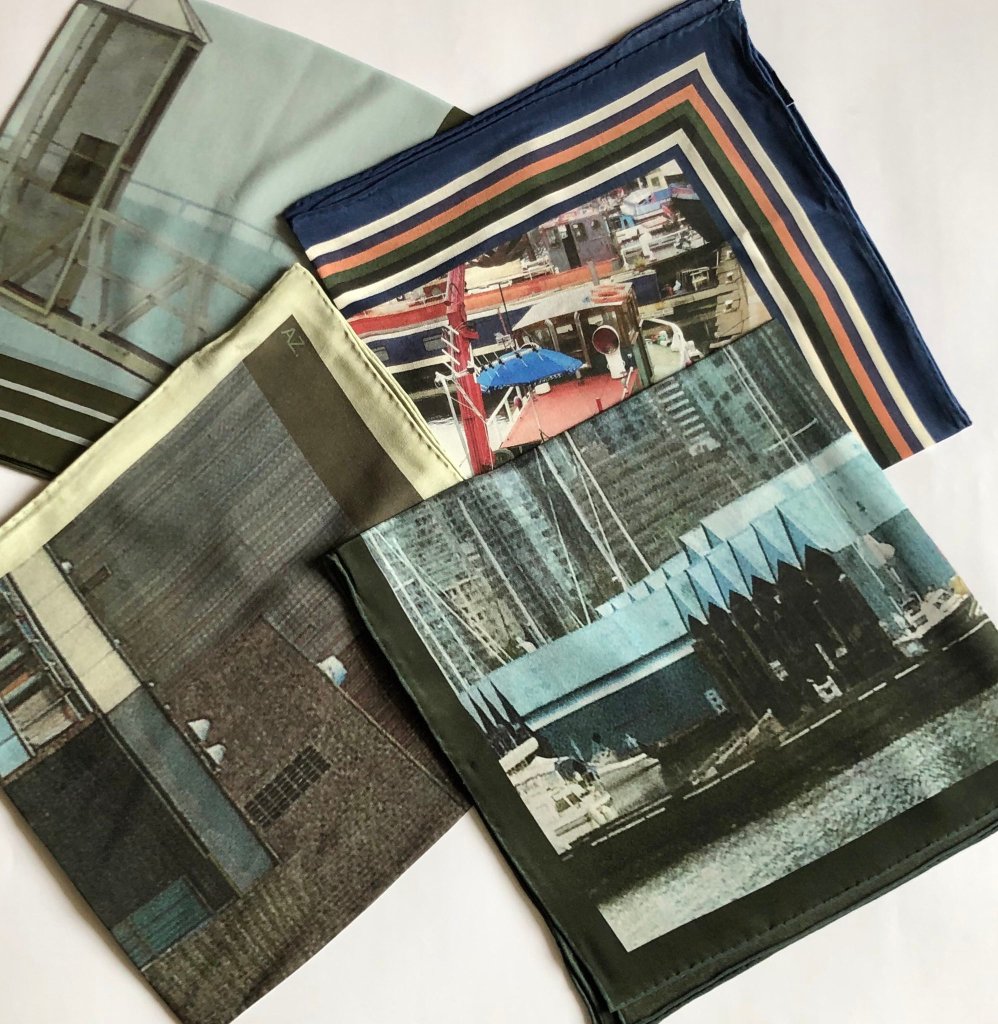
My poem Wearable Narratives (from the collection Nothing serious, nothing dangerous) is in two parts. Here is part i. It was inspired by a pure silk scarf, made by Andrea Zapp, that was on display in the shop of Manchester Art Gallery. At that time, I didn’t have a smartphone. So, here is a picture of other scarves, made by Andrea Zapp. See the note below for more information about her amazing work.
Scarf
A turquoise ribbon runs under khaki stepping stones. Tomatoes are the red carpet. Slanting shadows pull the empty staircase under water. Its fine metal tracery anchors a washing line with checked tea towel.
Cold marble columns, bleached shutters closed. Almost out of sight wooden farming implements, a clock stopped at ten to eleven, a car hubcap.
Everything here is at an angle now. What survives are the chalk drawings: a cheerful elephant, the ibis and another bird, its round black eye like a spinning top.
Note:
Andrea Zapp, born in Germany, living in Manchester, pioneered in coalescing her digital media art background with the fashion industry. Andrea has created the luxury fashion brand AZ.andreazapp. This sells high quality silk dresses and scarves printed with her own photography of urban views, rural panoramas, miniature scenarios and objects of culture and curiosity, creating a collection of stunning authentic hand-made garments.
On Monday, my journey to the other side of the North Sea involved five different modes of transport: taxi from Aldeburgh to Ipswich, National Express coach to Standsted Airport, Easyjet flight to Schiphol, Intercity to Den Haag Centraal, tram to the flat. All clockwork, no delays. It was dark when I got back home.
Taking part in the ‘live’ Poetry in Aldeburgh Festival has been a joyous experience. The highlight was the reading Our Whole Selves with poet friends. Poet Kathy Pimlott and I wrote several blog pieces about the readings, workshops, performances, open mic. These will soon be on the official website. A big thank you to the small organising team which managed to arrange a wonderful programme.
The poems I read were from my new collection Remembering / Disease, published by Broken Sleep Books last month. I opened my set with Nautical Miles (from my collection Nothing serious, nothing dangerous). When I looked at an old photo, I saw that only Hoek van Holland is ‘less than a hundred’ nautical miles. Good reminder that poetic truth matters more than the accurate facts…
Nautical miles
Outside the Sailors’ Reading Room, the sign:
thin wooden planks, painted white: Den Helder, IJmuiden, Hoek van Holland.
Across the horizon, they are less than a hundred nautical miles from Southwold in Suffolk
where the narrow beach of pebbles – grey, brown, black mostly –
is held together by couplets of groynes, slimy green.
Both our languages have the word strand.
Note: The Sailors’ Reading Room, Southwold is a Grade II listed building from 1864 and still a refuge for sailors and fishermen.
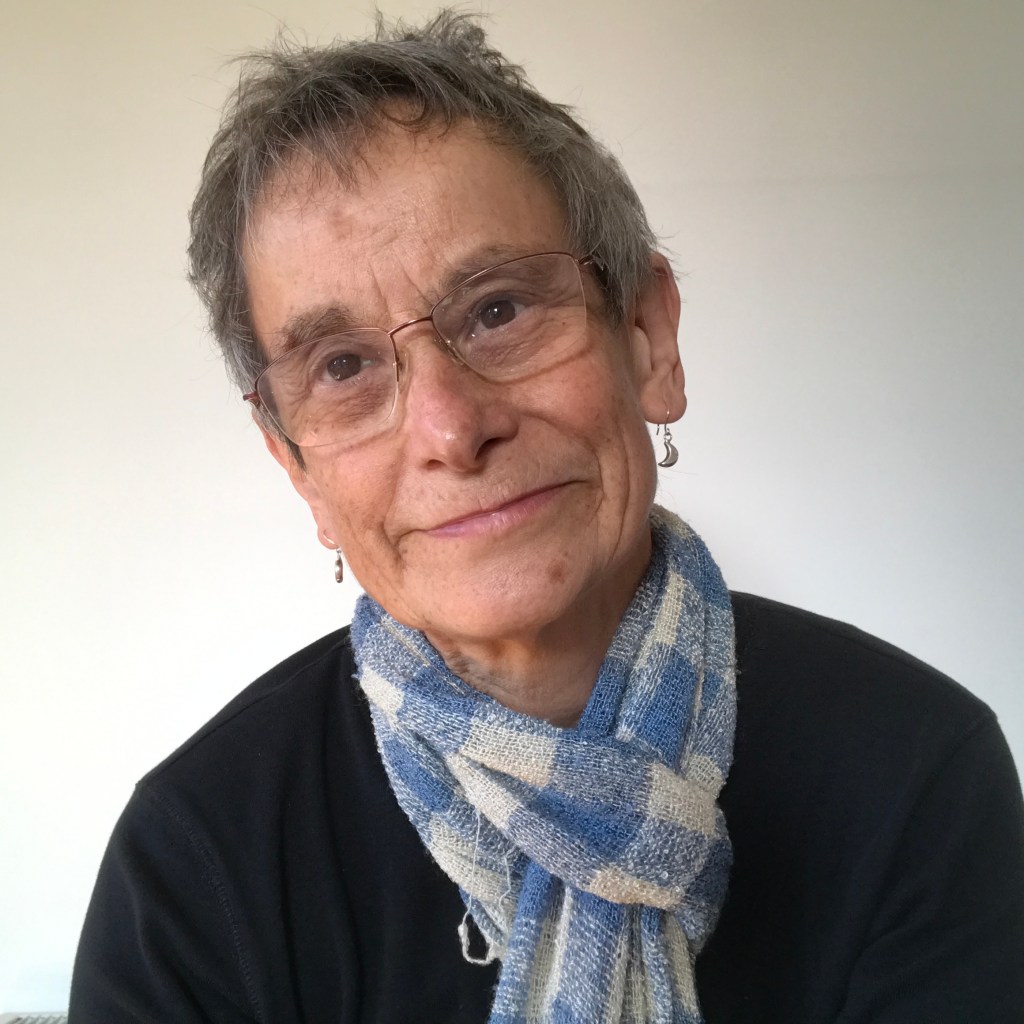
I am very glad to introduce this month’s guest poet Sheila Butterworth. We met many years ago, in that Yorks/Lancs Branch of the BHS. I let Sheila introduce herself and her haiku.
“Winning the Leeds Waterstones Haiku Competition in 2000, organised by the Yorks/Lancs Branch of the British Haiku Society, introduced me to the world of haiku poets, workshops, journals and a network of local poets with whom to chew the haiku fat. I have since had poems published in Blithe Spirit, Presence, The Snapshot Press Haiku Calendar, Wales Haiku Journal and The Red Moon Anthology.
Most of my haiku come out of the everyday experiences of life within a mile of my edge of village doorstep where I have lived for 40 years. This is where I notice those things that have most meaning to make haiku. The familiar environment highlights the nuances of change in place, in time and in me and this is when haiku happen.”
coming light the bubble and trill of robin and wren
high street dawn the smell of sweet dough folds into the fog
morning mizzle molehills spatter the spring pasture
planting potatoes startled sparrows scatter in the quickthorn
summer rain the shining bole of a sapling ash
evening sun the shadow of the wood fills the field










 Acacia Publications