Category Archives: Haiku

National Apple Day – poem

Credit: Congerdesign via Pixabay


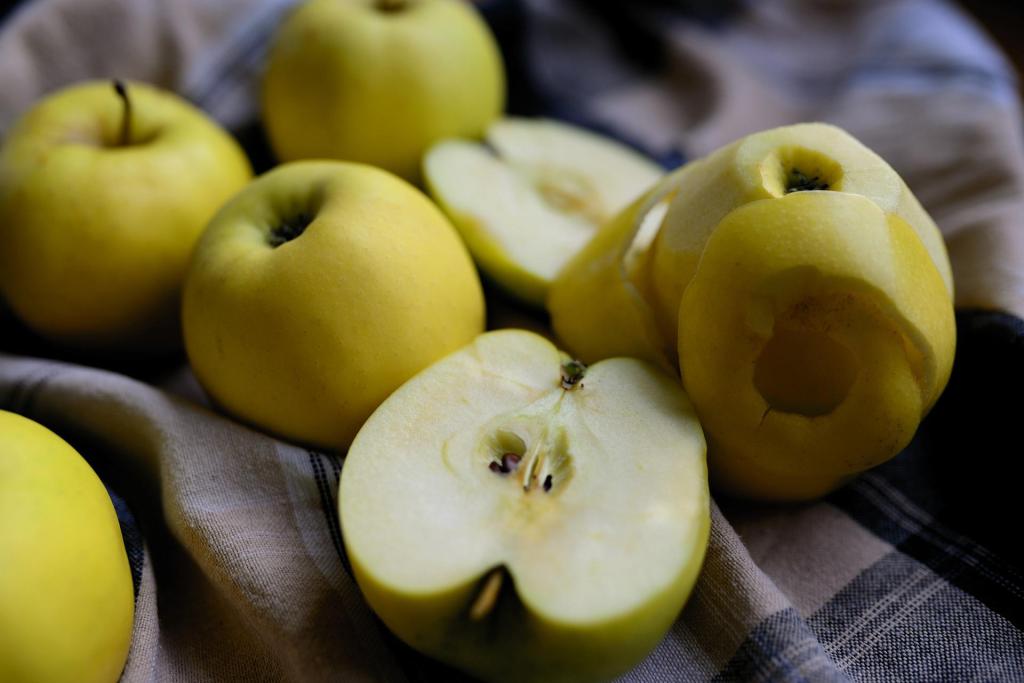
National Apple Day falls on the 21st of October. It was created in the UK by the charity Common Ground in Covent Garden, London on 21 October 1990 to raise awareness about the importance of diversity in different communities. Apparently, there are about 7,500 varieties of apple grown globally. In my local Hoogvliet supermarket I can find six: Kanzi, Pink Lady, Golden Delicious, Granny Smith, Royal Gala and Jazz.

Celebrations take place in the UK throughout October, so go to a fair, take part in an apple peeling contest, bake or eat an apple pie. Here in the Netherlands, traditional Appeltaart always has a good dose of warm spices – cinnamon, ginger, nutmeg. They are baked in a spring form and have a lattice crust. I will have mine with a good dollop of sweet whipped cream, thank you.


My poem is somewhat melancholy. It has the feel of a tanka – the first three lines giving a description, with emotion and reflection in the last two lines.

carefully quartering
soft red apples
into a compostable bag –
I still wait for the letter
that will never come

Tree frog – haiku

Credit: David Dixon

Manchester Museum, part of the Victoria University of Manchester is closed for a 15 million redevelopment. It will open February 2023. Part of the Museum is the Vivarium, home to some of the most critically endangered neotropical species. Some years ago, a good friend became a sponsor and, by way of thank-you, she was invited to bring someone along for a ‘behind the scenes’ visit to the Vivarium.

Credit: Katja via Pixabay


The Department is a key player in the education about, and conservation of such beautiful creatures as the Lemur Leaf Frog, Yellow-eyed Leaf Frog, and the Splendid Leaf Frog. It was thrilling to have the small creature sit quietly in the palm of my hand.

Tree frog

Here is the coolness of its orange feet
splayed onto my hand. The slow bulge
of its breathing throat. Two unblinking eyes
the colour of black Morello cherries.

Tomatoes – poem

Credit: Couleur via Pixabay

Fruit & veg, toms, salad, mayo, salmon, ½ loaf … I’ve not yet managed to write a shopping list in Dutch even when the words are shorter (sla) or similar abbreviations (gr & fruit). It’s too much hard work late on a Thursday evening when I’m sitting with a glass of wine (wijn) and contemplating the moving project: flooring, top-down & bottom-up blinds, two chairs – ordered; research on fridge/freezers needed, also a new GP practice and pharmacist.

Here in the Netherlands the distance is important: the GP must be able to get to your home within 10 minutes. That doesn’t mean it’s easy to register. In Scheveningen (where I spent the winter) three practices did not take on new patients or had a four-month’ waiting list. A tomato a day may keep the doctor away …

Tomatoes

I am stepping away from my life,
my life as short as a haiku.
I have turned biographer,
am writing vignettes,
pale green, the length of celery.

My vignettes may concern
elderly mules with dental decay,
the struggle to remember
maternal aunts. I am numbering
my vignettes 1A, 1B, 1C, 1D –
narrow seats in the small airplane
Aer Lingus would use
on the late Saturday flight.

I could write a vignette
about the plastic dummies
they use in ambulance training.
Today I’m going to focus on pretend
tomatoes. My invisible friend
has started her new diet.

Three shorts – writing prompt

Credit: Mammiya via PIxabay


1
I discovered Pome only a couple of months ago and am enjoying the poems very much: an interesting range and they are short, even very short. As I understand it, Matthew (Matt) Ogle originally posted the poems some years ago and the project has restarted via Tiny Letter.


Here is an Issa haiku, translated by Robert Hass. Since I am a paid-up member of the Society for the Prevention of Cruelty to House Dust, it speaks to me …


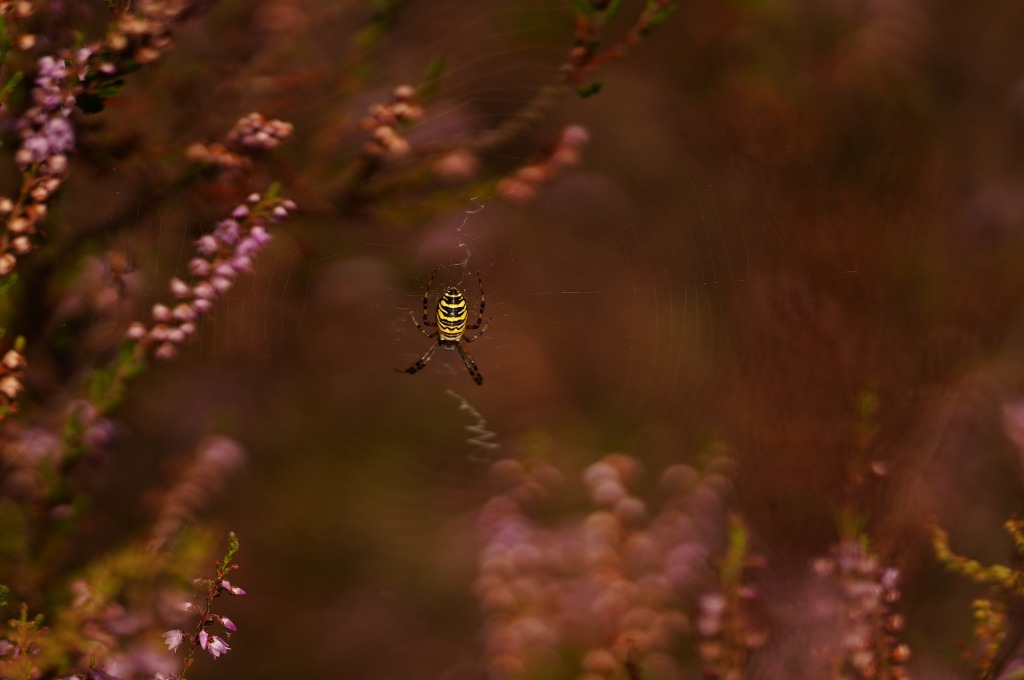
Don’t worry, spiders,
I keep house
casually

2
Monostich – a poem or epigram of one single line. The title is important and may be long, longer even than the poem. My recent example from a course I’m doing:


While it rained, we went out and put the poster on trees and lamp posts in the neighbourhood


It needs heart and courage (lebh in Hebrew) to wear a pochet with conviction.

3
Here is a short poem by Carl Tomlinson from his Changing Places. It has a haiku-like quality. Carl is the May guest poet. I look forward to sharing more of his poems with you then.

August


All along the bridleway
some kind of rain
is trying to shake off the wind.
The land feels thinned.

Almost hidden by grass – haiku

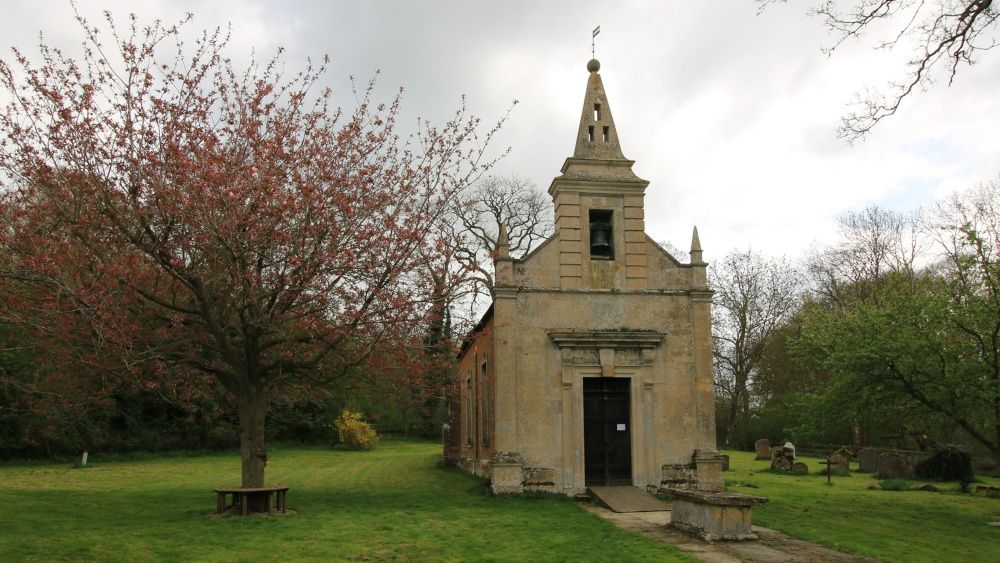
St John’s Church, Little Gidding, Huntingdonshire

It is 20 years since I visited Little Gidding, as the mid-week trip on a one-week course at Madingley, part of Cambridge University. Our tutor that week was the poet Lawrence Sail. Last Sunday I featured four poems from his collection Guises. That week I also met Kathleen Kummer who has become a good friend. Her poems have featured here over the last few months.

Little Gidding is famous for being the fourth and final poem of T S Eliot’s Four Quartets. Eliot had visited Little Gidding in 1936. The title refers to a small Anglican community in Huntingdonshire, established by Nicholas Farrar in the 17th Century.

I wrote the short sequence of haiku during my visit. It was published in Presence magazine.

Almost hidden by grass

following her
across the field
a white butterfly

almost hidden by grass
three wooden crosses

the church bell
covered
in pigeon droppings

pink geranium petals
a droning plane

on the terrace
calling us old, advanced –
the toothless guide

finding the pigsties
number one boarded up

as we leave
sunlight
on the font

Little Gidding, August 2001

Solstice – a haiku

It is almost Solstice, the day in December that means the most to me: the shortest day, the gradual turn towards the light.

I will celebrate with a short meditation, then some music and mulled wine. I send you warm wishes for Solstice, Christmas and for the New Year. Thank you all for your support and your comments. On Sunday 3 January I will post again.

The marvellous illustration is by gdizerega on Pixabay, and the winter solstice haiku by Matthew Paul. It was first published in The Haiku Calendar 2014.

winter solstice
the street-cleaner picks up                              
a glass half full

Winter Migrants

At a recent workshop I read from Winter Migrants, a collection by Tom Pickard. I saw the title and cover in an email from Carcanet, the publishers, and knew I would have to get the book. A short sequence and individual poems bookend a selection from Fiends Fell Journals.

This is a poetry-diary, or haibun, composed over the decade Pickard lived alone on the wind-blown North Pennines. The two dozen entries cover the period June 2003 – February 2004. They vary in length from a few lines to a page. Here is an example, showing Pickard’s sharp vision and economy of language:

12 February

Late at night, without a coat and the wind still raging, an old woman from the cottage hospital in Alston, banging on the deserted mortuary window, demanding entry – convinced she is home.

Water drapes over worn flattened rocks,
smooth as curtains.

Birds appear frequently in the Journal – an alert kestrel, a growking raven, snipes, curlews – and in the title sequence – the Solway estuary where winter migrants gather / in long black lines.

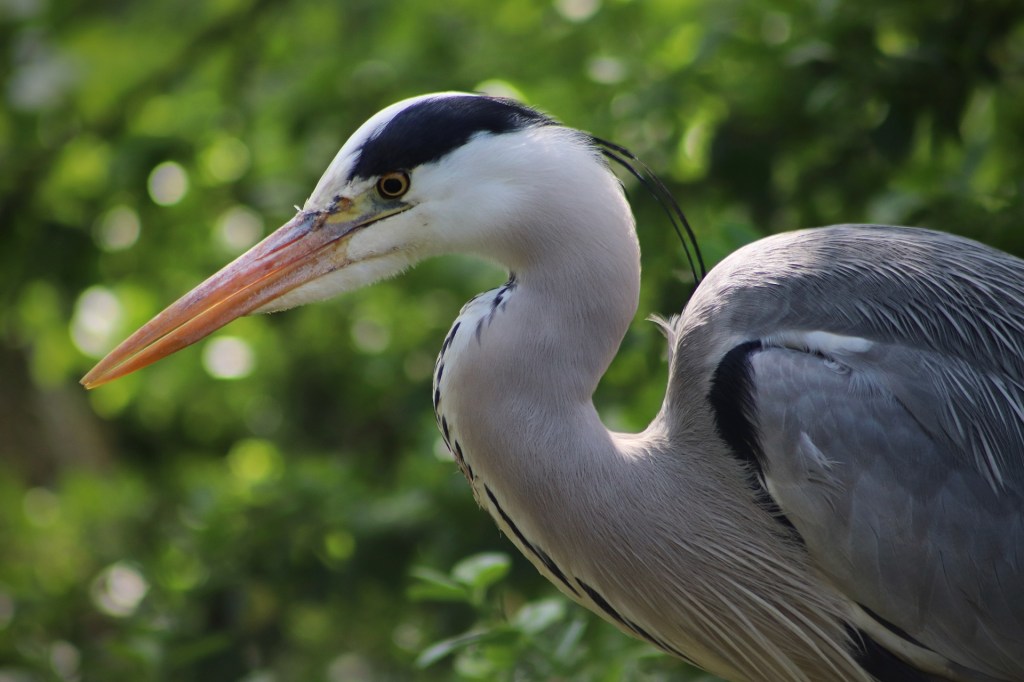
Heron, Annette Niemeyer, via Pixabay

This is also from Fiends Fell Journals:

A heron
criss-crosses the lashing syke,
fast, with sudden thaw,

its spiky tread sunk
in unscuffed snow

patient
and hungry as death

no inkling of urgency
in its measured step

close, almost overlapping,
at the water’s edge

Moment – haiku

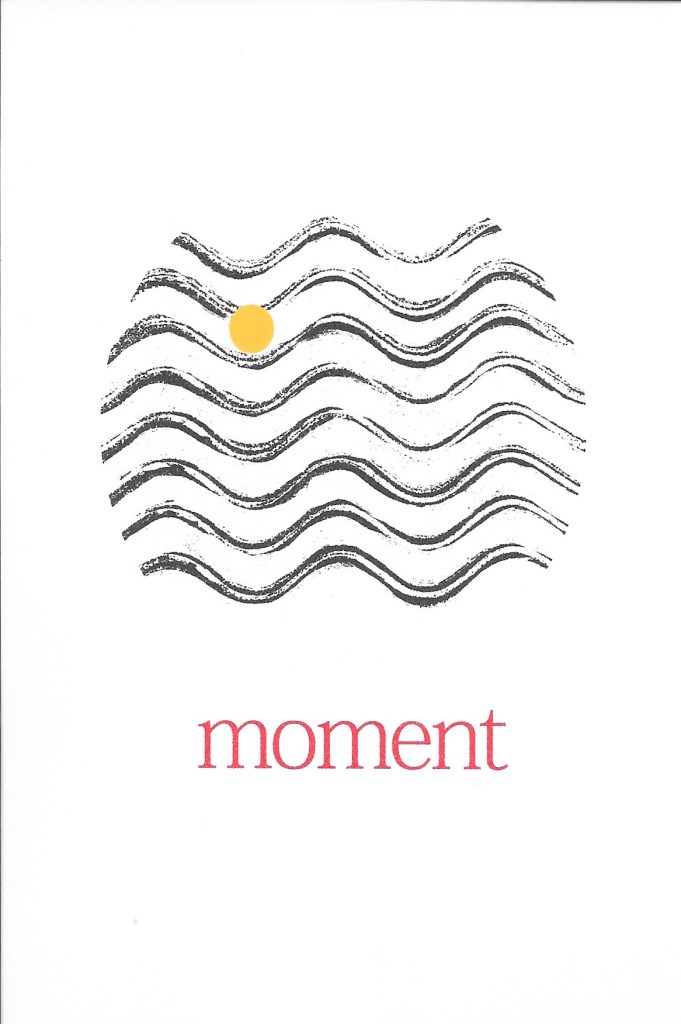
Moment arrived at the beginning of the year. A wonderful surprise. It’s a pocket-book size anthology of haiku, senryu and tanka by Ian Turner. Ian, this month’s poet, was for many years a member of our regional haiku group which used to meet monthly. After his 30-year career as an Fine Art Lecturer, he relocated with his partner to France where he is now a practising fine artist.

Beautifully produced on thick cream paper, Moment includes well over 300 haiku. Ian has organised these in small sets on a number of themes which recur through the book: the seasons, various places and locations, both in nature and urban, animal behaviour, human activities. So, there is variety and consistency. The poems cover the period 1997 – 2020 and most have been previously published in quality haiku magazines: Blithe Spirit, Presence, Snapshot Press, Shamrock Haiku Journal.

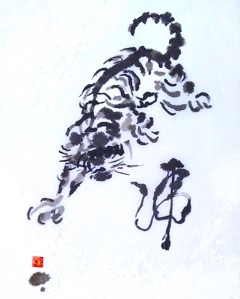
Ian tells me he is photophobic, so instead here is the image of indigotyger, Ian’s taoist spirit persona. I hope you enjoy my selection from his anthology.

that’s me
in the far thistle field
stalking a tethered pit pony
hooves and heart
skip a beat

early thaw
a snail emerges
from the meter box

hospital maze
I become number seven
on a pink plastic chair

the cool silence
of a prayer room
last flight call

swishing shingle
the putter of a fishing boat
in a smudge of light

throngs of tour coaches
a gypsy woman’s
empty paper cup

phantom moon
red deer at the turnpike
in their own time

yet more protests
riot police greet each other
on both cheeks

stood
in a rippling white cloud
the black calf

safe storage facility
a life free of stuff
so insecure

wild sage
deep in the maquis
a clank of goats

after a squall
the ink stained letter
in an unknown hand

Kilmartin

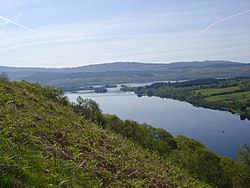
Loch Awe, Argyll and Bute, Scotland

A fellow psychologist I worked with for many years lived near Loch Awe, Argyll and Bute, Scotland. He’d often told me about the splendid views they had from their small house. Loch Awe is the third largest as well as the longest (41 km) freshwater loch in Scotland. If you’re into that kind of thing, it’s famed for trout fishing. The ruins of Kilchurn Castle must be one of the most photographed castles in Scotland!

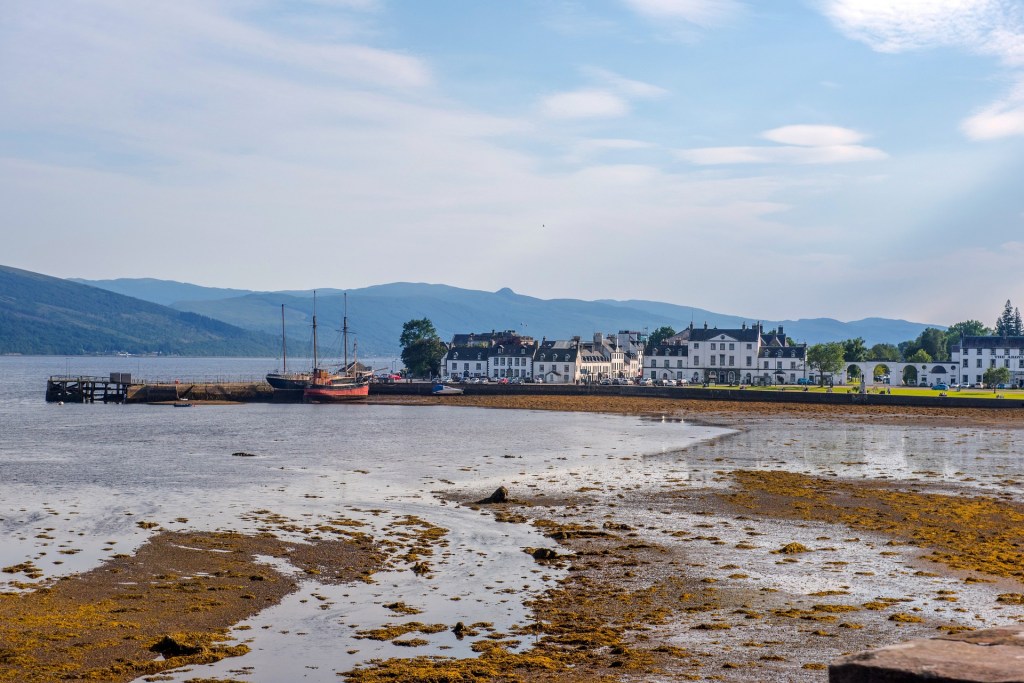
Before visiting my colleague, I stopped for a coffee and something to eat in Inveraray, with its splendid Georgian architecture. There were coach loads of tourists at the Castle, but I went for some retail therapy: bough a comfortable, warm jacket that I keep in the caravan for those below zero April days.

Inveraray, photo credit Sophia Shilmar on Pixabay

My next stop was Kilmartin Museum in Lochgilphead. The area round Kilmartin with Kilmartin Glen is rich in historic monuments, 150 of them prehistoric: standing stones, stone circles, cairns, rock carvings – often with the familiar cup and ring mark.

Kilmartin Museum with shop and cafe

I was almost the only visitor at Kilmartin Museum which, surely, added to my experience …

Kilmartin Museum

slowly rotting the shell of a coracle

standing stones rock carvings cairns are projected on the walls of a dark room

the floor throbs with pre-historic sounds

i am pulled into this distant past of hunters warriors and i am crying

Cup and ring mark, Achnabreck – speckled in Gaelic

Birds on Paper (2)


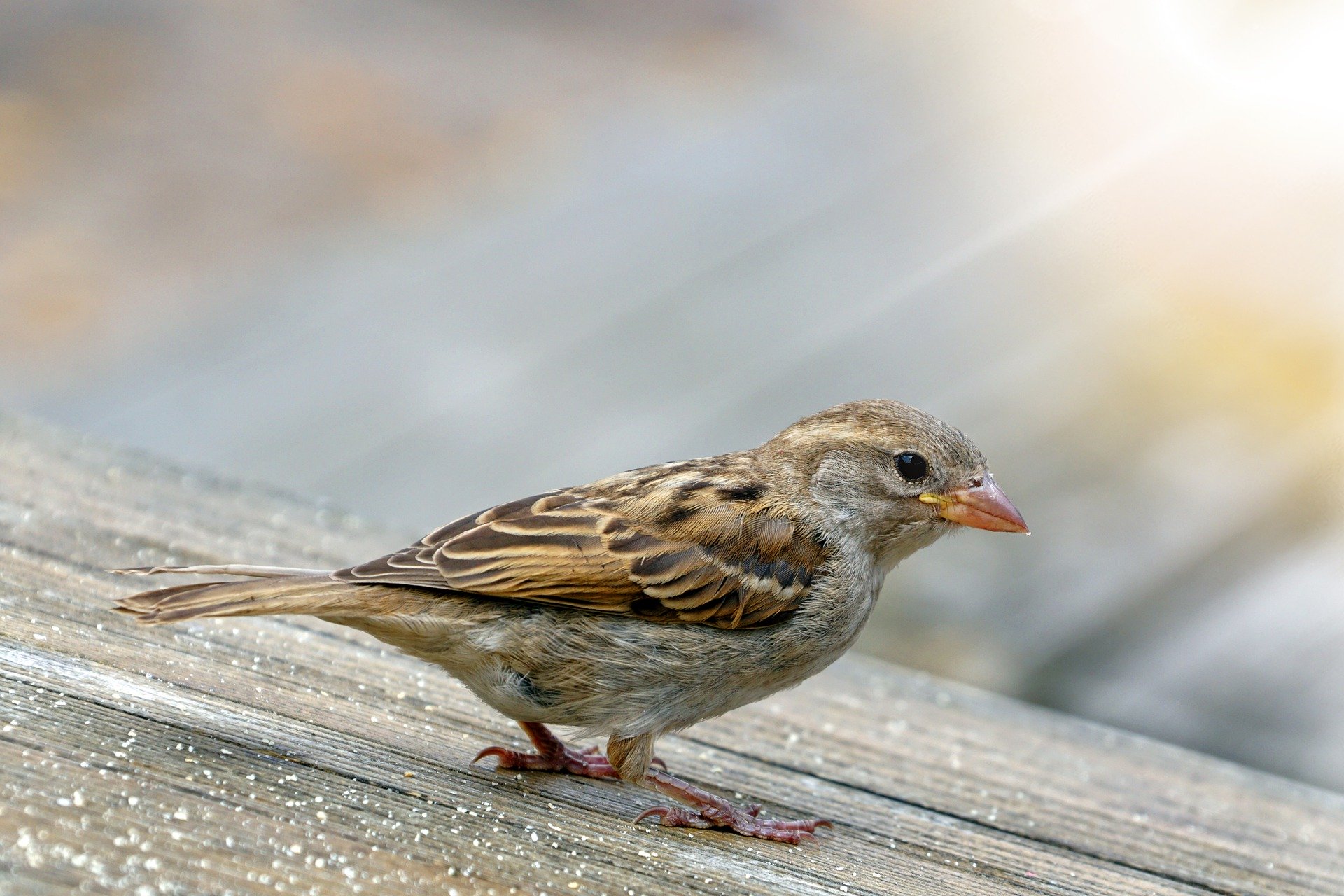
sparrow-4334964_1920 (2)

Photo credit: Susanne Jutzeler, Suju Foto on Pixabay

More birds: here is the second half of the sequence Almost complete poems: encounters with twelve birds. The inspiration for these short poems came from different sources:

* The title comes from the Wallace Stevens poem Thirteen Ways of Looking at a Blackbird. I decided I needed at least one blackbird poem, but there are two.
* i – Almost complete poems is the title of a poetry collection by Stanley Moss. It is published by Carcanet who (used to) send postcards with pictures of their books with your order. The cover image of the book is Still Life of Grapes with a Grey Shrike, Antonio da Cavalcore. I keep dozens of art postcards in a box, in case there is no inspiration.
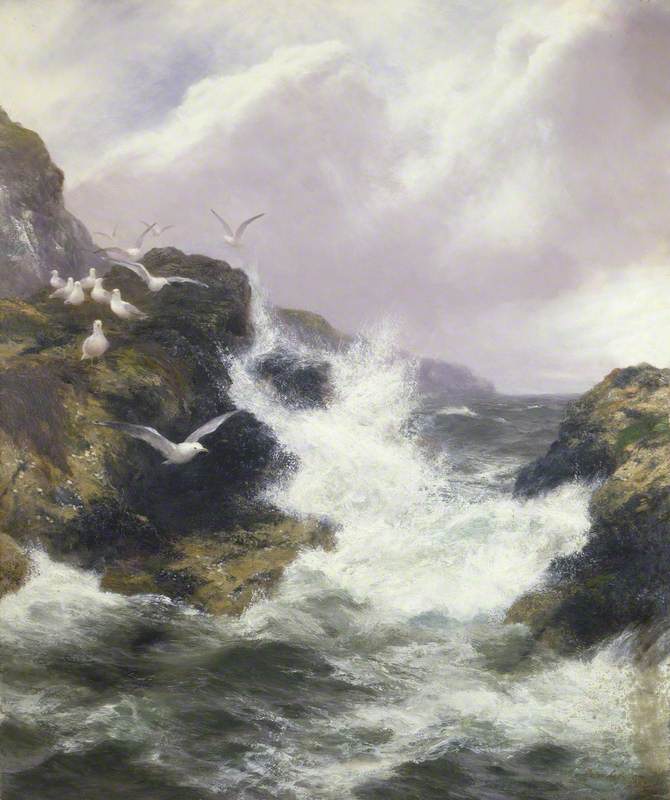
* ii – Painting The Sea-Birds’ Domain by Peter Graham in Manchester Art Gallery. The reproduction doesn’t show it clearly, but my dialogue is with the bird on the rock that is nearest to the viewer.


Graham, Peter, 1836-1921; The Seabirds' Domain

Graham, Peter; The Seabirds’ Domain; Manchester Art Gallery; http://www.artuk.org/artworks/the-seabirds-domain-205095

* v – inspired by reading Jaan Kaplinski, Estonian poet.
* vi – observation from my attic window.
* viii, x and xii – a short writing exercise from workshops with Ann Sansom, the Poetry Business. She often does these just before a break. Mostly six or seven lines with restrictions, for example line 1 must have a day of the week, line 2 a building, line 3 no rules. Written against the clock, some small jewels may appear.
* ix – observation from sun lounge window.
* xi – inspired by that phone call. The tanka was published in Blithe Spirit, the magazine of the British Haiku Society, some years ago.
 

peregrine-falcon-371610_1920

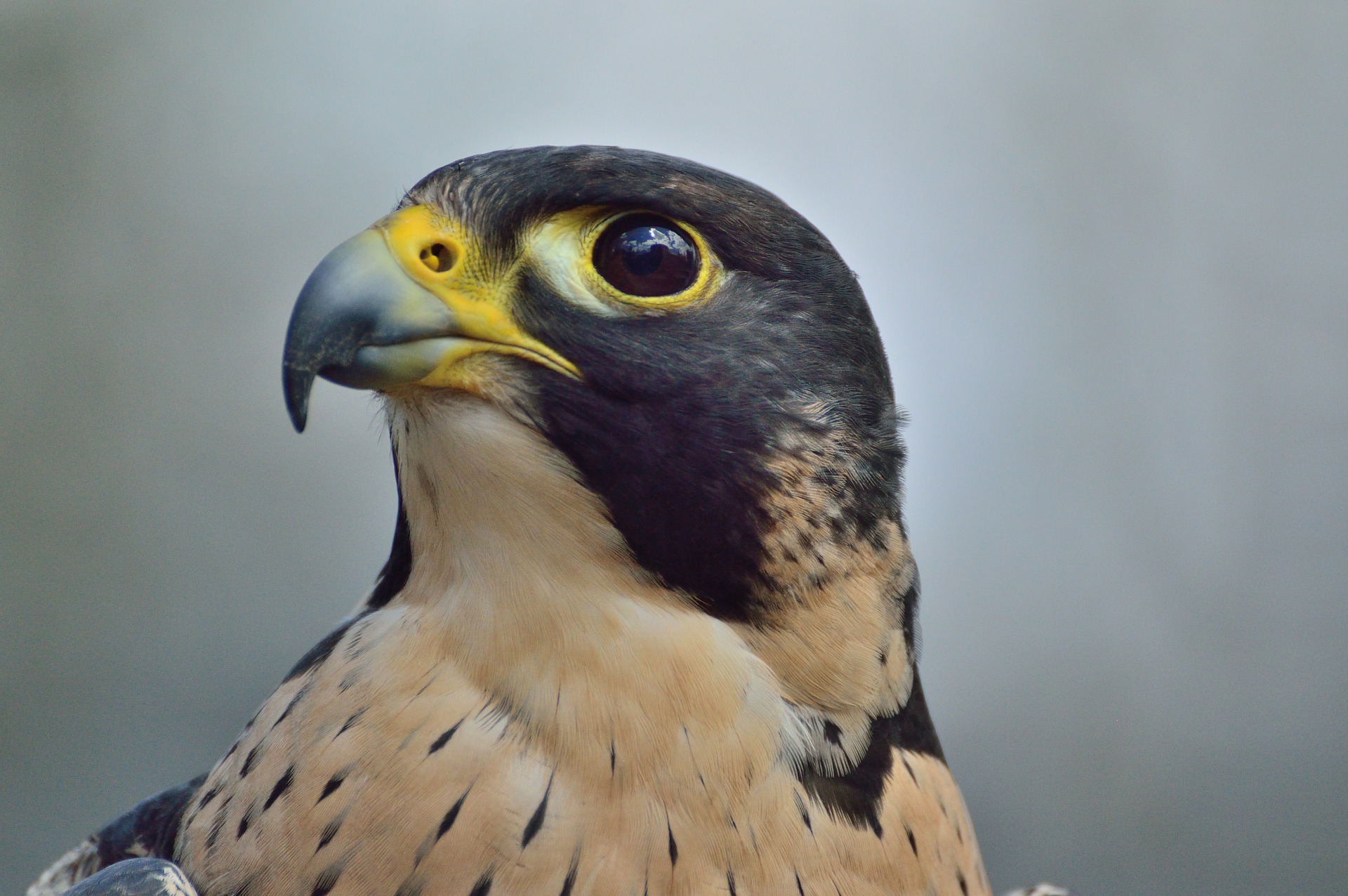
Peregrine falcon, Photo credit: Ray Miller on Pixabay

vii
Pocked and pitted stone
visible only to the peregrines
that nest on this cathedral –
a grimace carved by the stonemason
who used to beat his apprentice.

viii
Sundays summer and winter
we went to church at least once –
If I was that tiny sparrow
I would slip out, circle the white
spray, marram grass, the endless shore.

ix
Blackbirds nest in the ivy hedge,
as one comes in with food
the other exits at the side –
I remember those empty rituals
well-meaning suitors spurned

x
All around fields are planted with dill,
among the fronds an anklebone.
Just one pale bone.
Scrawny canaries fly across
the aria Verdi never composed.

xi
My friend calls:
an orphan
at sixty, suddenly
I hear blackbirds sing
thin, feathery clouds.
xii
A lost parakeet, friendly face
against turquoise wings
paper notice on the mat –
small birds are a comfort stone
to be carried around in a sombrero.