In the Netherlands it was National Vegetable- and Fruit Day on Thursday 14 October. The front cover of the weekly free paper was a large colour photo of three local shop owners encouraging us to ‘go for colour’ – have some fruit or veg to deal with the afternoon ‘dip’.
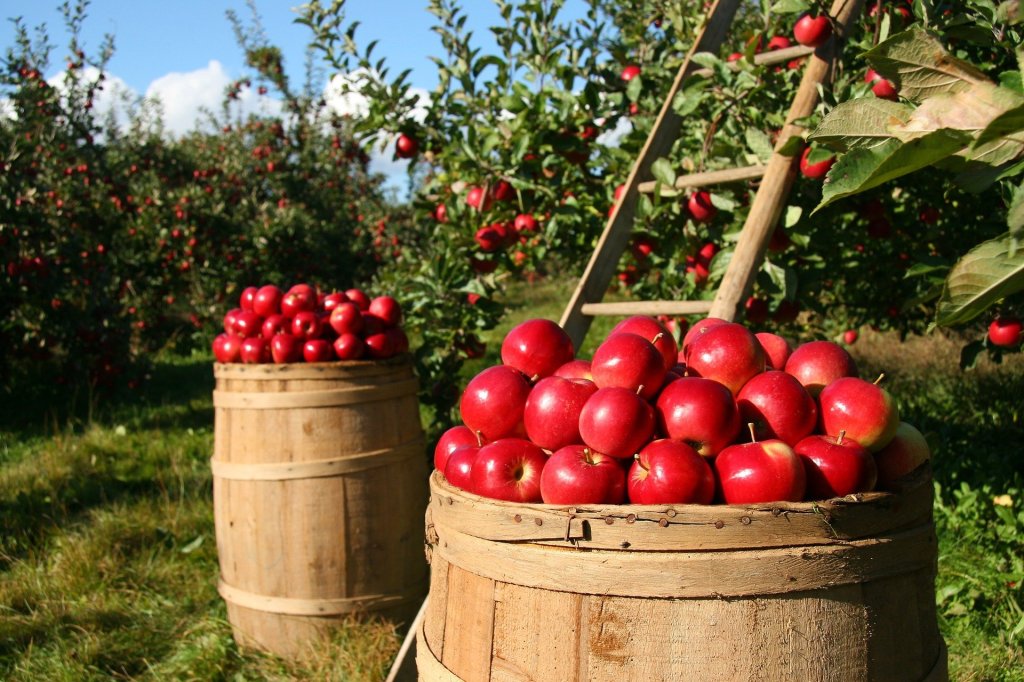
The Dutch love their tomatoes: it’s the most popular vegetable, making up of 10% of vegetables bought. The Dutch are eating a little more fruit and veg this year, compared to last year. The most popular fruit was the banana. Probably because fewer apples were harvested.
Credit: Lumix2004 via Pixabay
The poem Satsumas was published in my debut collection Another life, by Oversteps Books in 2016. I wrote it on a workshop where the tutor suggested that ‘half a sestina might be called a satsuma’. I’m always grateful for prompts!
Satsumas
The mandarin is also a clementine, or a seedless tangerine. They must not be confused with the satsuma, first exported from the province Satsuma in Japan.
The men and women of the Fruit-and-Veg Marketing Board are introducing their successes: the Orkney, a type of button mushroom, but a clear ice-white and stoic. There is the Argyle, an improved form of celery with lower water content, therefore less stringy and greener. The Devon is already being exported to Japan: a small, tasty apple, dark red, square and stackable.
No-one mentions the Wicklow with a taste like ratatouille after a fortnight in the fridge, or the Sark, a long, sour, brown hairy thing lying at the back in wooden crates.
Here in Scheveningen, the seaside district of The Hague, it’s a wet Sunday. Tomorrow it’ll be World Animal Day. Here is a short poem with wet animals, inspired by seeing the peregrine falcons at Norwich Cathedral. It’s from my pamphlet A Stolen Hour, published by Grey Hen Press.
Prompt: What animal(s) did inspire you? Where did you first see it? What day was it?
Stonemason
I am the last stonemason. Green water spouts from the gargoyle to my left. I am hidden up here with the two peregrines, sodden on their cathedral nest.
My apprentice didn’t come today. Black sky, lightning and the distant rumbling of armies advancing, retreating. I count hours on my arthritic fingers.
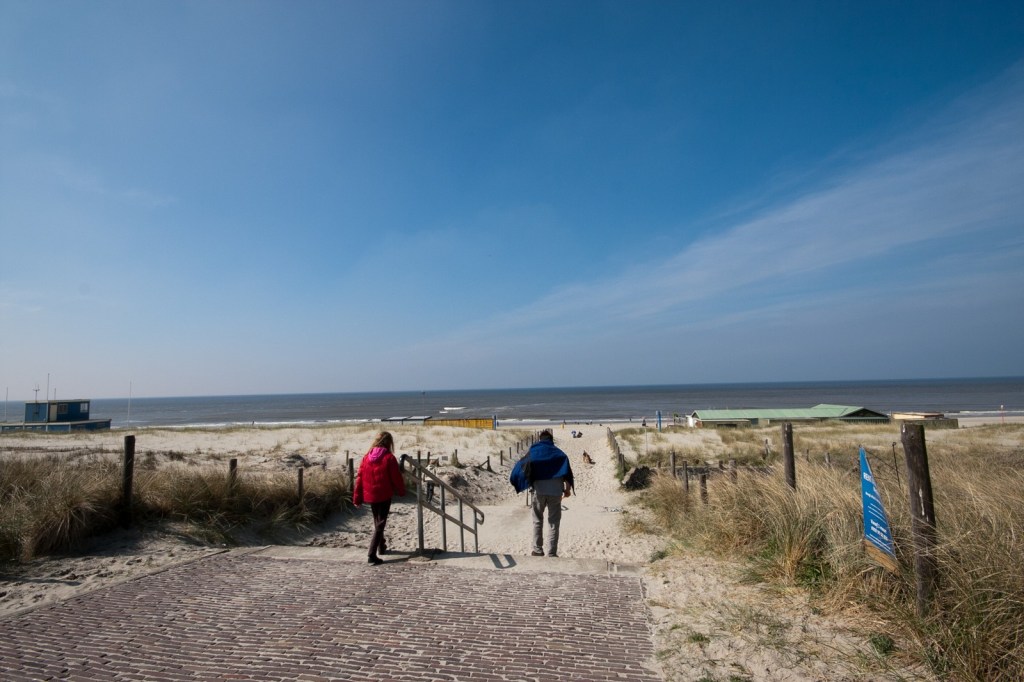
As you can see from the picture, I’m back in the Netherlands. The camp site closes 12 noon this Thursday, so I’m making the most of the good weather to work in the garden and plant bulbs.
On the last Sunday in September I’m posting this poem which is included in my second collection Nothing serious, nothing dangerous (with Indigo Dreams Publishing, 2019).
Uniforms
I saw the van turn and park by the old oak tree at the heart of our cul-de-sac.
It was early September and sunny. It must have been afternoon, because I worked part-time.
Our white cat was asleep upstairs.
Two men carried it, though it wasn’t heavy. A metal trunk, shiny in the sun.
The ship safely back in Southampton.
That sheen on the dark brown coffin as it was helped from the limousine. We had buried you in May, a cemetery next to the Ford factory.
White and black uniforms. Shirts, trousers, shorts. Black shoes, white shoes,
cracked by too much cleaning, and yellowing socks in different stages of decay.
During this year I’ve been posting poems by my friend Kathleen Kummer. This is the last one. Kathleen lived and worked in the Netherlands after she married a Dutchman and taught German and French at an international school.
The battle of Arnhem took place during 17 – 26 September 1944. Operation Market Garden failed when the allied forces could not take the bridge over the Rhine.
In the fields near Arnhem
It falls like a petal from the last rose of summer: a bus ticket, Arnhem Municipal Transport, flutters from the faded pages of L’Art D’Etre Aimée.
Learning how to love and be loved, which was harder, was what I had no idea I was doing that summer of trains, boats and buses, all bound for Cythera.
It sounded so playful in French: Ecoutez-le, (listen to him), passionnément. Ils adorent les cheveux, so, wear your hair loose. But this was no game, we were serious.
Not so much so that we thought how, six years earlier, they had floated down from the sky, white flowers in their thousands in the fields near Arnhem.
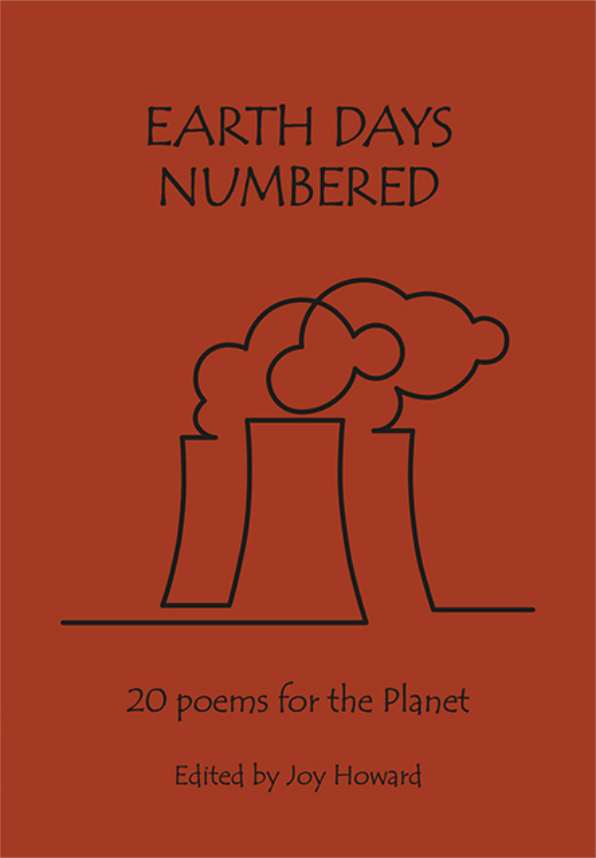
I am very pleased to have a poem in this pamphlet which, along with its companion Counting Down the Days, has just been published by Grey Hen Press. Joy Howard, the editor, has done a great job of producing these two anthologies: allowing older women poets to show their support for the younger generation.
All proceeds from the sales of the two books will go to supporting the work of the UK Youth Climate Coalition. Below is my poem to give you a taster.
Paternoster
Some survivors live on the edge in cars, dented, rusted ridges, blown tyres, a towel drying on the steering wheel. Much of life now is waiting and standing in line, but Paternoster tells us it was often so in the Old Life.
Strong men searched among the rubble, found saucepans, leather boots, shoulder bags. Once a black wooden box called Schimmel which Paternoster says means white horse. Papaver grows inside that piano now.
Horses stand by the narrow river, kick sand. One brown mare is with foal. Our Friesian cows give us white gold most days. We are waiting for rain, for a sign. Men play a game of stone, paper, scissors.
I stroke the flute I made from bone. I must be careful not to dream. We trained the rats to smell landmines. Paternoster remembers grapefruit, a bitter yellow ball, the colour of sun.
Cruise liners were parked at sea last year. I could see them from the beach at Scheveningen. And a travel company did send me an offer I could refuse…
It was a different story on 3rd of July 2012, when P&O celebrated its 175-year anniversary: for the first time ever its seven passenger ships were in port together. An ex-P&O friend of mine was there taking pictures. Here is the flotilla leaving Southampton.
The offer of a £150 reduction comes on heavy white paper
SS Zeus floats downstream on the Danube. Elderly passengers, each with their own balcony. A decade on, scale models the colour of gold are on display in suburban charity shops where other old hands fumble, hand over coins with the monarch’s head.
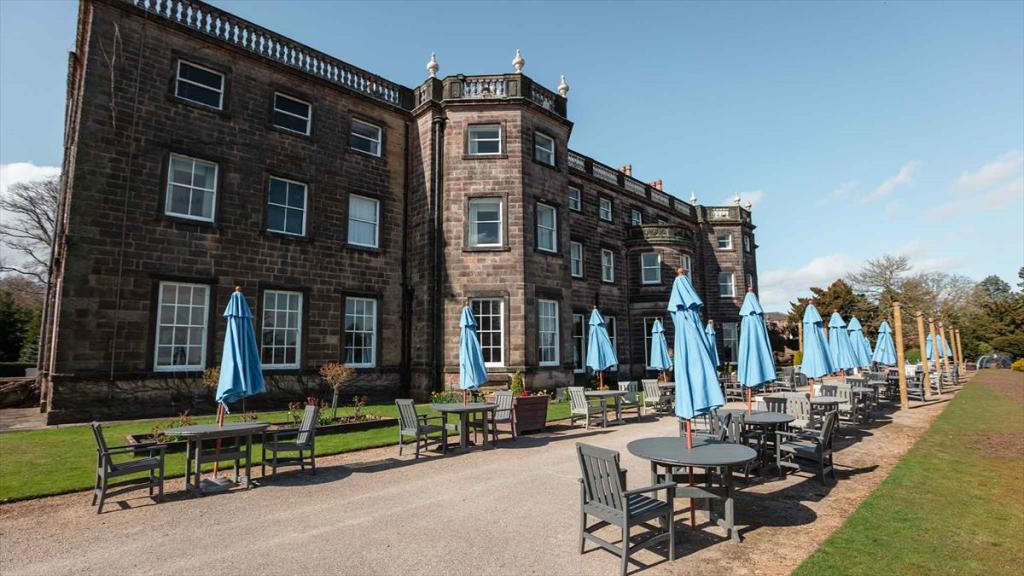
I’m away this weekend on a reunion, staying at Nidd Hall Hotel, near Harrogate. Nidd Hall is a Grade II listed building with large gardens and a fishing lake. Many years ago, I went on a daytrip to the fabulous Turkish Baths in Harrogate. Dating back to 1897, it is full working order and historically complete: islamic arches, tiled brickwork, terrazzo flooring.
That outing was organised by Spice UK where Spice stands for ‘Special Programme of Interest, Challenge and Excitement’. Spice was started in the ‘80s on a part-time basis by Dave Smith, a police officer who held a sky-diving qualification. It grew into a national franchise organisation and still exists.
New to Manchester, I met lots of people at the social events, made friends and tried things I wouldn’t have done otherwise: abseiling, rock climbing, motorcycling, Formula Ford at Aintree. Here is a poem about one of those events. It’s from my first collection Another life. I hope you’re having a good weekend yourself!
Nicolae Baltatescu, via Pixabay
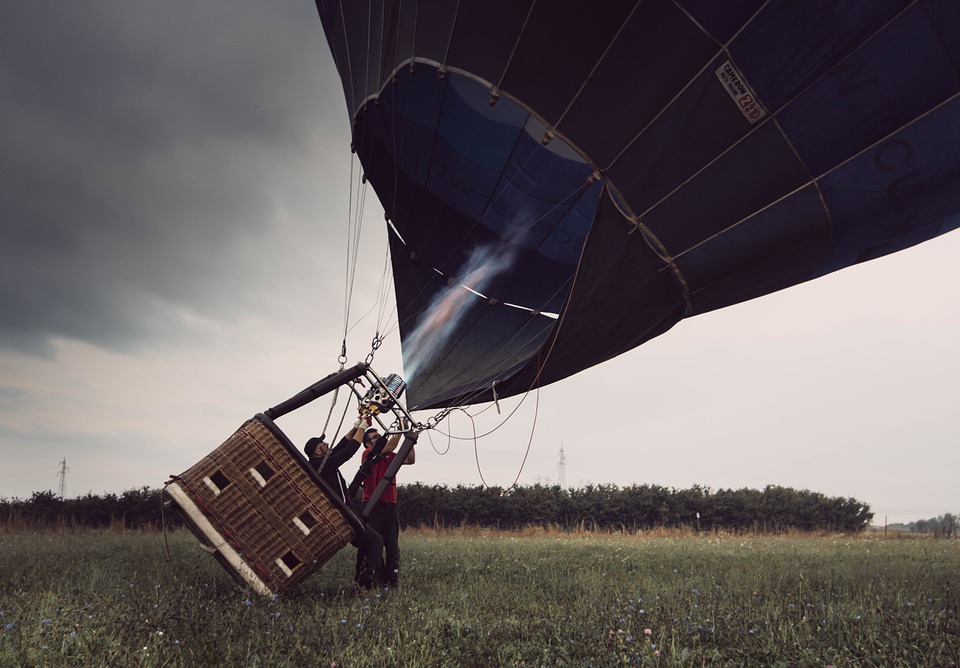
From Grassington, June for Dave Smith
We had been following the Roman road: Rita who was almost 80, her bearded son, clutching champagne, the pale daughter-in-law, and me still gripping the metal frame.
Our shadow floated ahead of us, scaring sheep and deer into running towards the orange early evening. The only sound creaking wicker and the hissing of gas
We ducked as we rushed over telephone lines, fences, tree tops. The Land Rover – still keeping up – with the bottle of whisky to placate the farmer on whose field we hoped to land.
It’s only days since I returned to Manchester and I’m slowly getting back into the English language. It has been a great pleasure to feature poems here this year by my friend Kathleen Kummer. I hope you enjoy this one.
A walk in summer in Holland
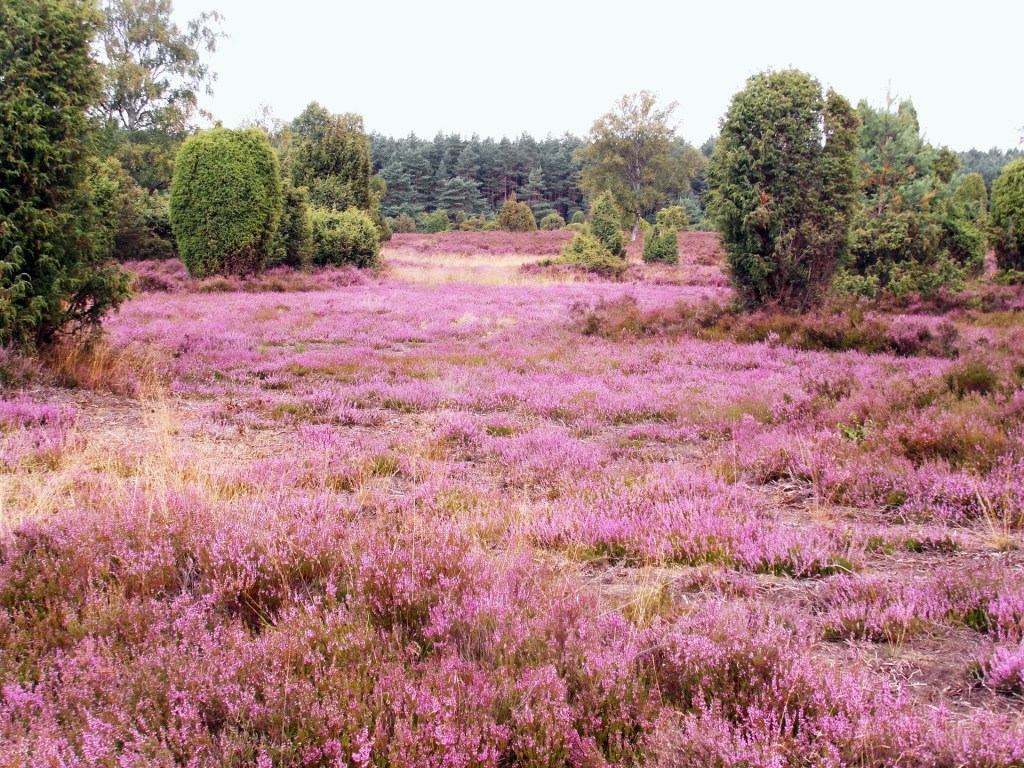
No ditch, no canal, no river here, no heron to remind me, as always, of Gandhi, hunched up, as it studies the text of the water. This landscape, the heat at Blaricum, its sandy paths moist from yesterday’s rain, never seem to be still. It moves with a gentle, rocking rhythm. The mass of heather, shrubs and trees, the tipsy ladders of vapour the jets leave behind like litter, the cirrus snagged on the sky, the flock of sheep, horned flecked with brown, expertly nibbling between each dainty, filigree sprig – all of these frolic round us: moving pictures on a frieze like those in a child’s bedroom.
An illusion? Call van Gogh as a witness. His olive groves writhe, his crops are waves, cypresses rock on an ocean of fields or boil with the stars in a fiery furnace. But here, there is no such fever. Under the huge Dutch sky, we are cradled, rocked on a warm bed of purple heather.
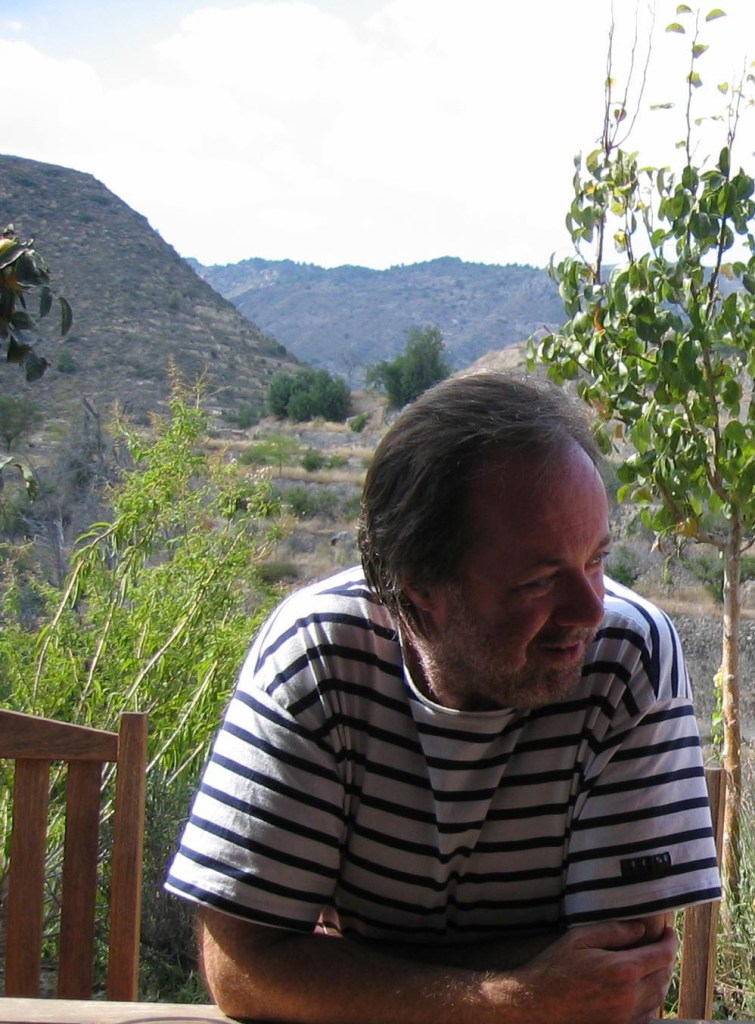
It is three years since the poet Matthew Sweeney died. I was fortunate of having a whole week with him at the wonderful Almassera Vella, Spain in 2006. I learned a great deal. The photo was taken in the garden by the infinity pool.
One of my favourite books about writing is Teach Yourself Writing Poetry. It was written by Matthew and his friend and poet John Hartley Williams. It is packed with exercises, and I love the book because in between the exercises there is dialogue, chat, discussion. I can hear their voices as they talk (I’m sure over a glass of wine). Wit and poignancy.
Prompt:
The Hermit was written on a workshop. We were given Sweeney’s poem The Shoplifter and asked to think about someone with an unusual occupation and what life would be like for them when they retired. Both the shoplifter and hermit now live by the sea. Sweeney’s shoplifter has ‘fronds of marijuana’ outside, has ‘learned the use of coins’ and has a use for all those books:
His books come in useful now as each time he has shinned
with an aerial up the chimney Viking wind has ripped it down.
The Hermit
The hermit had to be retired for health and safety reasons.
He was flown out of the desert, given a dictionary and glasses.
He is renting an old longhouse, leaves doors and windows open
so he can smell the cool air, but still he cannot sleep.
The postman was his first visitor. Mail lies piled up by the gate.
The grains of sand on the beach make him feel homesick even now.
By the light of a candle he may be able to look in the mirror, but not yet.
(first published in Another life, Oversteps Books, 2016)
Matthew Paul is one of a small number of poets who write both haiku and longer poems. A selection of the latter was featured here on 5 July 2020.
On Lammas Day here is his selection from The Lammas Lands, beautifully produced by Snapshot Press, followed by his thoughts on writing both haiku and longer poems. I relate to the bugbear he mentions!
The Lammas Lands
first in the office my whistling echoes up the stairwell
onto my fingers the rust of the farmyard gate
school’s out the riverbank flush with tansy florets
the last sun across the lammas lands perennial asters
cobweb morning the merest outline of ship funnels
two years old she grasps with both hands the autumn wind
through an angler’s pipe-smoke rising jays
touch of sleet— making space for the guide dog
white skies a hare skedaddles over Wealden clay
*
I discovered haiku at the age of 15 or 16, firstly through an English teacher at school and then by reading The Dharma Bums, Desolation Angels and The Penguin Book of Japanese Verse. I tried writing them shortly afterwards, at pretty much the same time I started writing longer poems. I’ve written both fairly regularly since then, though I went through a long period – from 1990, when the British Haiku Society was founded, until 2010 – in which I concentrated more on haiku. In the last 10 years, my focus, as a writer – as opposed to editor or reviewer – has been much more on longer poems.
For me, the engagement needed for one is rather different to the other. Being able to write effective and affective haiku stems from being in the moment, using all your senses to pick up on what you’re experiencing and finding a charge between two different objects/elements which you are perceiving at the same time. ‘Desk’ haiku are almost always obvious and lacking the spark born from real sensory experience.
Longer poems can, of course, also have content born of, or responding to, ‘the moment’ and can therefore be haiku-esque in how they treat their subject-matter – Imagism was often like that, and haiku itself was born from longer forms. But longer poems for me have much more space and freedom to move back and forth through time and, if necessary, tell a story, whereas haiku can’t do that in any meaningful way because of their intrinsic brevity.
My longer poems are probably more likely to be mini-stories than those of most poets precisely because of the freedom they afford which isn’t available within the form of the haiku. (I should add that achieving any consensus among English-language haiku poets about the essential qualities of haiku has repeatedly been proven to be impossible!)
One of my bugbears is that longer-form poets often use what they think of as haiku as a means simply to sharpen their powers of perception, as if it’s child’s play. Whilst that may well work for some people, I feel that approach rather misses the point of haiku. Like any art form, it takes a long time to become adept at it, albeit that an ‘apprentice’ haiku poet can have a freshness of perception which is often labelled “beginner’s mind”.
On the whole, though, I find it annoying when poets put their first, usually clunky attempts at haiku out on social media or, worse still, into print. Haiku in English do not have to be – though they can – be written as three lines of five-seven-five syllables. It’s common sense, isn’t it, that the essence and power of haiku aren’t derived from syllable-counting, but from direct, lived experience. Like many haiku poets, I have reservations about even calling my haiku ‘haiku’, because the original Japanese art-form is so freighted with Japanese culture and history – and translators from the Japanese into English invariably repeat the mistakes of previous translators!







 Acacia Publications