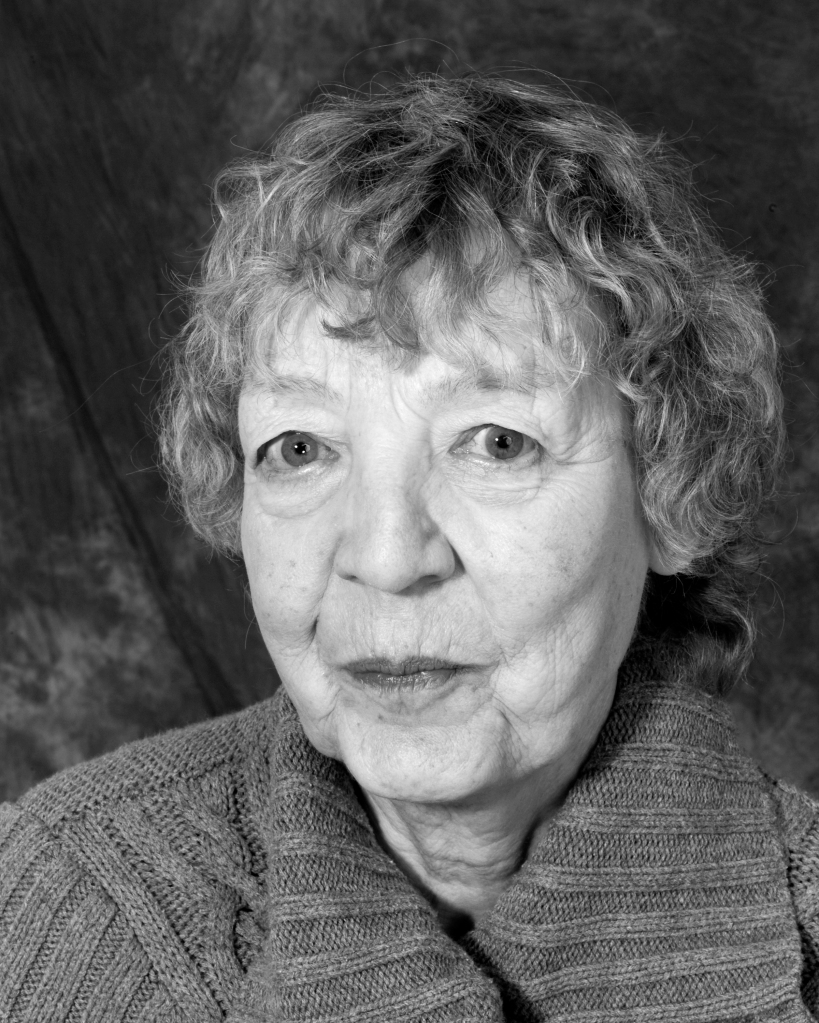
I am delighted to introduce this month’s poet: Jean Stevens. We have met several times over the last two years on writing workshops – all on Zoom.
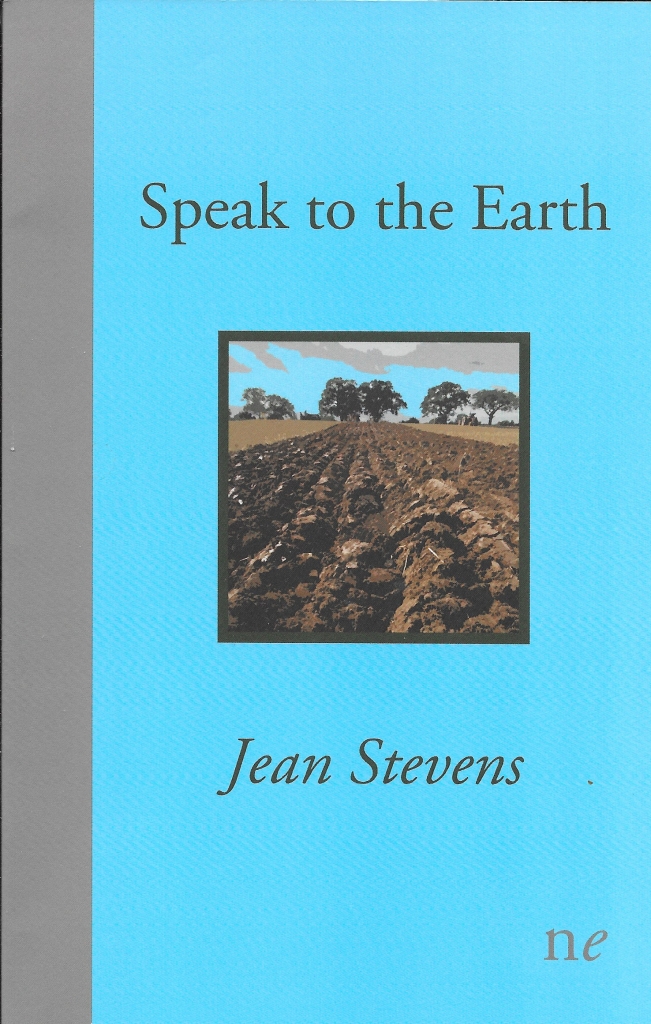
Jean Stevens’ poems have been widely published in magazines and newspapers and broadcast on BBC Radio 3 and Radio 4. She is a past winner of Leeds Libraries Writing Prize and was shortlisted for the Bridport Prize in 2020. Her most recent poetry collections are Speak to the Earth (Naked Eye 2019) and Nothing But Words (Naked Eye 2020). Her forthcoming collection Always Too Many Miles will be published in 1922, also by Naked Eye.
Jean has worked as a professional actress and dramatist and her stand-up comedy script won the Polo Prize at London’s Comedy Store.
The collection Speak to the Earth is in five sections and I have chosen one poem from each.
Night safari
At the Singapore Night Safari, animals roam freely in moonlight
in environments replicating their lives in the wild. Visitors and animals
are separated only by the slimmest of man-made divides.
I walked the rainforest’s moonlit trail
and found myself among leopards.
They were lean, honed by hunting
and hunger and, as flesh and muscle
ebbed and flowed, I saw
down to the beat of blood
and the almost liquid bone.
Their skin was a print of their own
dark paws walking on sand,
their flanks were brandy and treacle,
brown ale held to the light.
I knelt by the narrow divide
and a leopard lay opposite,
mirrored light in his midnight eyes.
He didn’t blink and I was held
till he stretched and showed his claws.
I turned to the man who stood next to me.
We’re nothing he said.
Hefted
Hefted : accustomed and attached to an area of upland pasture.
It’s cloistered in the depths of the valley
inside this old house, where cellos
have left echoes in the stone,
poets’ words are carved in the beams,
and the bones of cattle lie under slate
but one day I will follow the hefted sheep
out of here through clear northern light
to climb the far hills and beyond to where
there are no buildings, no roads, no noise
except the battering of the wind.
Drama school
Drama schools are fond of sending students
to the zoo to study the behaviour of beasts.
It’s what people laugh at when they speak about
the ‘luvvies’: be a cat, be a dog, be a bloody giraffe.
But look, Lear’s on his knees and clawing Cordelia.
His hands are paws and he’s mauling her body
round the stage, frantic to revive her.
He’s done the mad scene in the storm
railed against every roof
cried: Never, never, never, never, never.
Now he makes us see what we all are
at heart: animals learning to grieve.
Gagudju man
Remembering Bill Neidjie (‘I’m telling you this while you’ve got time’)
This was the man who shared
the long-held secrets of his world.
I met him in Alice Springs, sat with him
in the aboriginal silence, knowing
his closeness to every living thing.
He felt trees in his body,
their trunks and leaves pumping water
as human hearts pump blood,
thought that no matter what kind –
kangaroo, eagle, echidna –
animals pulse in our flesh,
said, if you harm what is sacred,
you might get a cyclone or flood,
or kill someone in another place,
told us we must hang on to the land,
the trees, the soil, because of the day
when we become the earth.
Waking
I wake to bed linen strewn
around like manic laundry
and can’t get out of my head
the creatures I dreamt of
who eat only fruit and leaves
and gaze at the beings
who hack down trees, ravage
land, sea and air, blast their kind
off the earth, and bring silence,
the silence of the animals.
On my way to meet the morning
I’m desperate to hear the bleating
of sheep, the trill of blackbirds,
a dog barking after a stick,
but nothing moves, nothing speaks.


 Acacia Publications